
 Featured
Neutral Facial Expression: Relax, Don’t Pose
Make a comfortable reference for a practical decision without treating your everyday smile as a problem.
The MogRise blog
Clear answers about PSL scale, FaceScore, glow up planning, grooming, style and responsible AI face analysis.
FeaturedMake a comfortable reference for a practical decision without treating your everyday smile as a problem.
 Featured
Check the band, normal movement and the clothes you will actually wear before choosing another collar shape.
 Featured
Describe the visible opening before choosing a label, a frame or another appearance check.
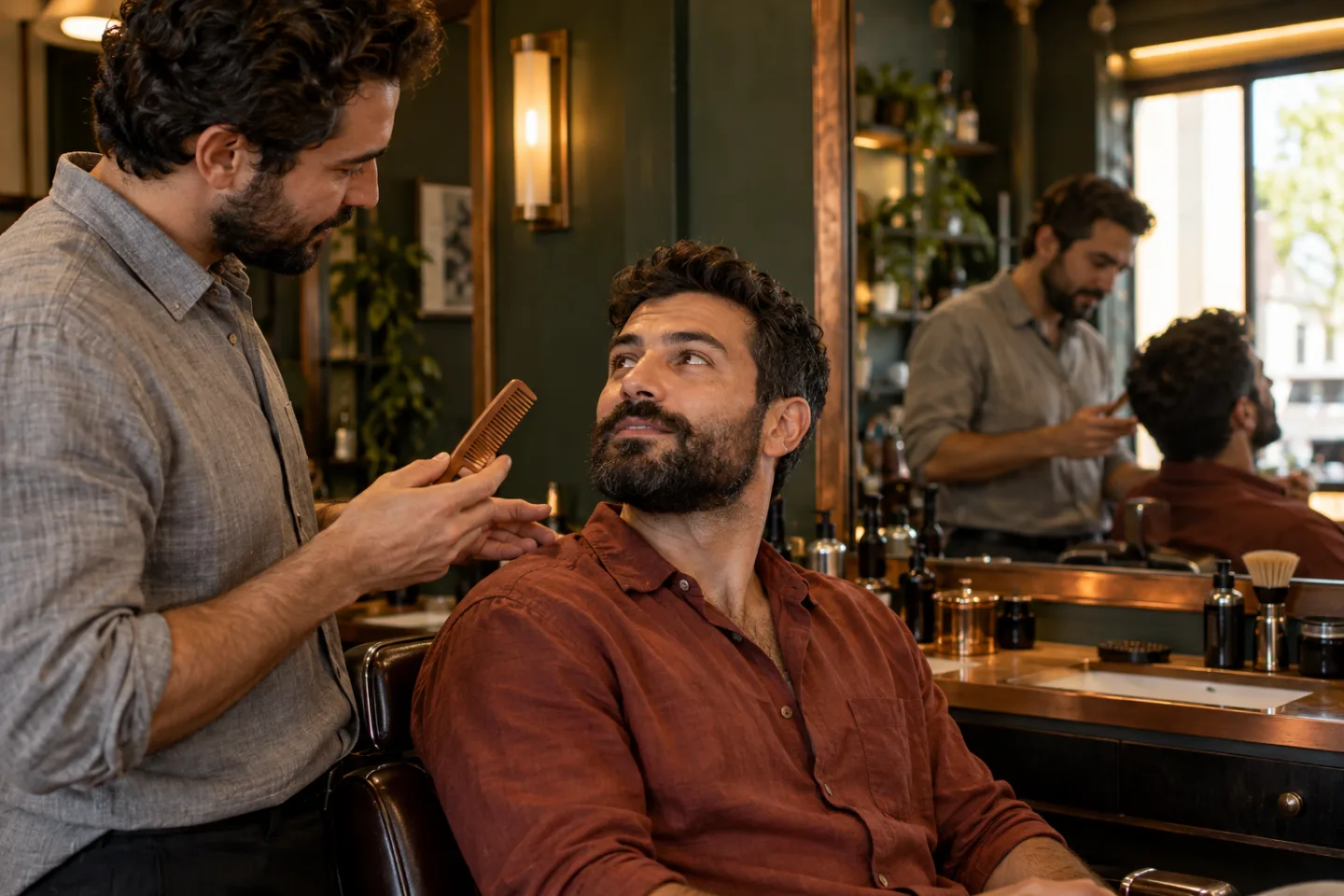
Choose what to preserve before removing anything: a natural upper boundary, a small cleanup or a barber-defined outline.

Separate the surface you see from its hair boundary before turning a forehead observation into a styling decision.
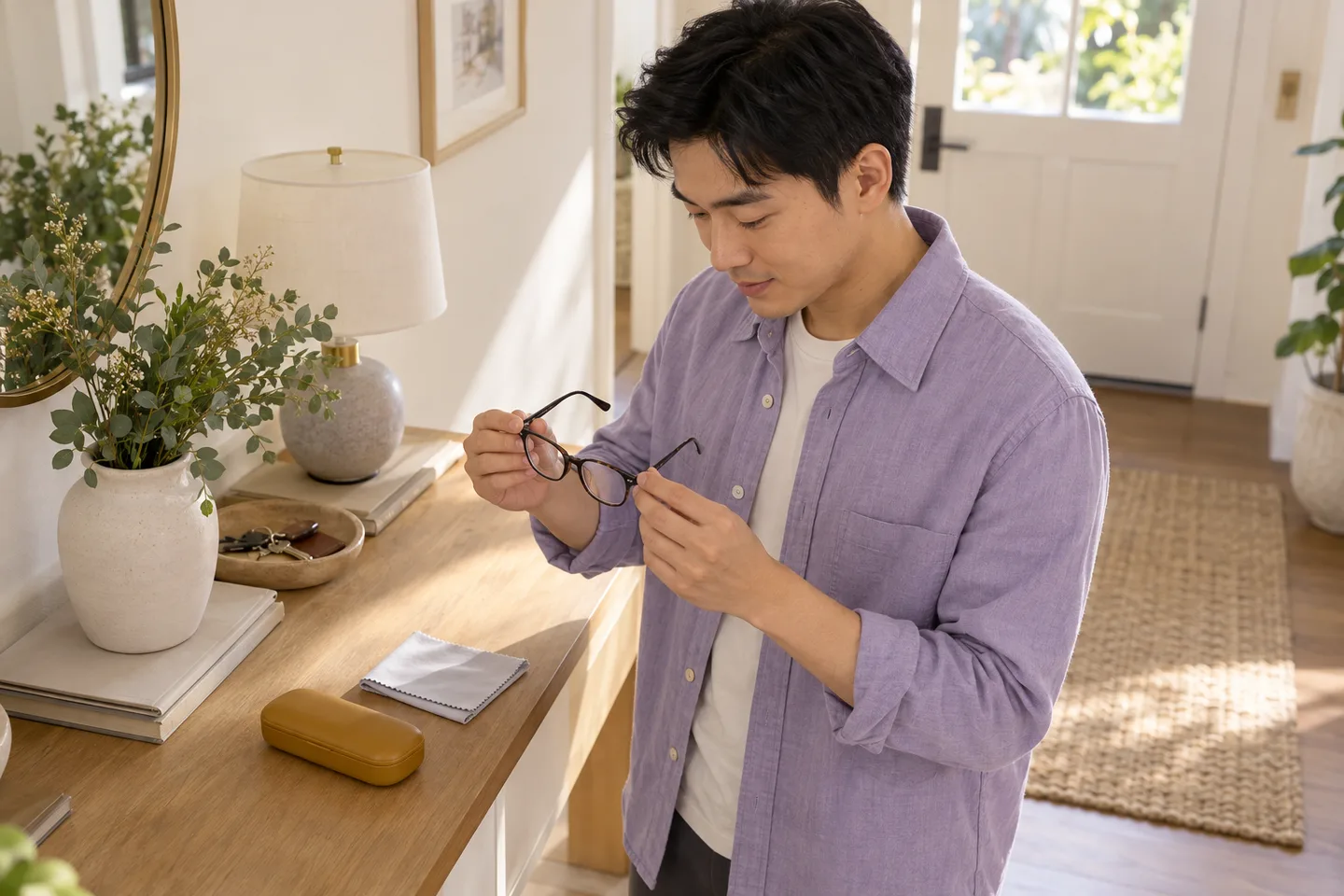
A practical routine for the pair you already wear: check compatibility, remove loose dirt and keep the cleaning cloth clean.

Name the feature you actually notice before deciding whether a brush, a grooming conversation or no change would help.

An ordinary snag calls for a smaller section, not a stronger stroke. Build a comfortable routine around your actual hair and know when to pause.

A camera is an input, not a purpose. Choose between locating a face, matching an identity and planning a small appearance decision.

A practical routine for an ordinary manual cartridge razor: identify the tool, handle it carefully and plan where it goes after use.

Separate the outline you see from size and distance from the head, then decide whether there is any practical styling question to answer.
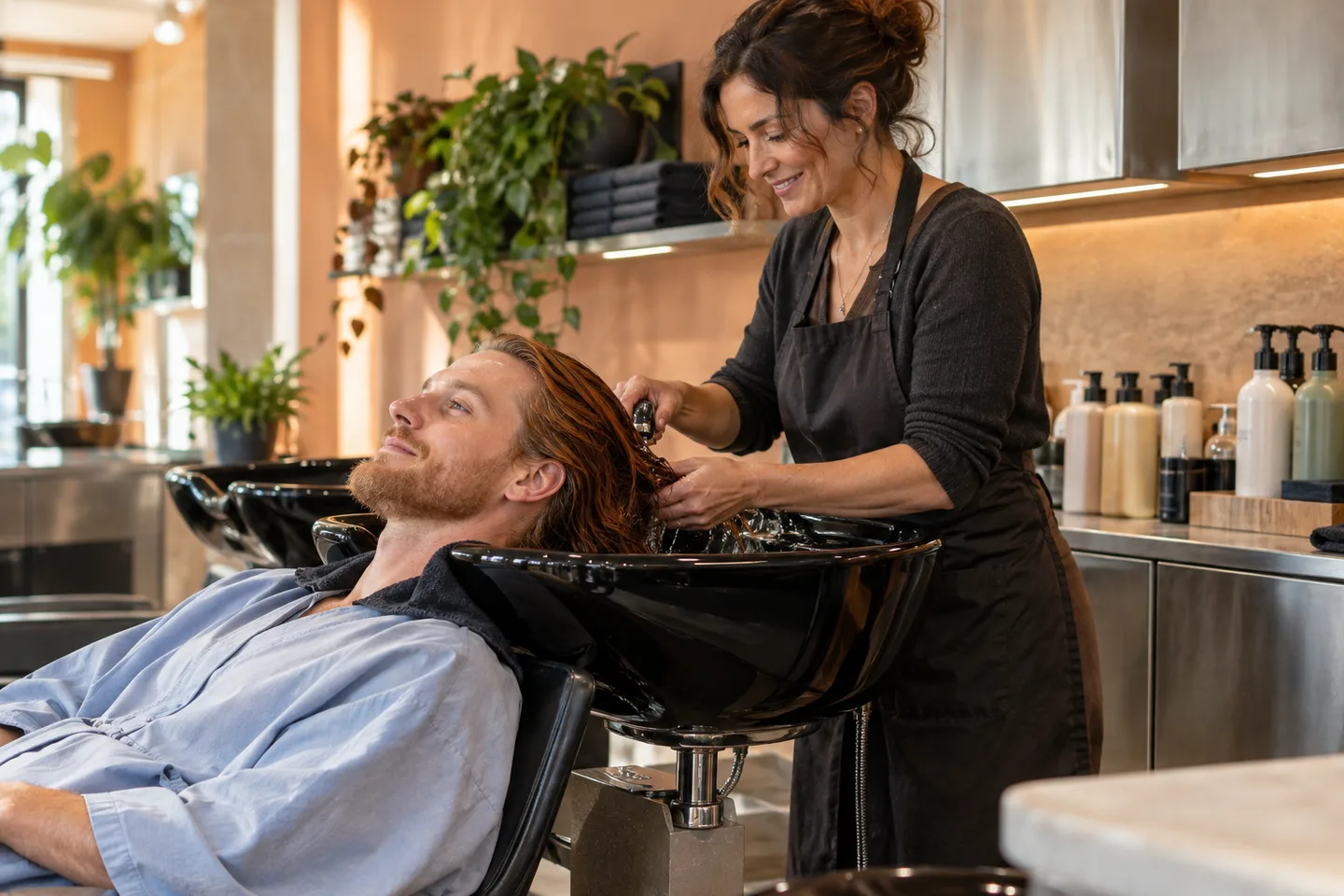
Match rinse-out care to the hair you have. Separate placement, amount and rinsing before adding another product to your routine.

Separate the visible border from fullness and expression. A useful description can support a small everyday choice without demanding a perfect lip type.
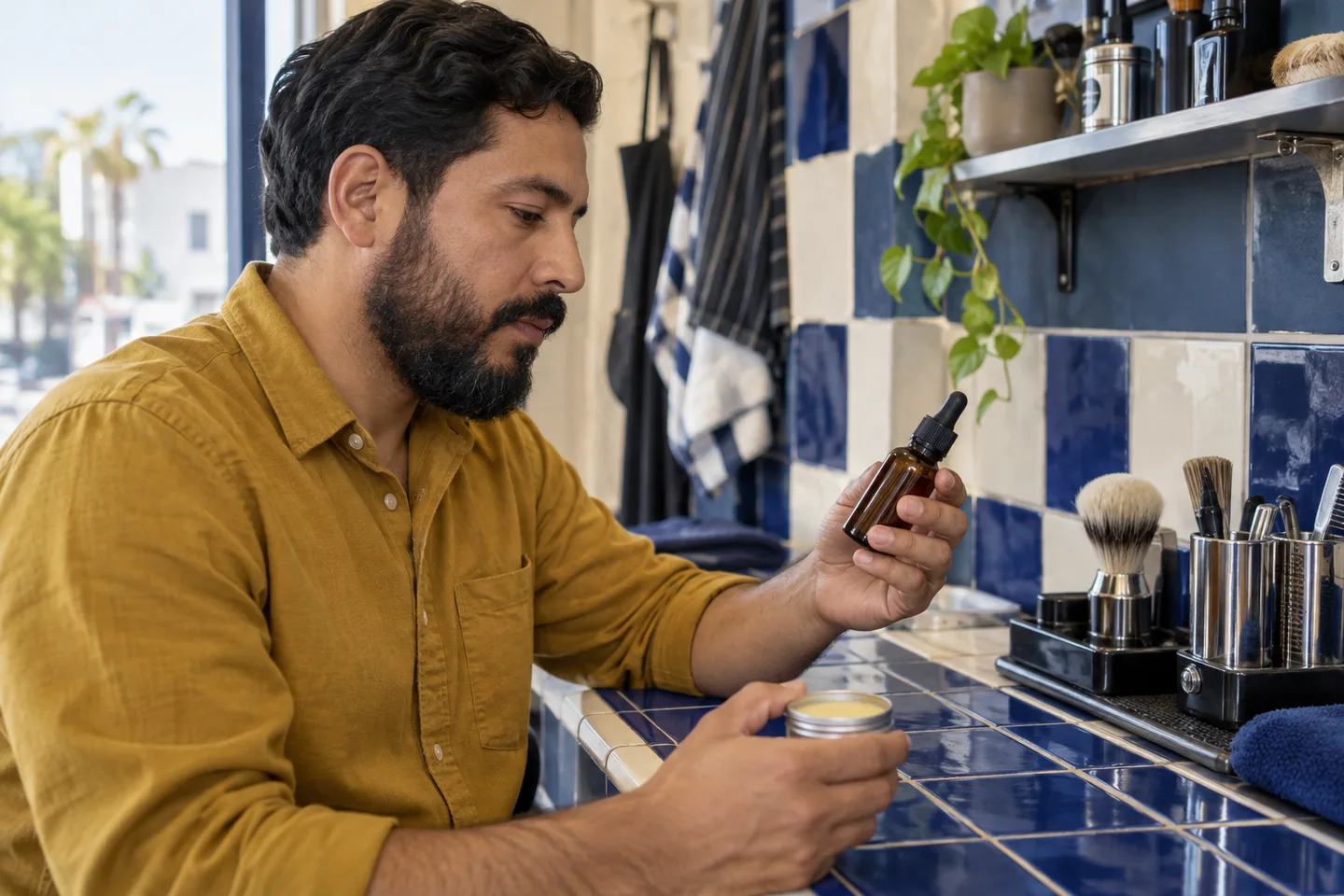
Choose for the job your beard actually needs. Read the formula's purpose, try a modest amount and keep the routine comfortable.

Separate a softly curved outline from vertical emphasis. Use a clear observation for one practical styling choice, not a label you have to prove.

Remove excess water with a small, comfortable routine. Choose a usable cloth, avoid pulling and leave the finish to your hair's ordinary texture.

Separate the bridge, tip and base before interpreting a photo. Use an explained observation for one practical choice, not an ideal ratio or a smaller-nose promise.

Choose a comfortable balm, make care easy to remember and leave flaky skin alone. A practical routine without scrubs, rankings or shape-changing promises.

Choose a beginner-friendly face-analysis workflow, understand its limits, and finish your first session with one useful decision rather than another score.

Separate the upper-lid fold from the impression of eye depth, then decide whether you need any styling change at all.
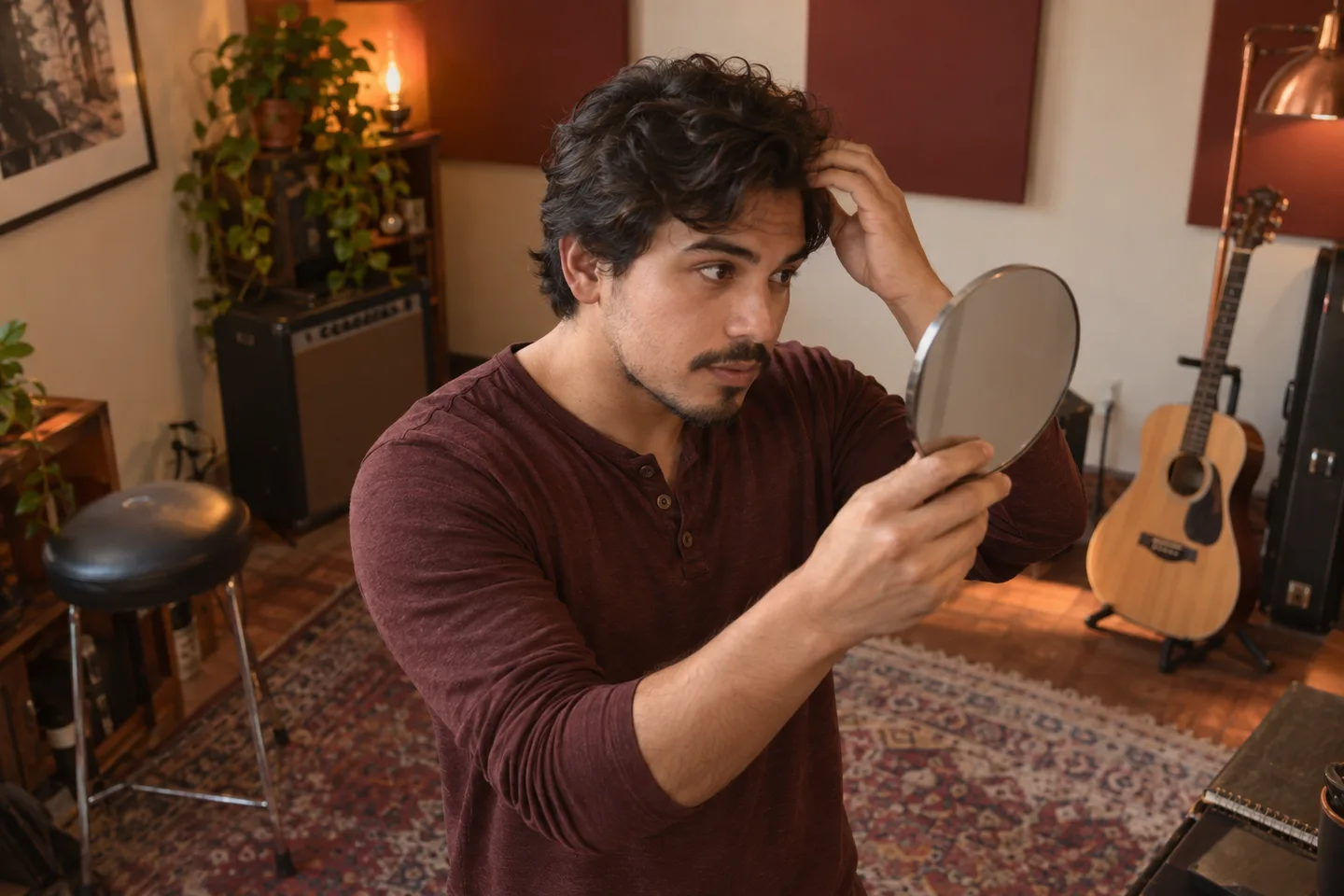
Choose a small styling test for the stubborn front or crown section, then ask for a haircut that respects how your hair actually falls.

Read the visible outline below your mouth without confusing a shape label with projection, a diagnosis or an attractiveness score.

Compare comfort, the work you can maintain and your own preference, using ordinary photos and a small, realistic plan.

Understand the nose-to-lip region without turning a selfie, a ratio or a longer-looking gap into a verdict.

Choose a realistic upper-lip frame from your actual growth, everyday comfort and willingness to maintain it.

Understand the corner of the lower jaw without mistaking a visible outline for a clinical measurement or a beauty target.
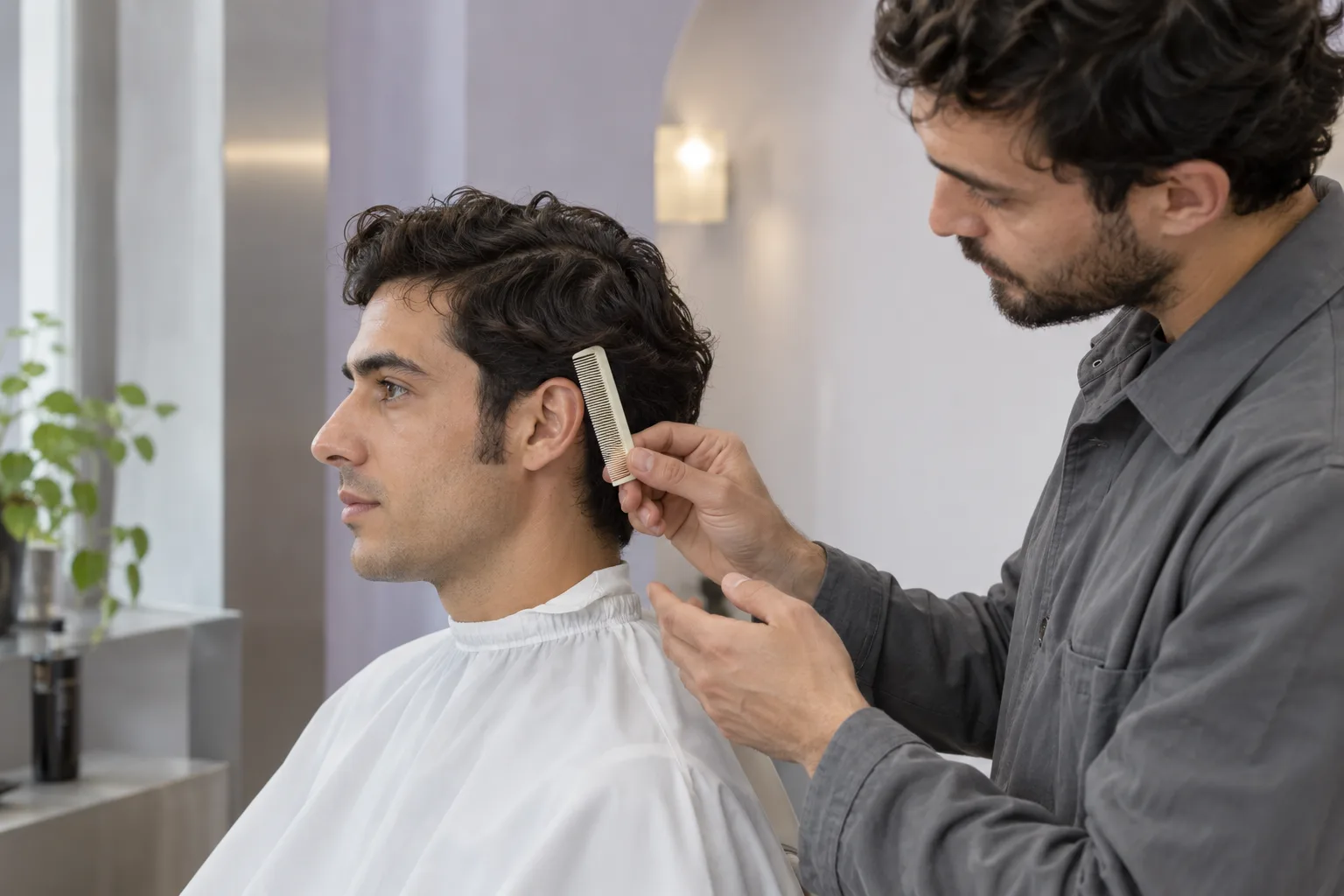
Choose the endpoint, bulk and beard connection separately, then make one cautious change you can explain to your barber.

Separate apparent height, width and prominence, then use the observation for a small styling decision rather than a beauty verdict.

Separate surface shine, sweat and camera reflections, then choose one useful change that fits your ordinary day.

Understand what the gap describes, which landmarks you are comparing and why a drawing convention is not a target for your face.

Choose the opening that sits comfortably and works with your clothes. A fair photo comparison is more useful than a rule about round or long faces.

A side view shows how the nose, lips and chin relate, but a close selfie can rewrite that story. Read the whole profile before choosing any action.
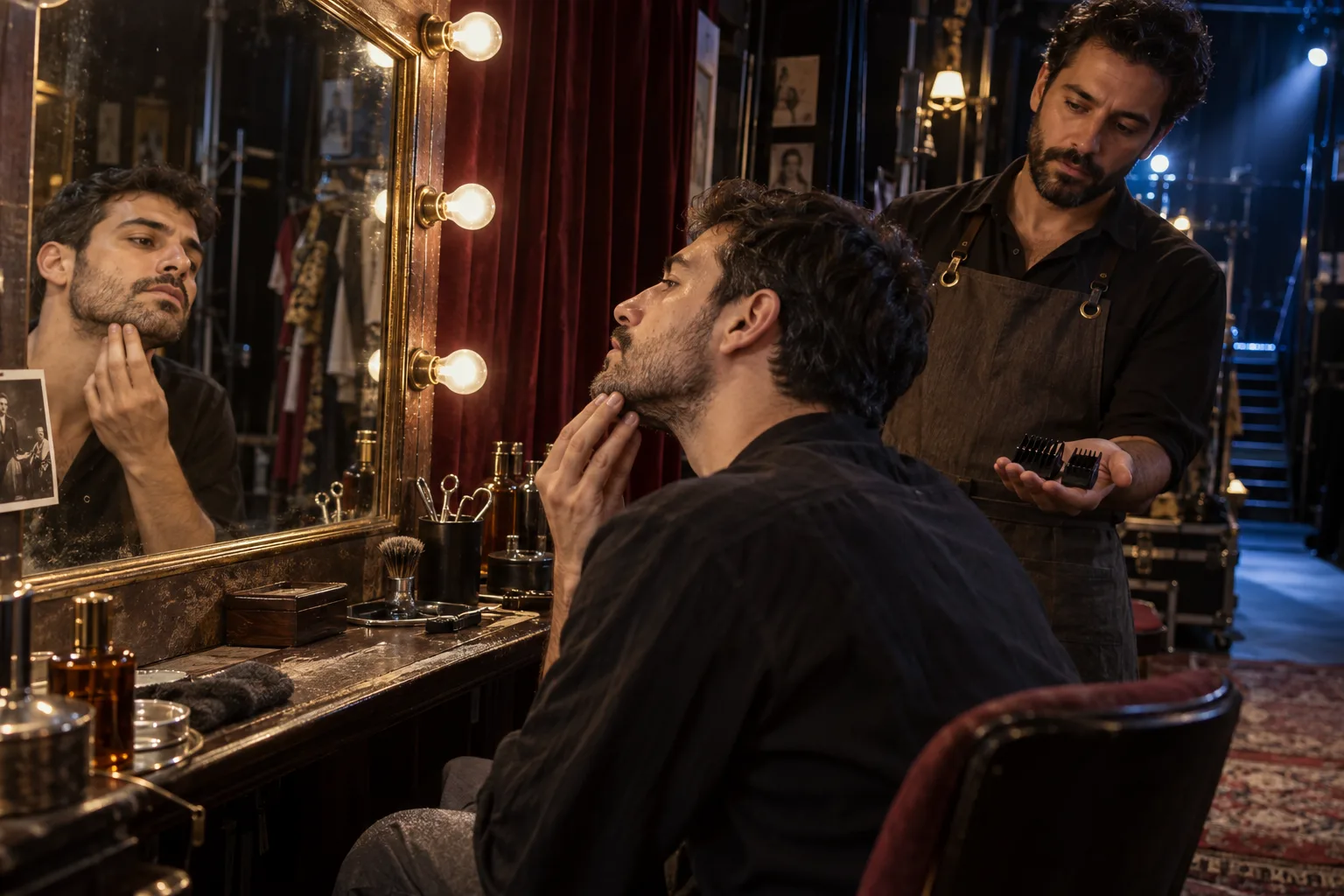
One millimeter shows a shadow, three creates clear stubble, and five approaches a short beard. Compare them on your own growth and routine.

The line between your inner and outer eye corners is descriptive, not a beauty grade. Learn how to see it without overreading a photo.

The easiest cut is the one that works with your hair, your morning and the time between appointments—not simply the shortest cut in a photo.

Facial contrast describes how clearly features stand out from nearby skin. Learn to observe it in fair light and make reversible style choices without turning a visual cue into a score.

The better part is the one your growth pattern, length and face framing can support without a daily fight. Run this two-style test before you cut.

Chewing can train function, but that is not the same as reshaping your jaw. Here is what the best direct evidence shows and where to stop.

fWHR describes width relative to one defined upper-face height. Use a controlled photo, name the landmarks and keep the result in context.

Daily shampoo can suit an oily scalp, while dry or curly hair may need more space. Build a schedule from real signals, not a fixed rule.

See what the three vertical face zones can describe, where photographs mislead, and which styling choices are actually reversible.

Mirror, selfie and portrait differ. Separate reversal from perspective and light.
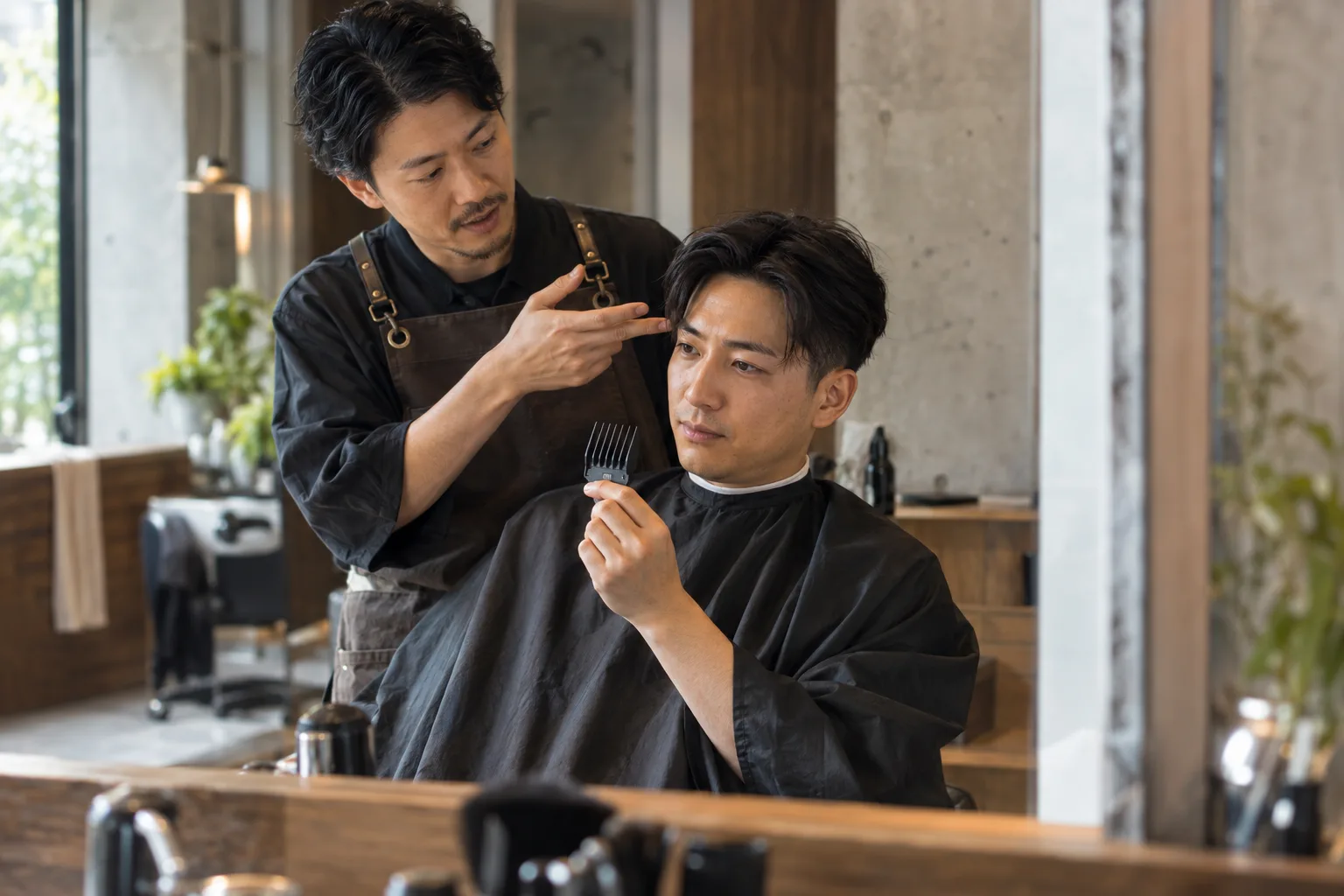
A buzz cut can be a strong, simple choice. Check the hairline, scalp, length and upkeep you actually want before choosing a guard.

Choose by hold, finish, hair behavior and the style you can actually maintain—not by the loudest label on the jar.

A face score can organize observations about a photograph. It cannot certify attractiveness. Here is a safer way to decide what, if anything, to change.

Read two views for different questions, make a fair photo pair and turn the observations into one reversible decision.

Compare short stubble, a focused mustache-and-chin shape and a clean shave against your actual growth, comfort and upkeep.

Build freshness from clean skin, dry clothes and the right underarm product, then add fragrance lightly instead of trying to cover the day with scent.

Lock the camera, light and expression, track one controllable change, and review on a useful schedule instead of turning every selfie into a verdict.

Choose broad-spectrum SPF 30 or higher, match the texture to your skin and routine, then apply enough to every exposed area without turning mornings into a product experiment.

Use nine concrete checks to understand permissions, photo processing, retention and deletion before sending front and profile portraits to an appearance app.
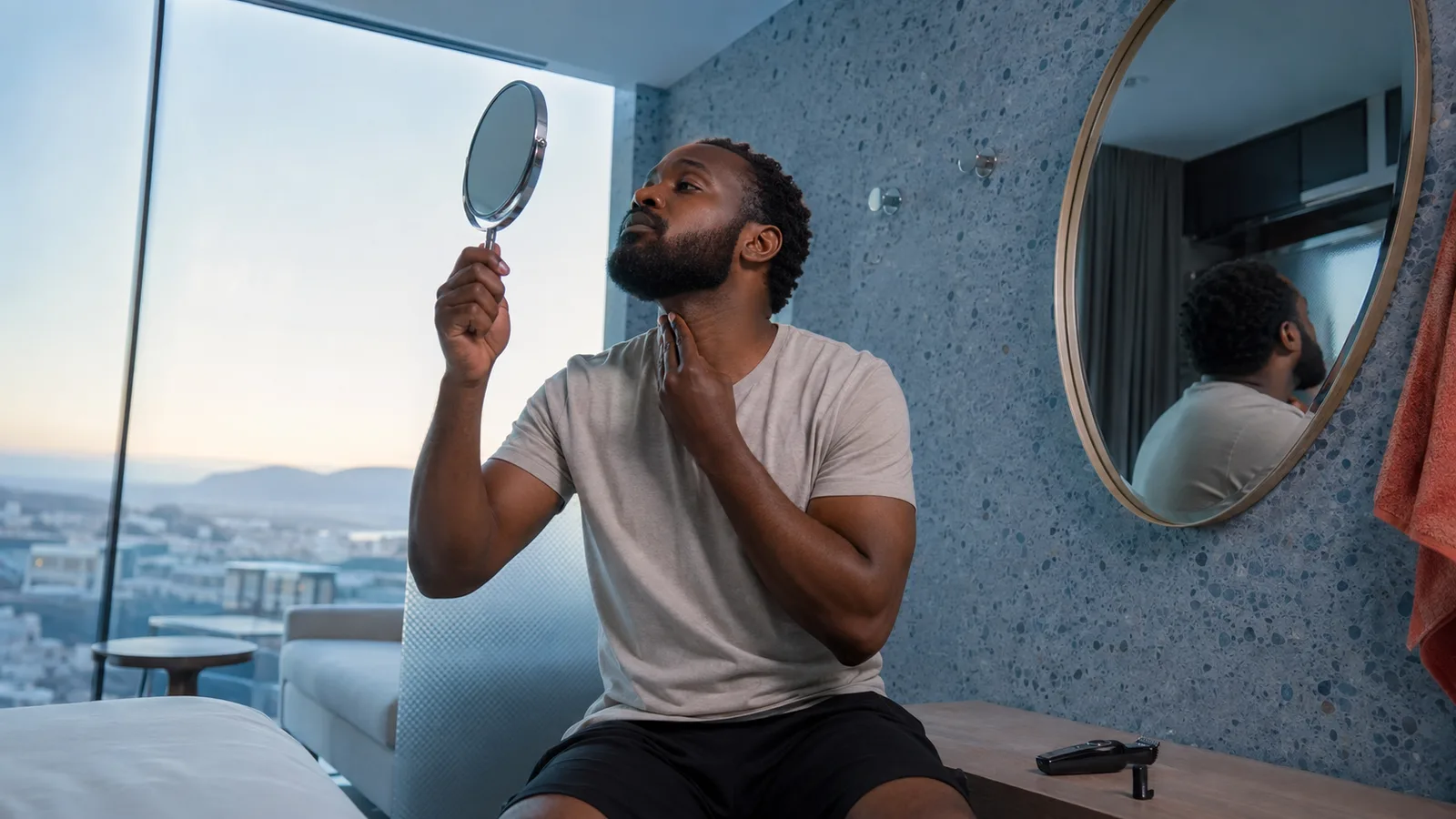
Set the line on the neck, preserve support under the jaw and remove hair gradually so one uncertain pass does not turn into a neckline that is too high.
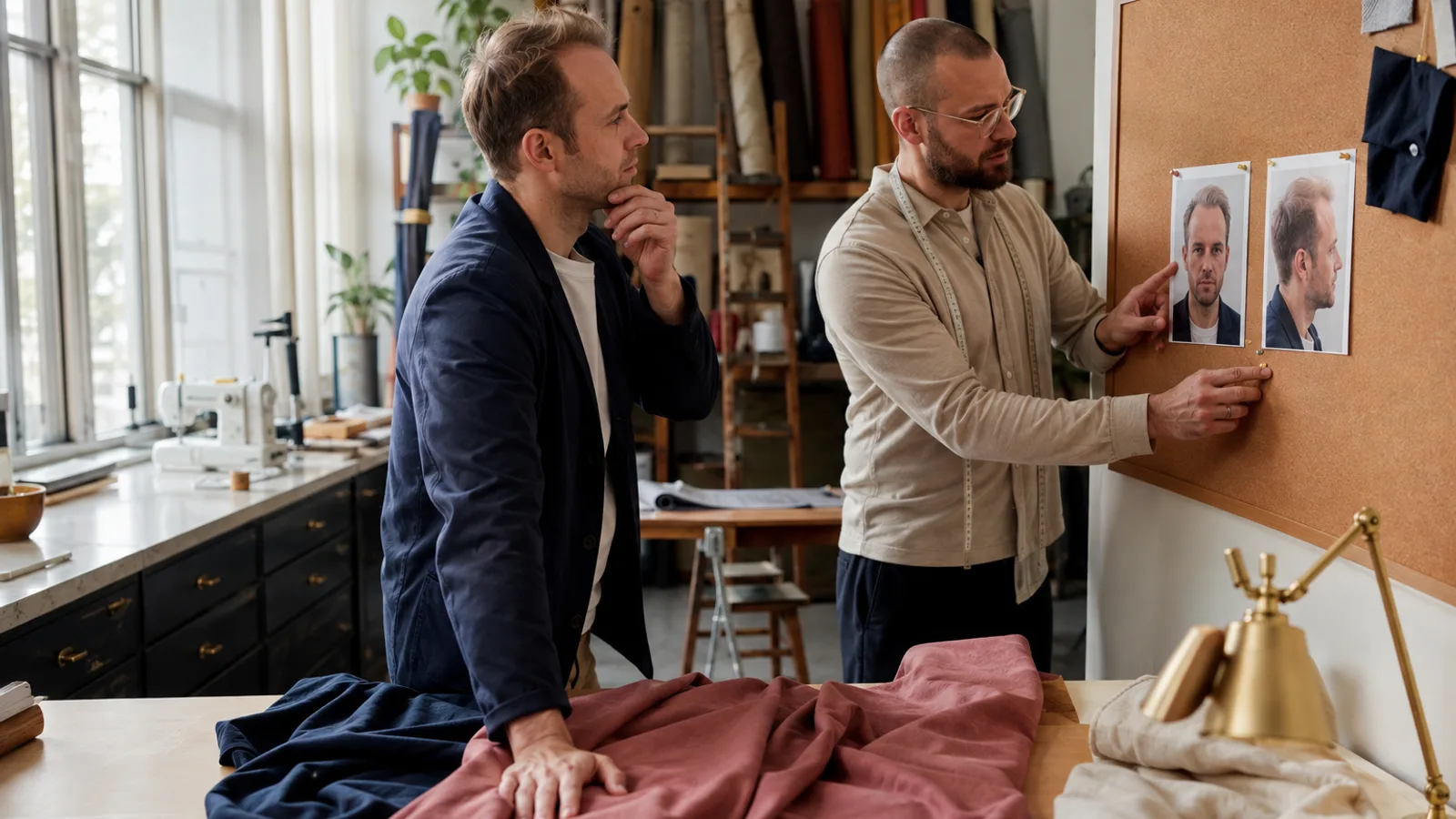
Choose a cut from your real density, growth direction and maintenance tolerance, then test the idea with consistent photos before asking a barber for a reversible first step.
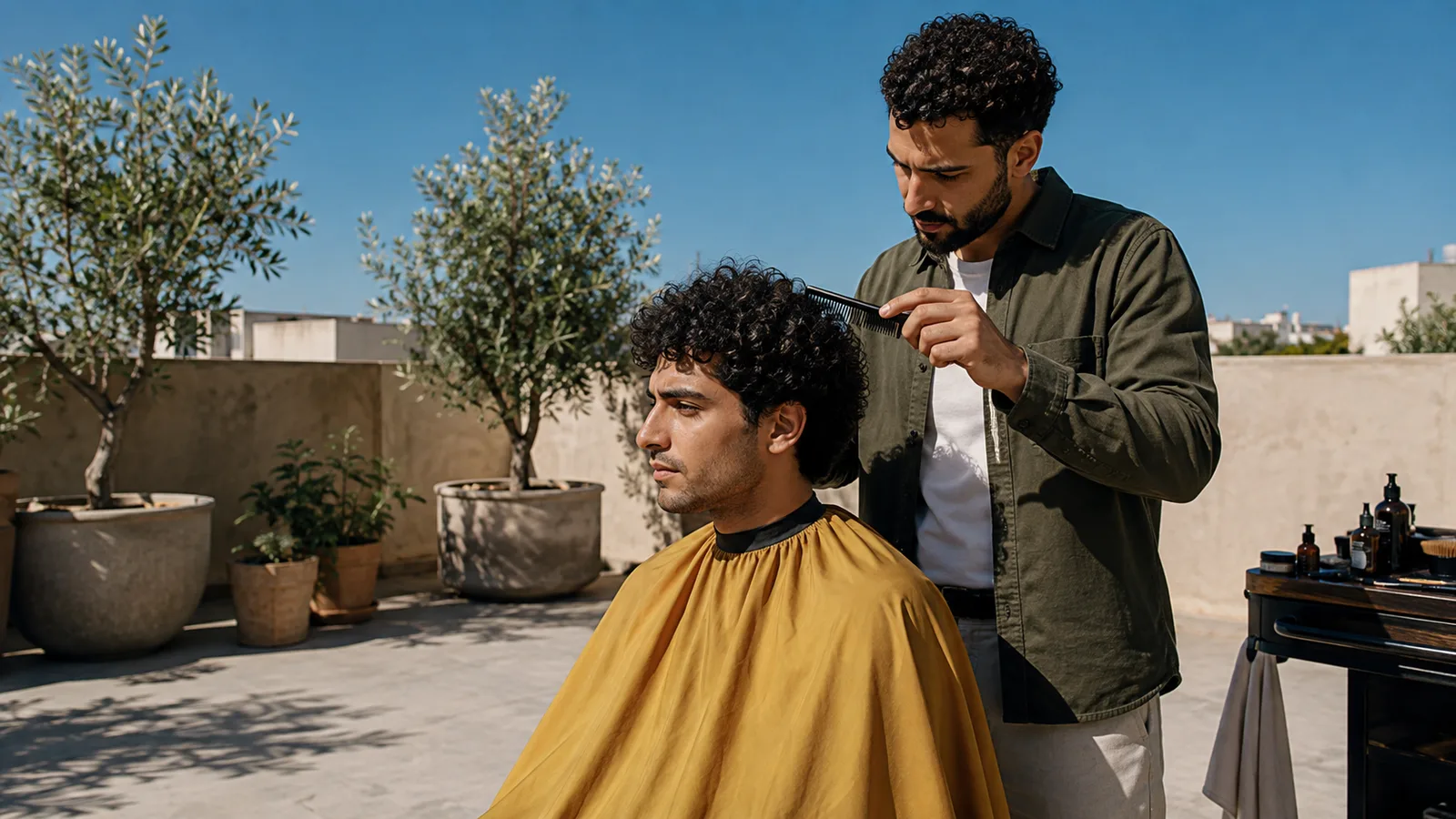
Use the shape of your cut, your texture, budget and tolerance for grow-out to choose a repeatable barber schedule instead of copying one universal rule.

Do not rebuild everything at once. Compare what is visible, controllable and maintainable, then test one reversible change before adding another.
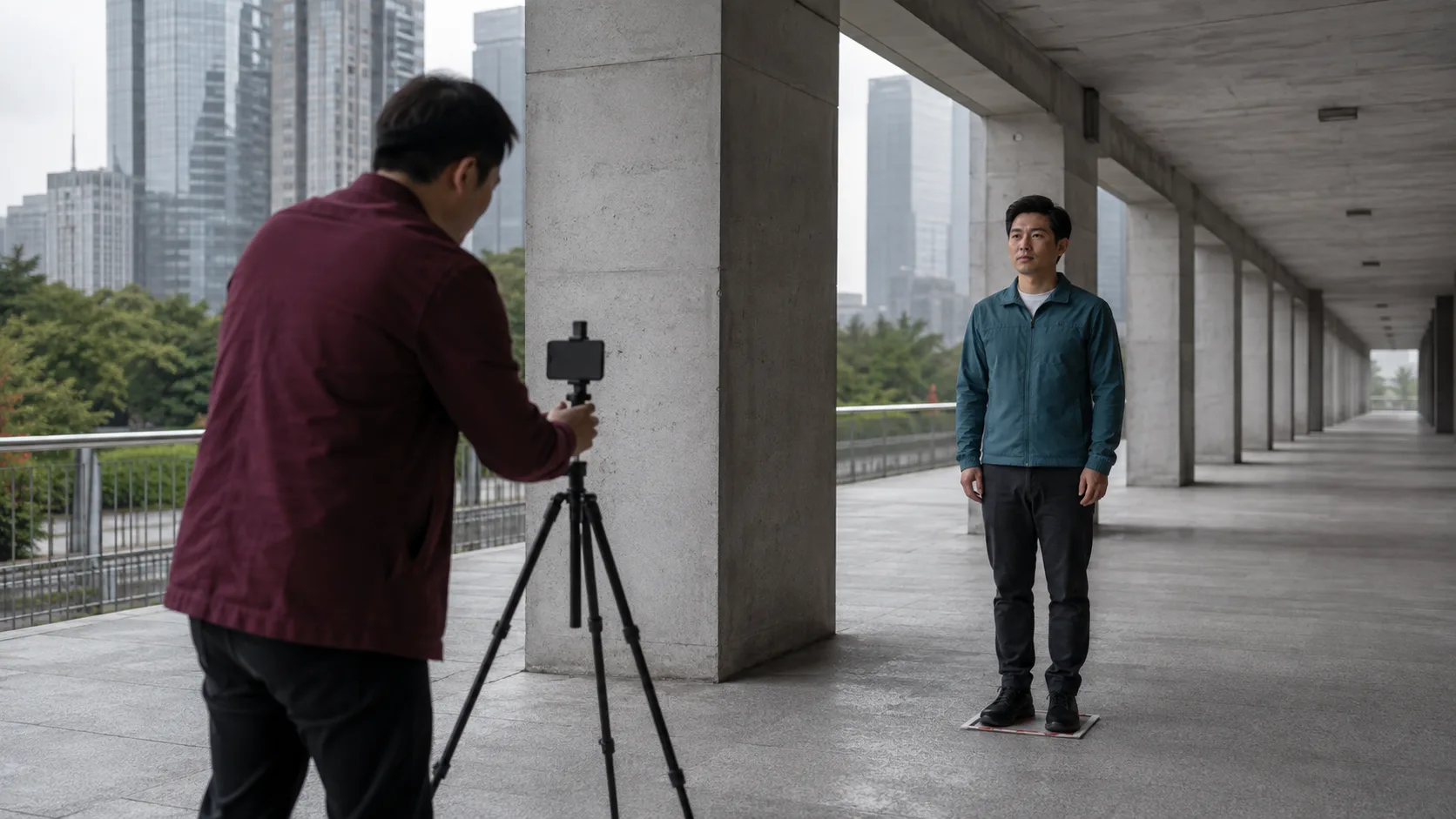
A changing score usually describes changing image conditions. Control one variable at a time before treating the number as useful feedback.

Build a realistic month around one repeatable baseline, three controllable priorities and weekly reviews instead of a thirty-item makeover list.
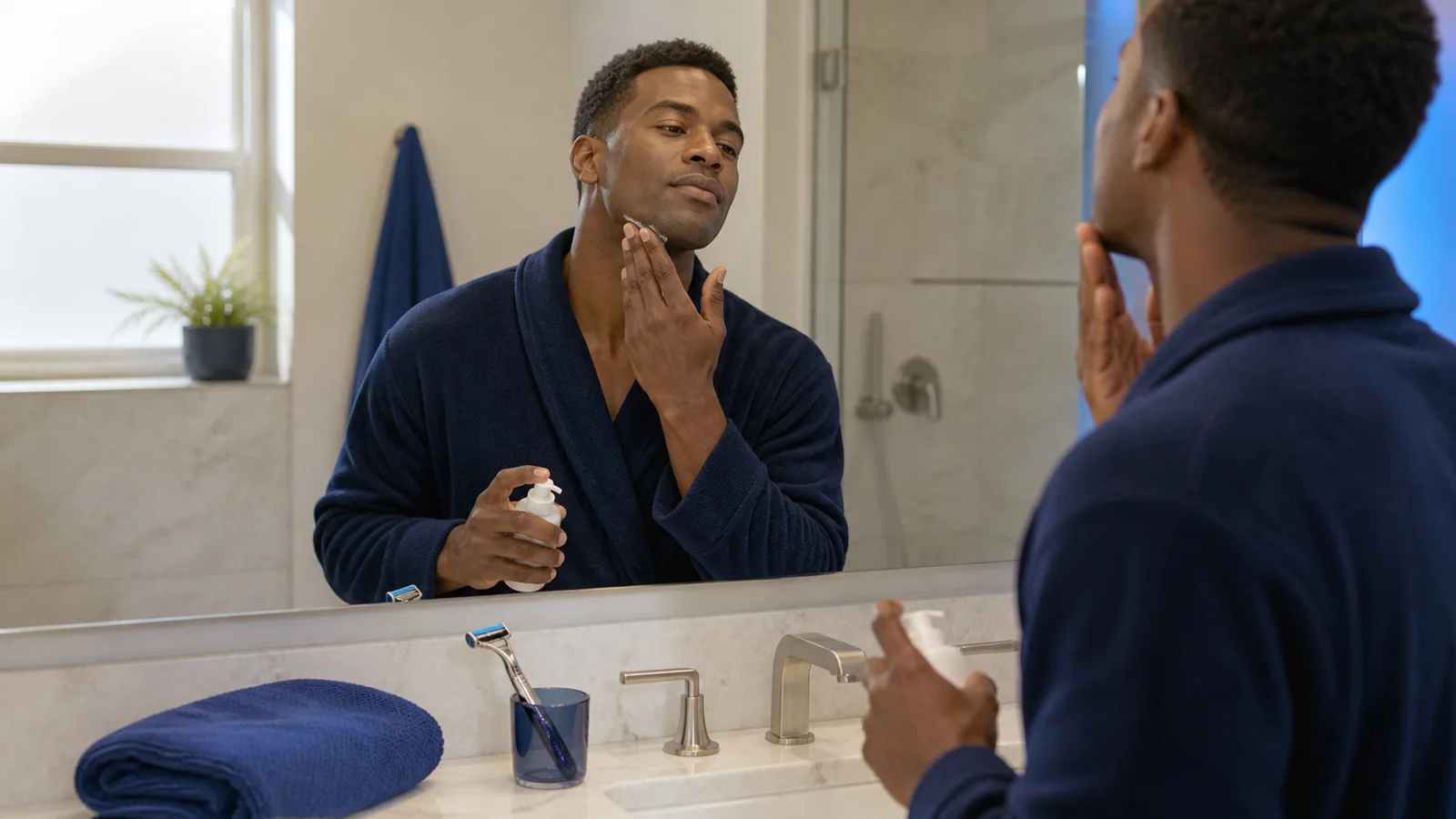
Reduce avoidable friction by preparing beard hair, mapping its growth, using short light strokes and simplifying what touches your skin afterward.

Learn how to take a reliable photo, read every FaceScore category and turn a free AI face rating into one focused MogRise Glow Up priority.
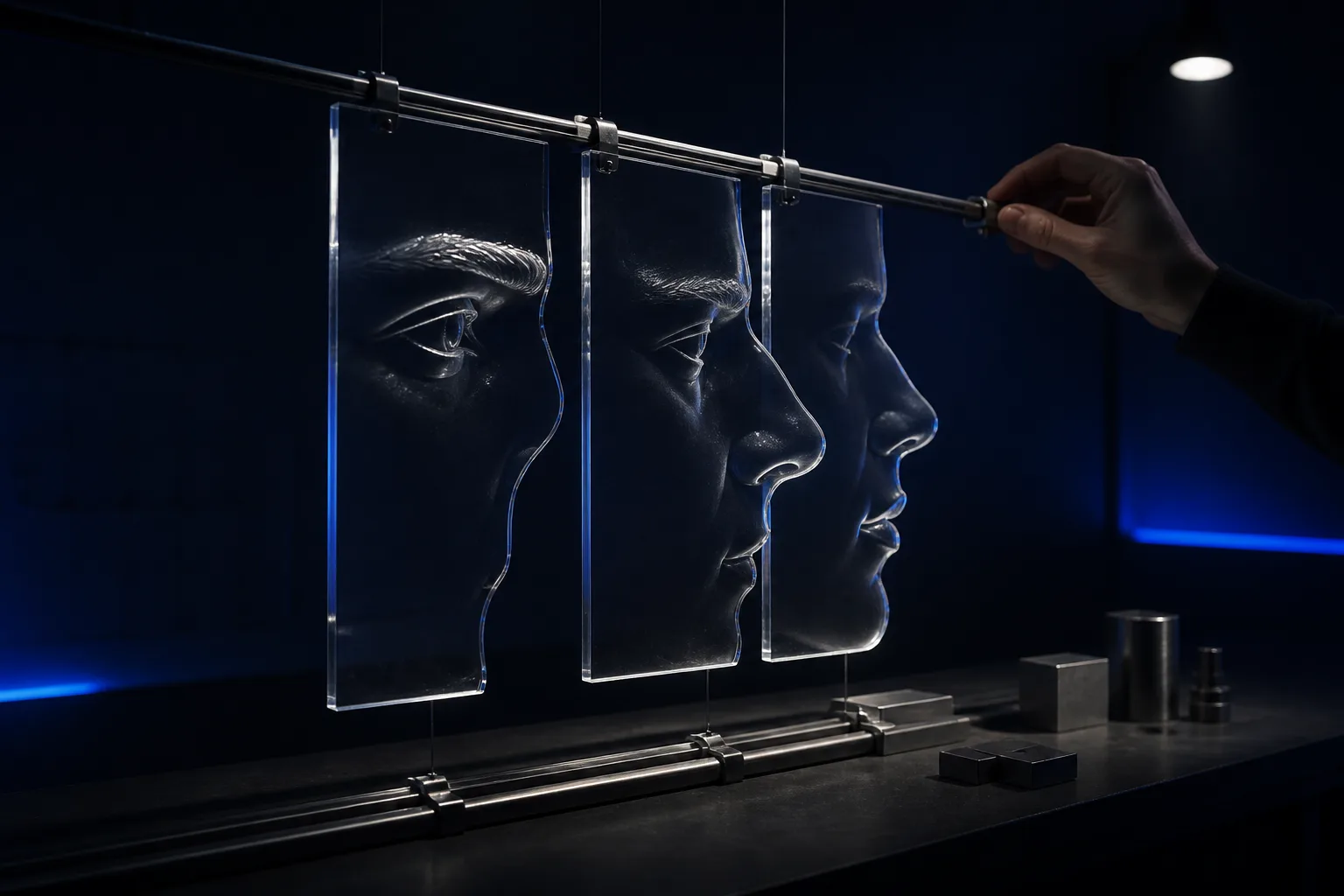
Understand how proportions, feature spacing, grooming and presentation work together, then build a focused MogRise plan around the changes with the strongest whole-face impact.
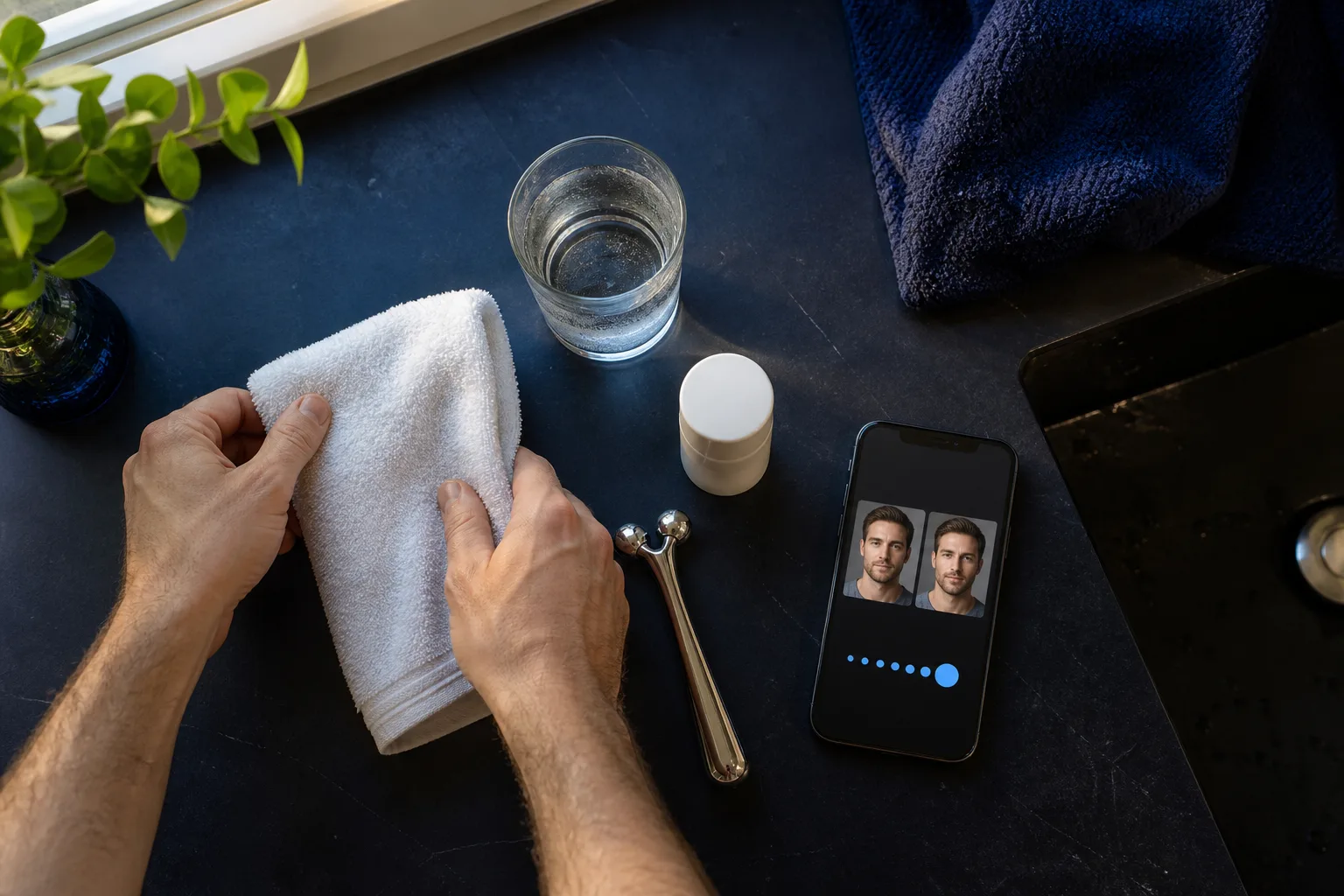
Use a calm, repeatable sequence of upright movement, cool water, light touch and matched photos to make morning facial puffiness easier to manage and compare.
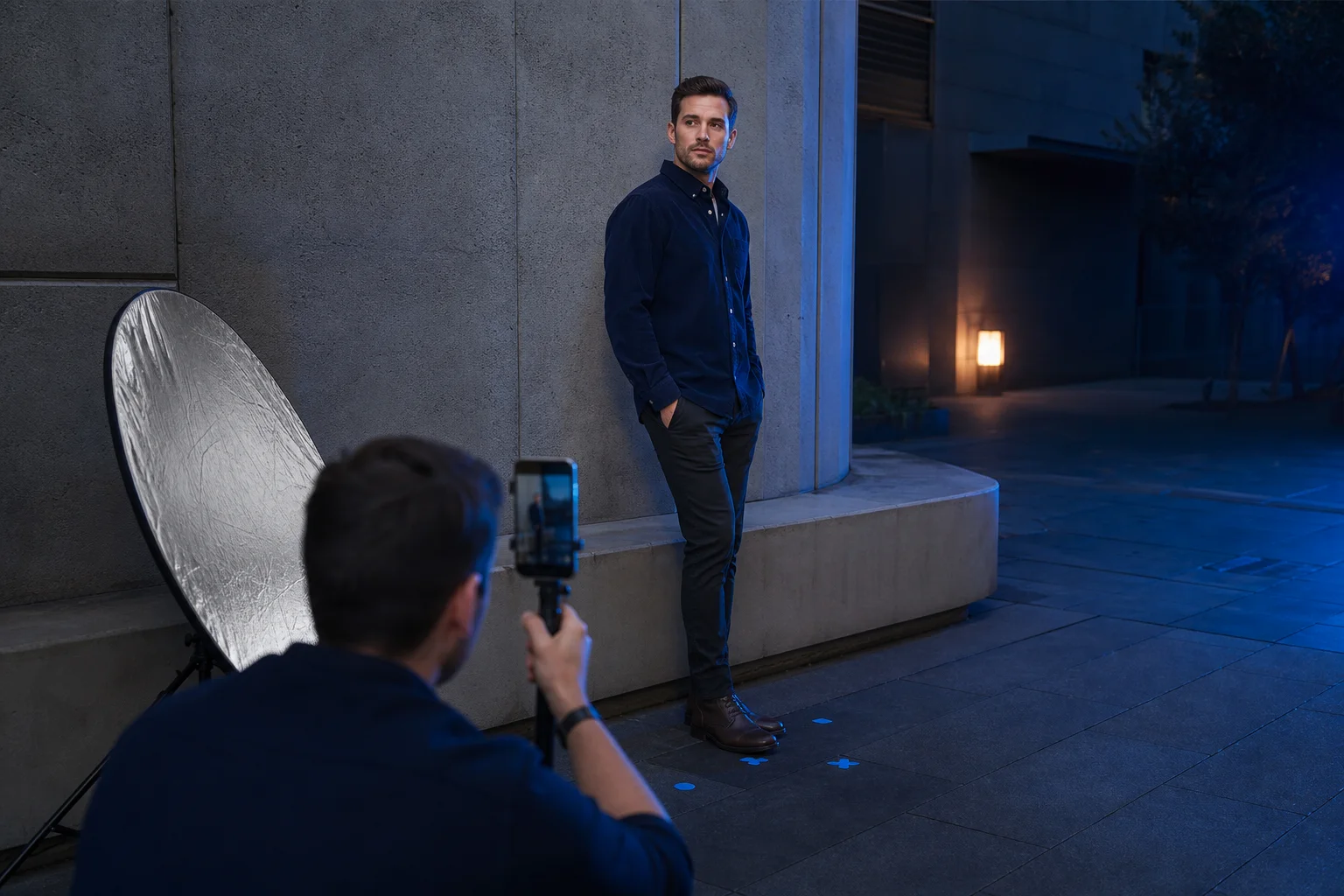
Build a repeatable photo setup that uses flattering distance, soft light, natural posture and a relaxed expression without filters or forced poses.
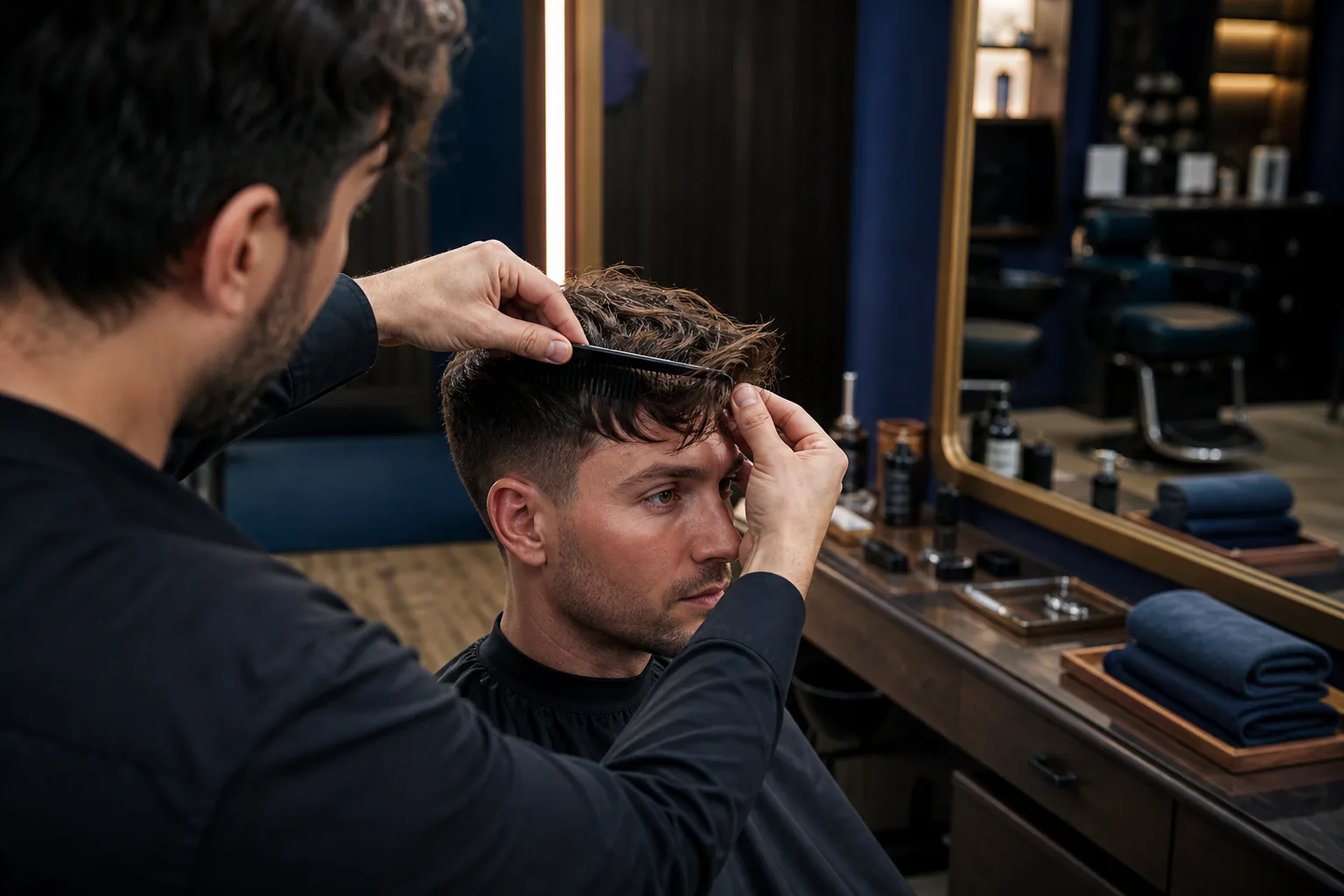
Choose a haircut that balances a high forehead through the right fringe direction, side length and natural texture for your hairline, face shape and routine.
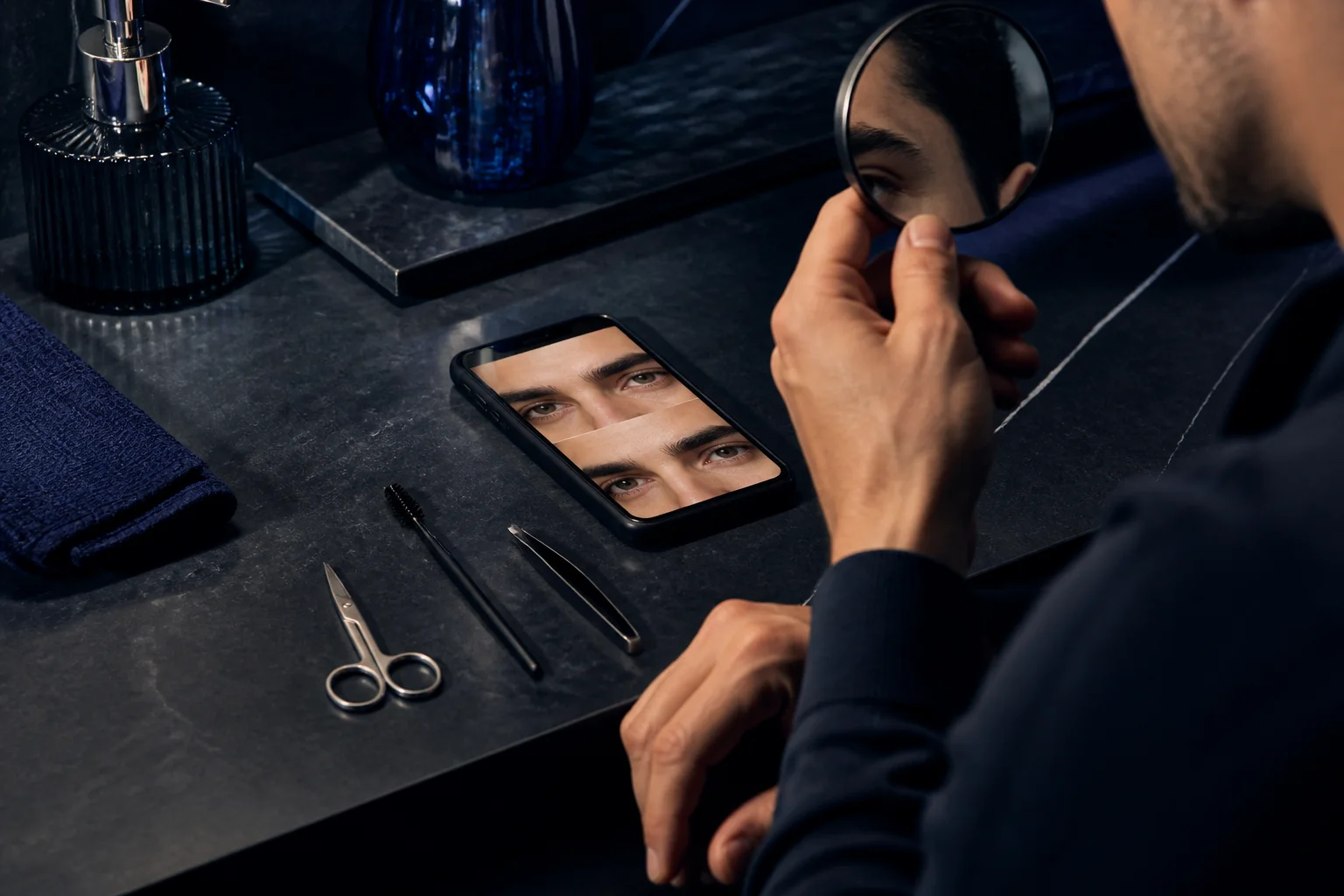
Brush, trim and clean up your eyebrows in a controlled order that preserves density, natural texture and a strong frame around the eyes.
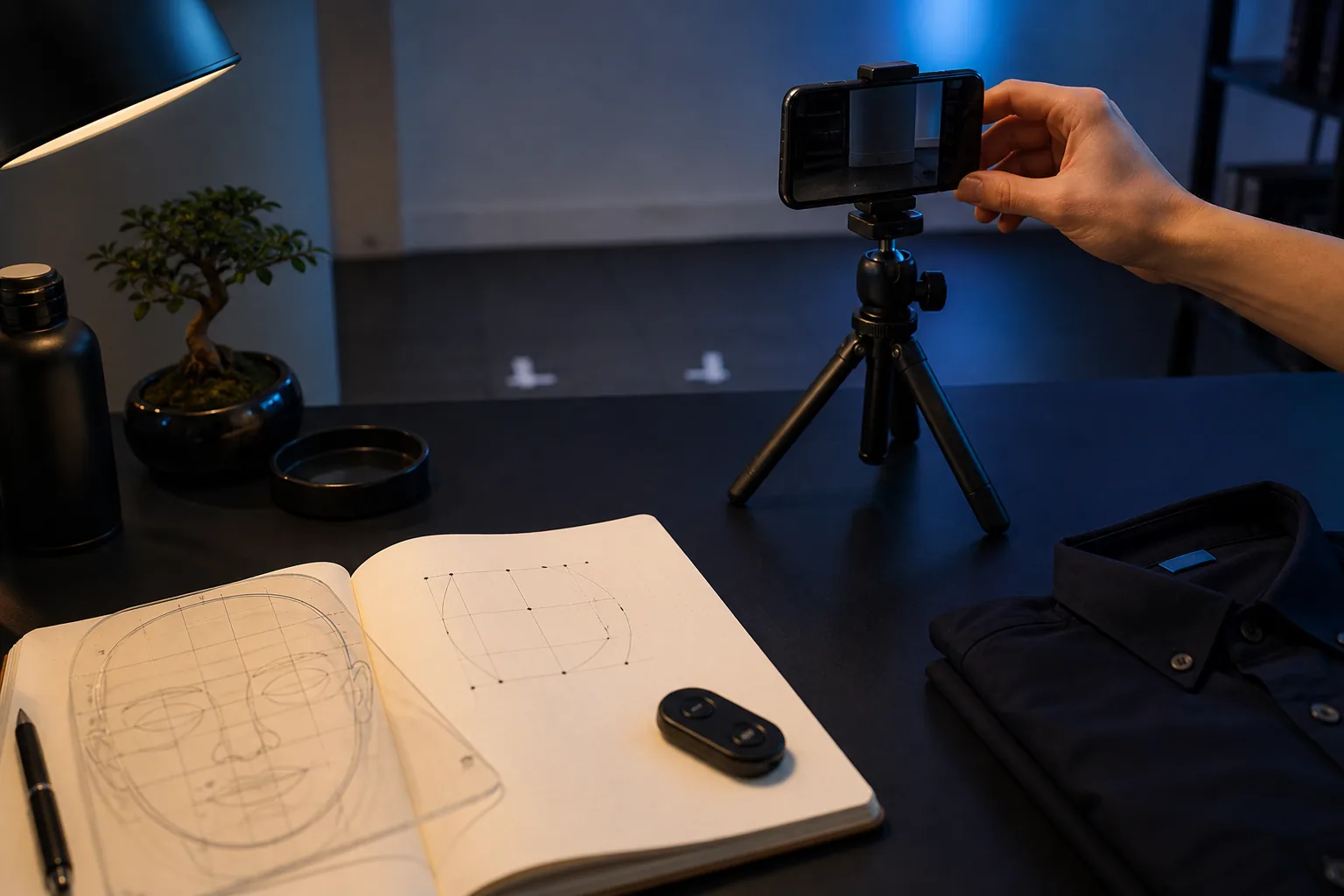
Take a free PSL scale test with a cleaner photo, read the PSL score by category and turn the result into a focused MogRise Glow Up plan.
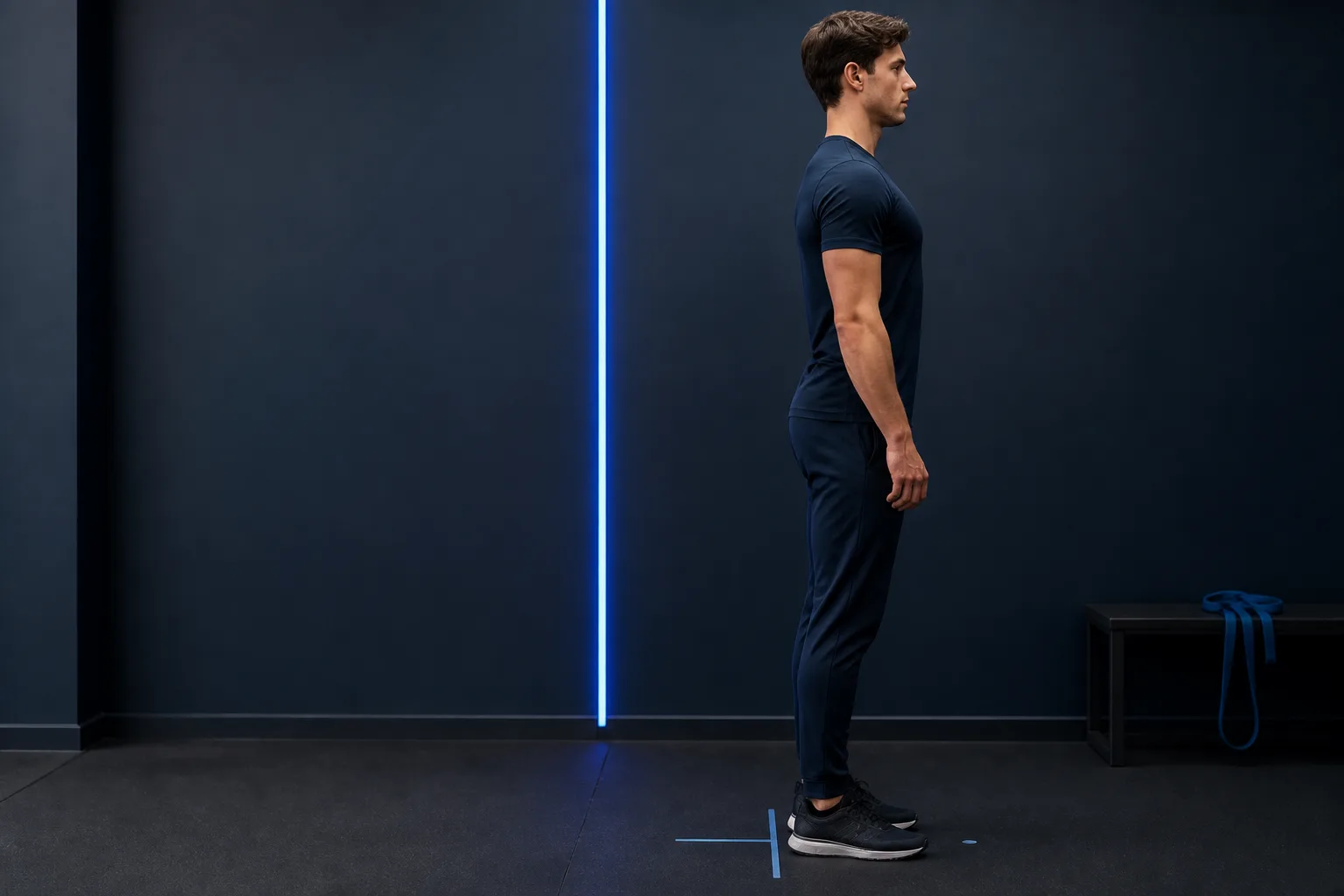
Use this LooksMax posture guide to align your head, open your shoulder line and build a stronger profile with a repeatable photo and training plan.
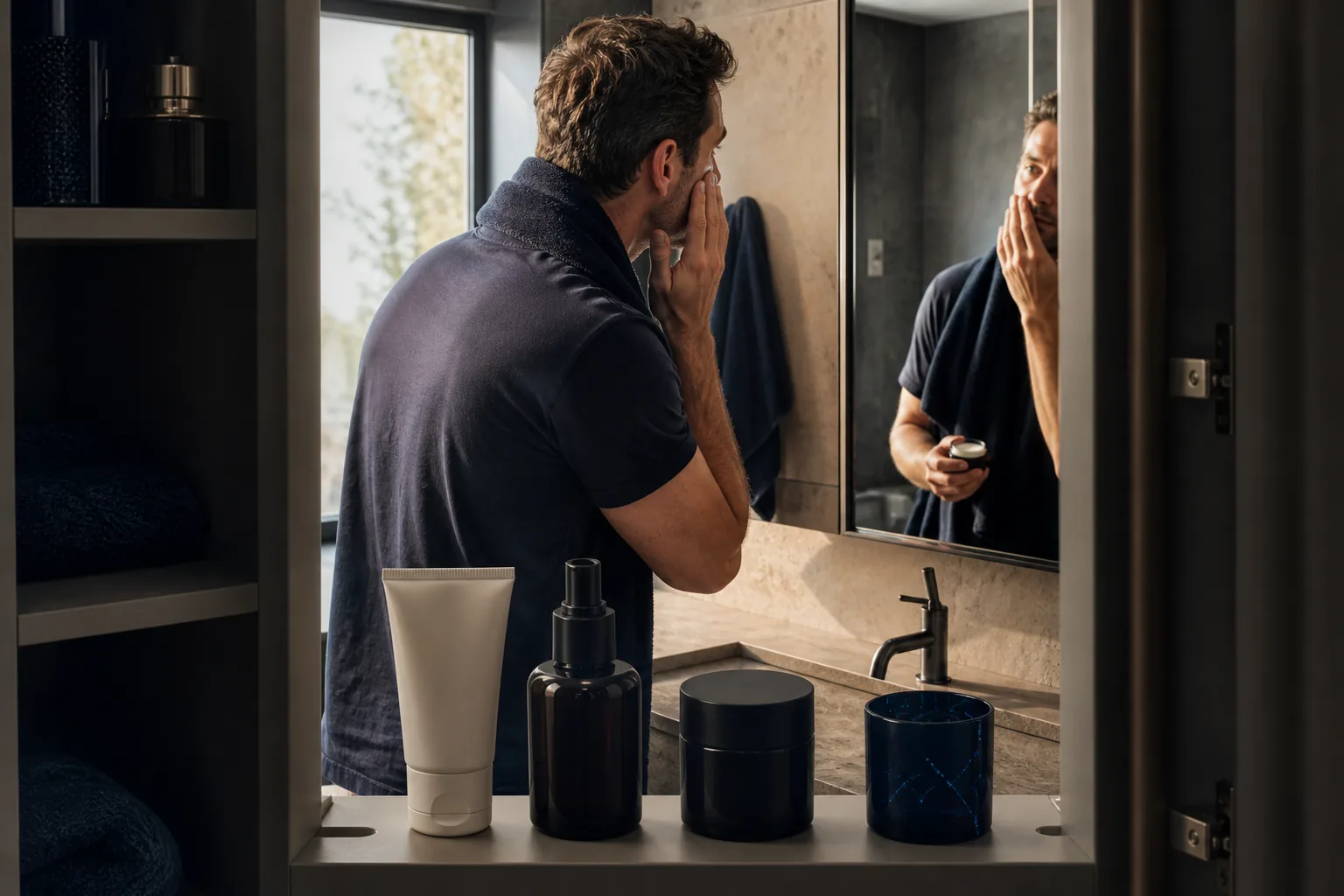
Build a simple skincare routine for men with a clear morning order, a short evening reset and consistent photos that turn better skin presentation into a focused MogRise Glow Up plan.
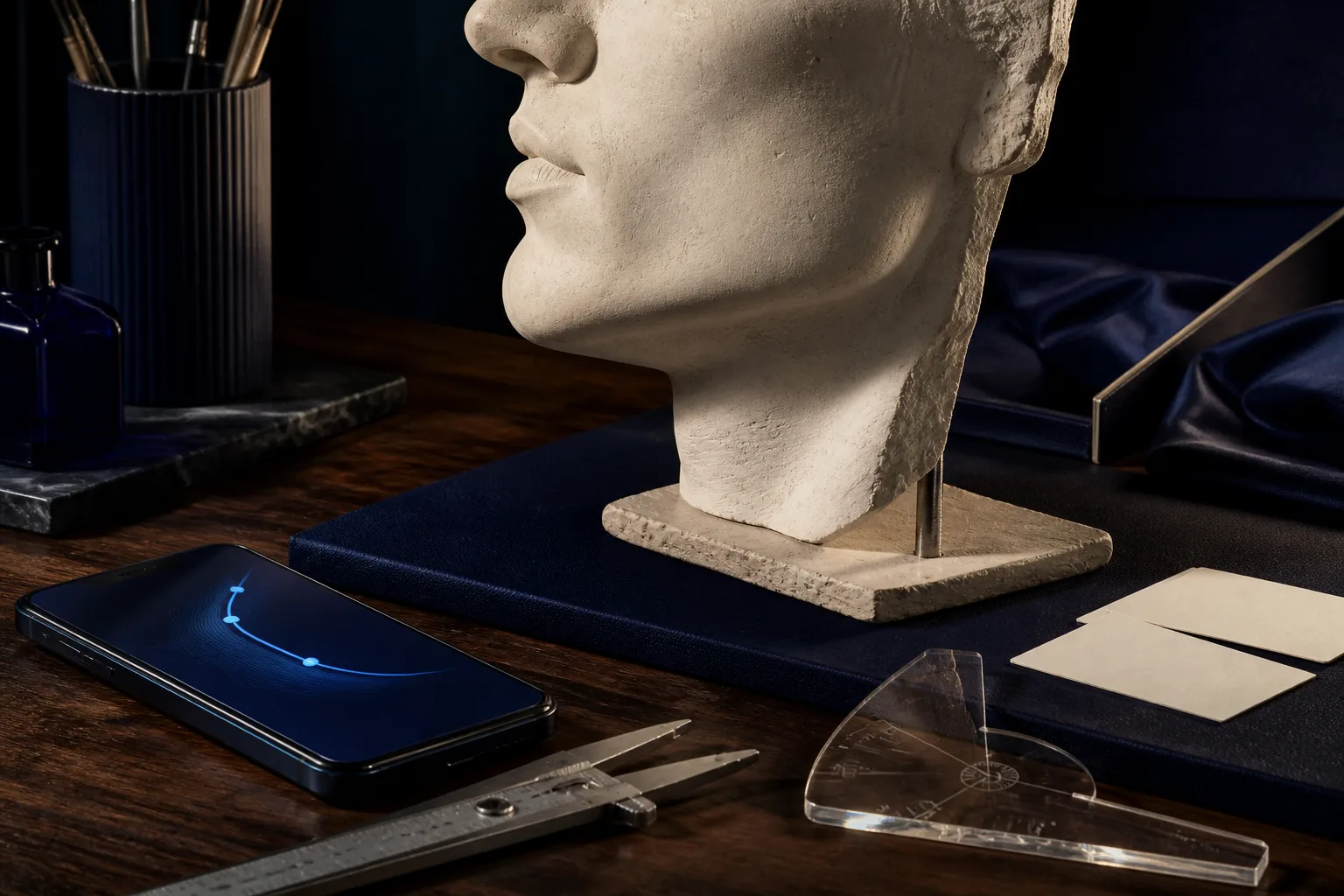
Use a free jawline analyzer with clean front and profile photos, read the visible lower-face relationships and turn the result into a focused JawMax plan with MogRise.

Choose frame shape, width, bridge, material and color as one complete style decision, then compare the strongest options on your own face with MogRise.
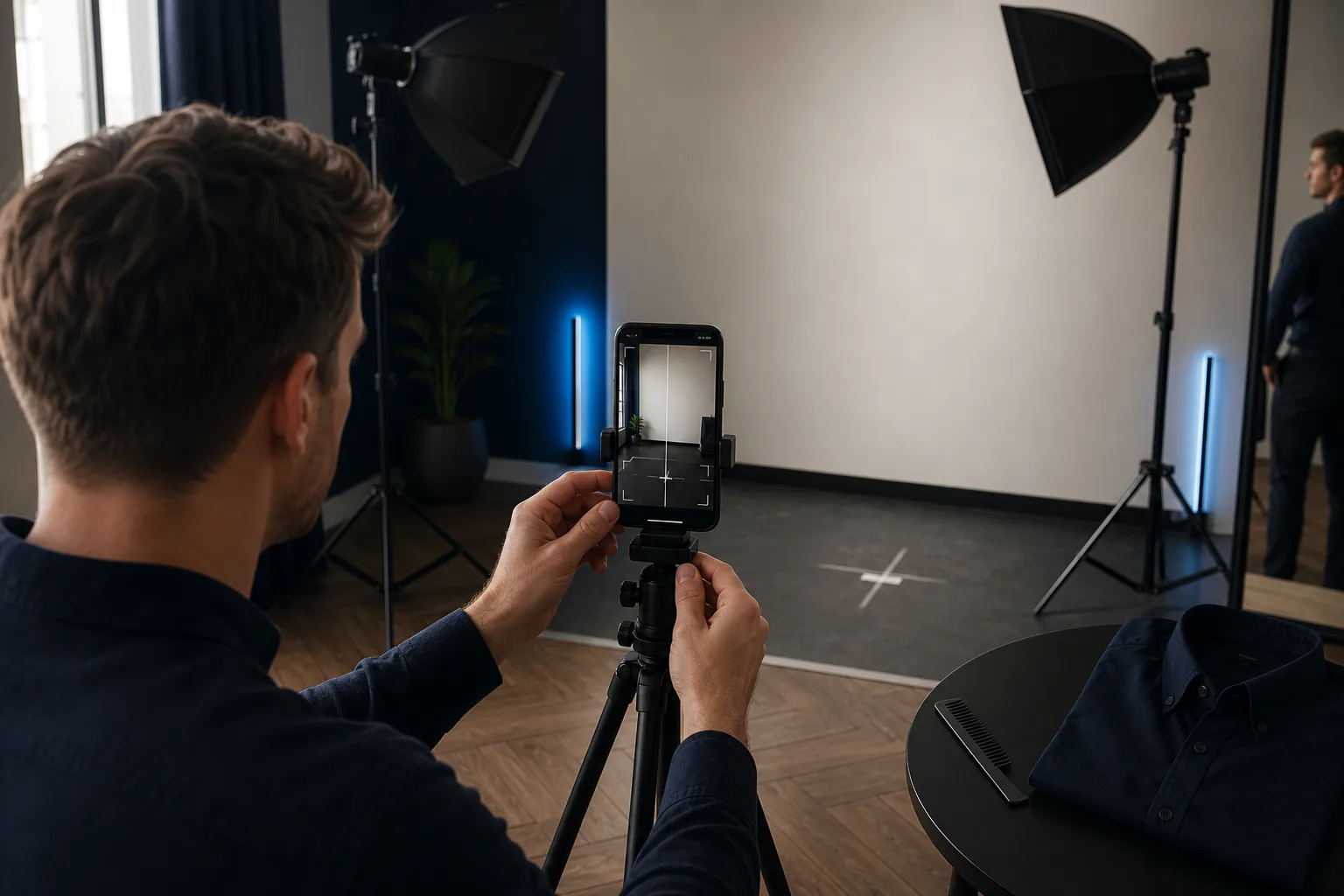
Take a cleaner symmetry photo, understand what the left-right comparison shows and turn the result into practical LooksMax priorities with MogRise.
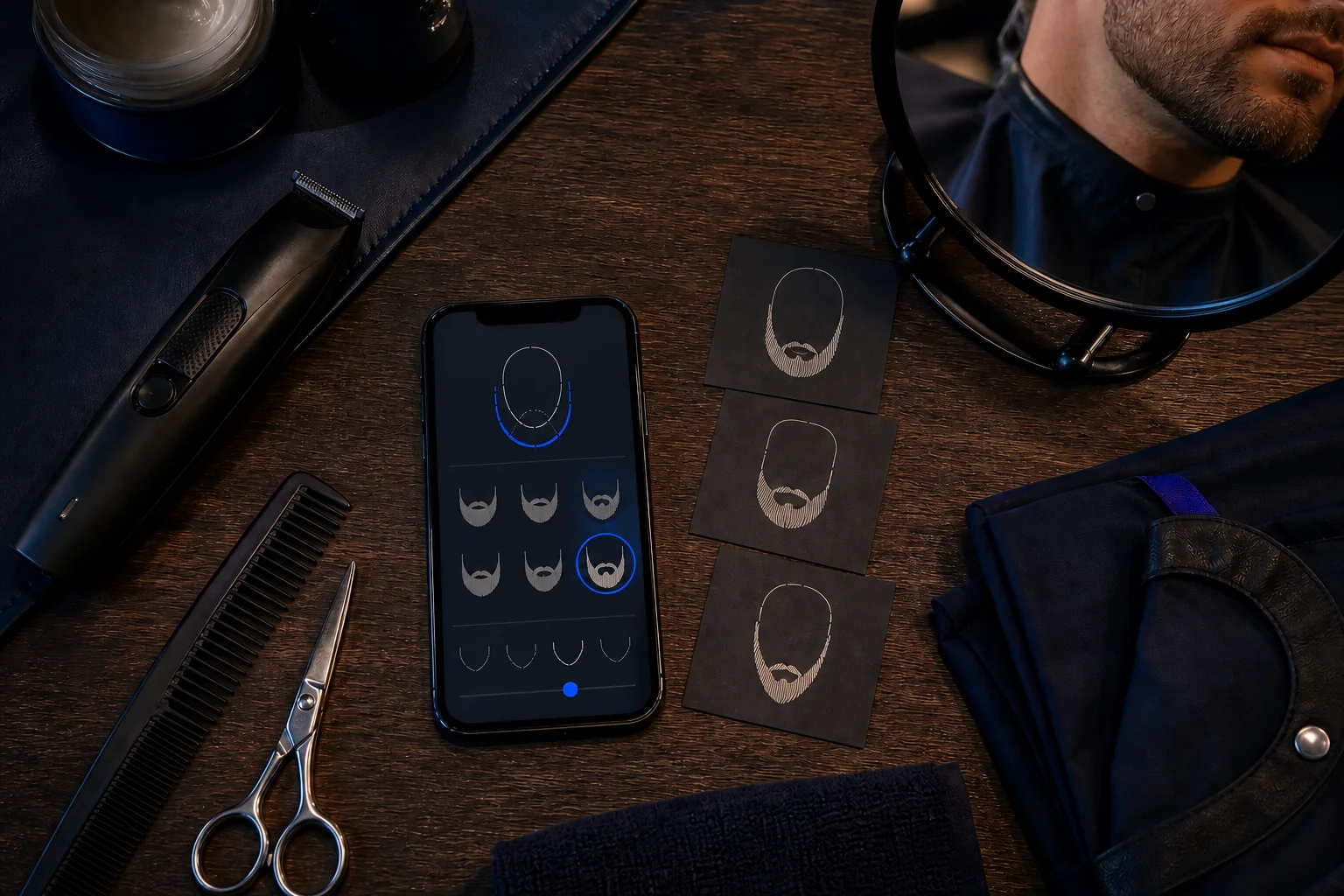
Choose a beard that balances your face shape, sharpens the jawline and fits your real growth pattern, then compare the direction with MogRise before you trim.
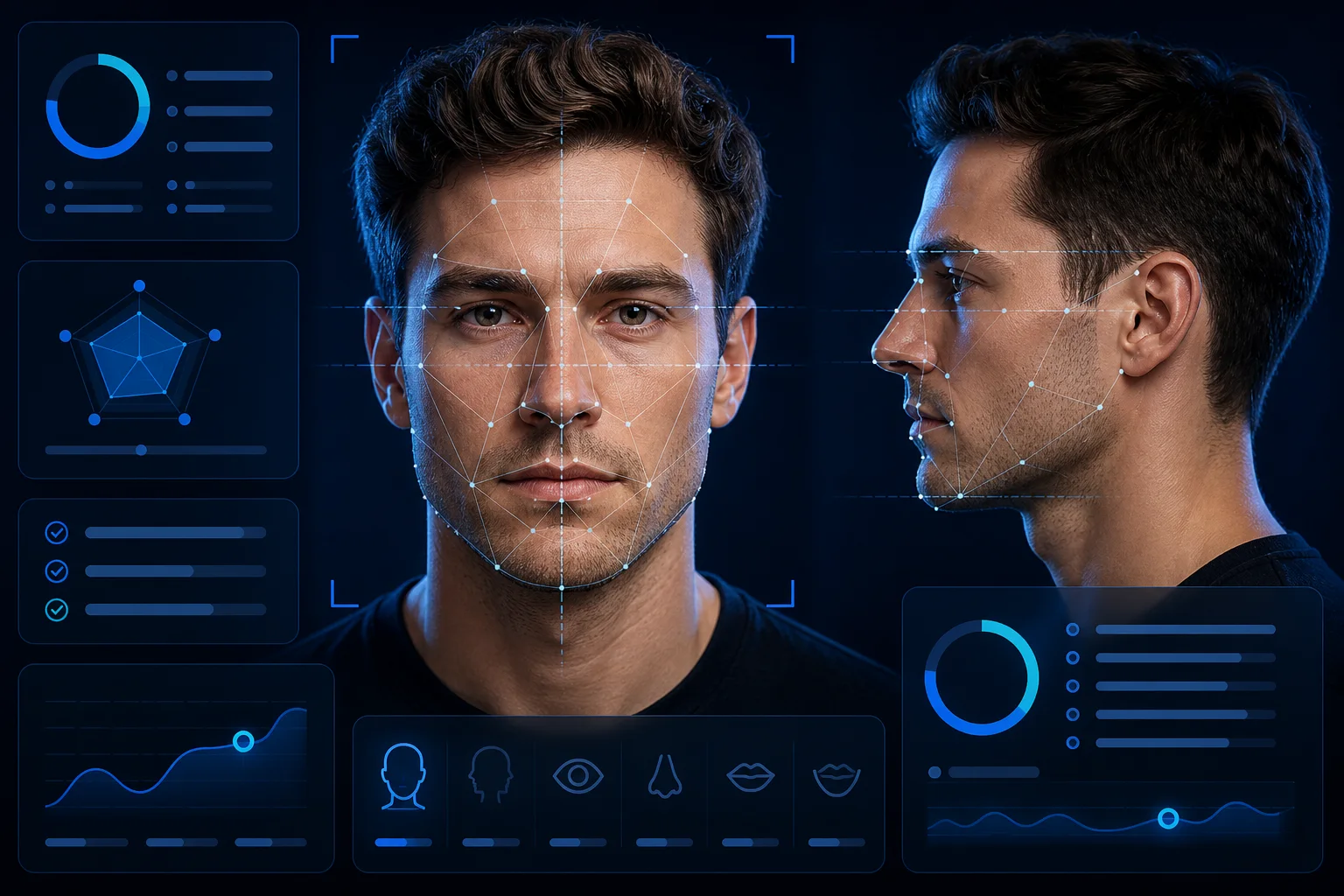
Compare free LooksMax apps by the quality of their photo guidance, facial analysis, explanations, personal plan and progress tools—not by one dramatic score.
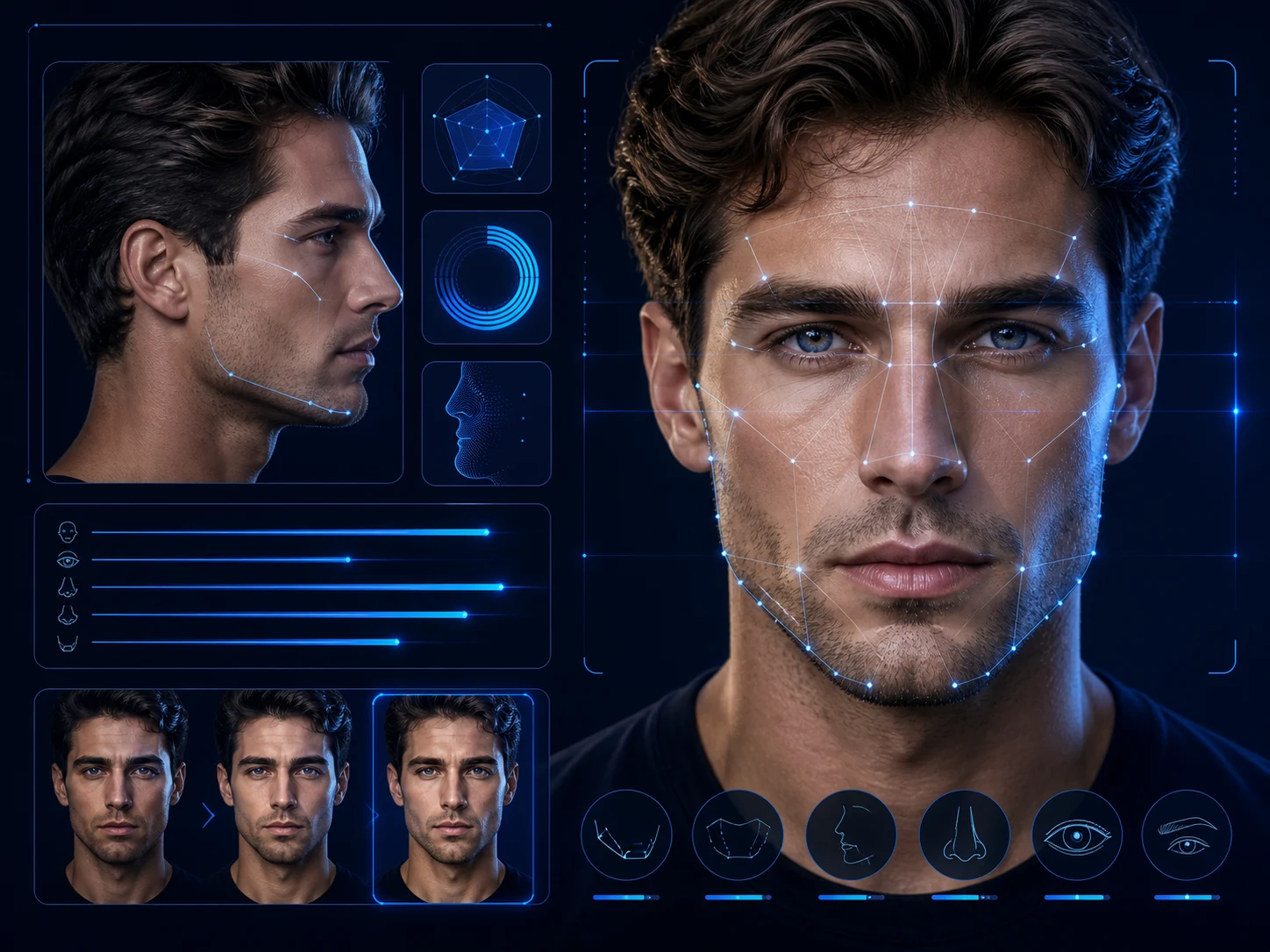
Turn your PSL score and FaceScore categories into a clear Glow Up plan built around the changes that matter most for your face, grooming and style.
A clearer way to improve
The MogRise blog turns niche LooksMax search terms into practical guidance for your next Glow Up. Every post gives you a direct answer, a focused action plan and clear next steps you can put into practice.
Terms such as PSL scale, FaceScore, Depuff AI, JawMax, Facelab and true potential point to specific goals. We define the term first, connect it to visible details and show you which controllable changes deserve your attention.
That structure makes each article easy to understand, compare and turn into a personal LooksMax plan.
Photo angle, distance, light and expression can change how a face reads before AI analysis begins. Our guides repeatedly return to consistent front and profile photos because a review is only useful when the starting conditions are understandable.
A stable baseline also makes it easier to distinguish a meaningful change from temporary puffiness, styling, focus or camera distortion.
Hair, beard, glasses, clothing color, grooming and photo presentation give you many ways to refine your look. We rank those options by visible impact, personal control, cost, maintenance and the time it takes to see progress.
This helps you focus on the changes that fit your face, your style and your daily routine.
Each article includes a concise answer, descriptive headings, practical checklists, FAQs, publication dates, author information, sources and structured BlogPosting data. This makes the content easier for readers, search engines and AI assistants to understand accurately.
The goal is not keyword repetition for its own sake. It is a useful page that answers your search clearly and turns information into action.
Our posts are practical planning resources published by Rocket Digital Limited. They combine clear explanations with specific grooming, style, presentation and progress steps.
From 20 September 2026, each new article appears in English plus two languages from one shared rotation. Earlier translations remain available in the archive.