Morning routine
Depuff AI and Skin Analyzer: A Smarter 7-Day Glow-Up Routine
Use Depuff AI, a skin analyzer and glow-up tracking to find repeatable patterns without confusing temporary puffiness with facial structure.
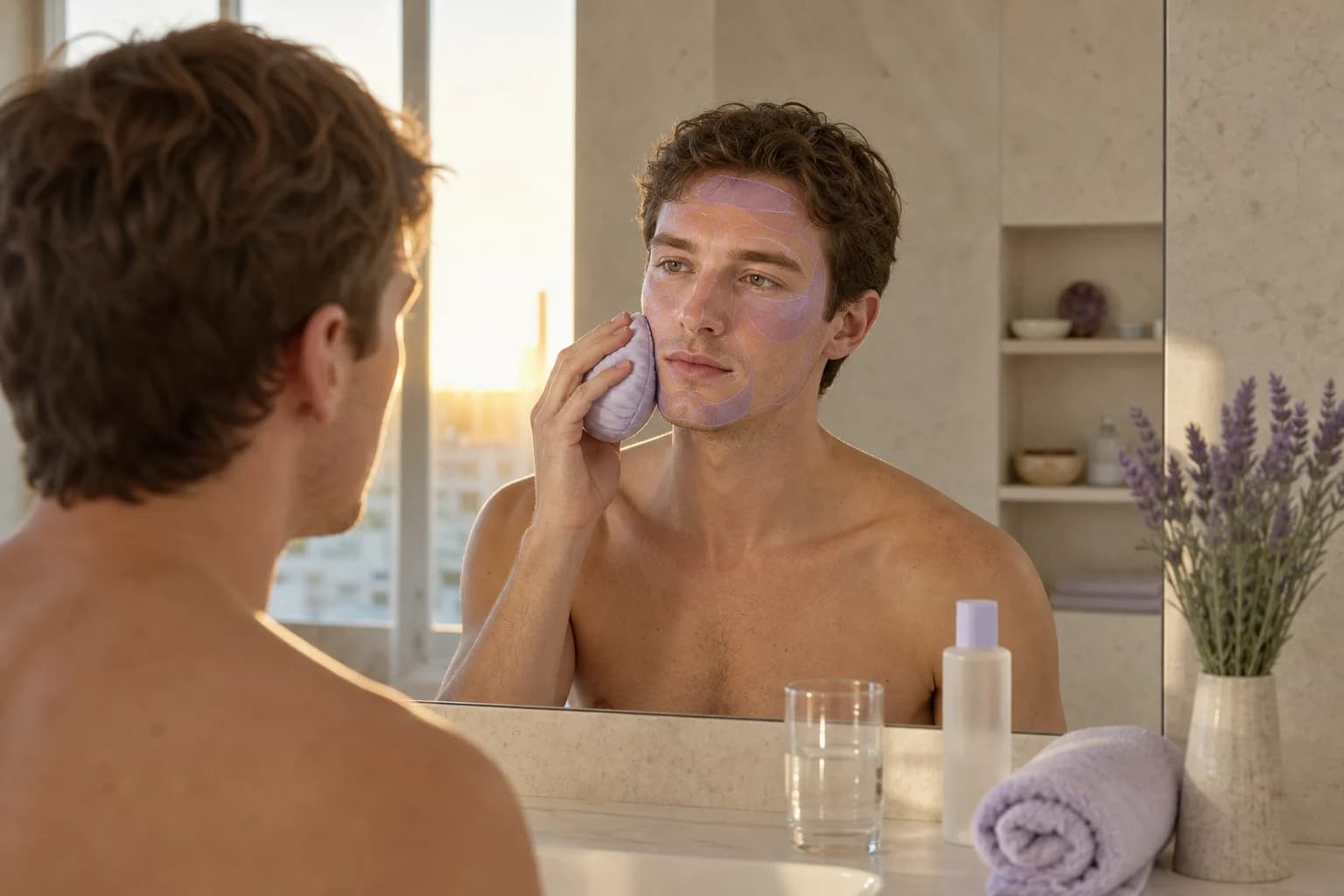
Facial puffiness changes with sleep, hydration, salt, alcohol, allergies, stress and camera conditions. That makes it a poor target for one-off before-and-after claims but a good target for consistent routine tracking.
A Depuff AI workflow should help you find patterns rather than prescribe aggressive techniques. The goal is to reduce avoidable morning swelling while knowing when a symptom needs professional attention.
What the search terms mean
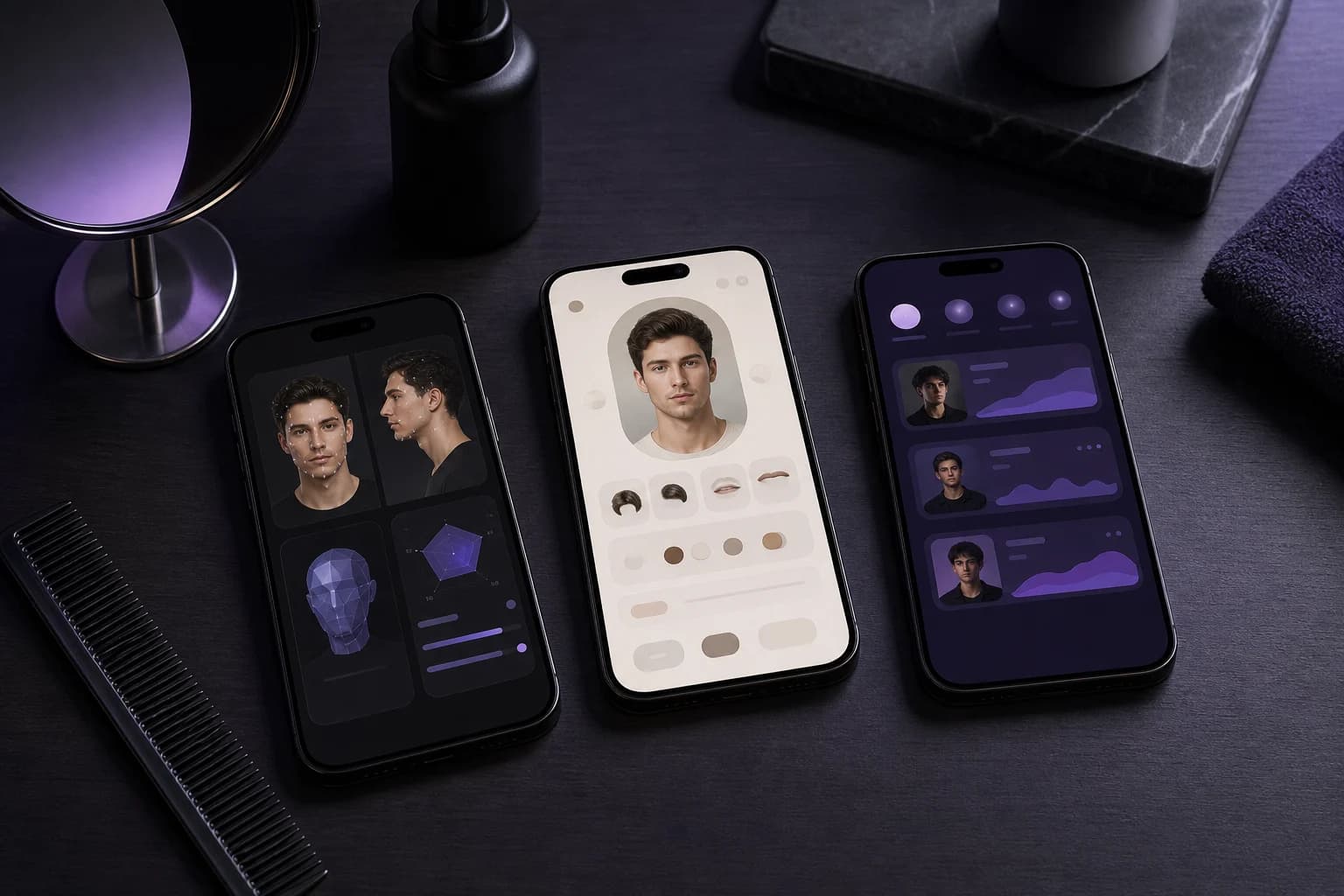
Depuff AI is best understood as photo-assisted habit tracking. A skin analyzer can add visible-surface observations, while a glow up or glowup plan connects them to sleep, skincare and recovery. None can identify a medical cause from a selfie.
A practical framework
Create a seven-day baseline
Take one eye-level photo after waking in the same location and light. Log sleep duration, late meals, alcohol, hydration and allergy symptoms.
Test gentle interventions
Prioritize adequate sleep, regular hydration, light movement and a cool—not painfully cold—compress. Change one variable so the result stays interpretable.
Review the pattern
Compare the average week, not your best and worst selfie. A useful trend is repeatable across several days and not dependent on a changed angle.

How to interpret the result
Puffiness is not one condition
A fuller morning face can reflect normal overnight fluid distribution, short sleep, a late salty meal, alcohol, seasonal allergies or ordinary photo variation. A selfie cannot tell those possibilities apart with medical certainty.
Skin and swelling need separate notes
A skin analyzer may describe visible redness, shine, texture or uneven tone, while depuff tracking follows short-term changes around the eyes, cheeks and jaw. Combining both into one ‘face quality’ score hides useful information.
The weekly average matters
A single sharp-looking morning can be luck; a single puffy morning can be noise. Compare several matched images and use the median pattern to decide whether a habit is worth keeping.
Your practical action plan
Days 1–2: observe
Keep your routine unchanged, take matched morning photos and log sleep, late meals, alcohol and allergy symptoms.
Days 3–4: stabilize
Use a regular sleep window, normal hydration and gentle movement without adding extreme cooling or multiple new products.
Days 5–6: test one variable
Change only one plausible trigger or add one gentle step, then record the result under the same conditions.
Day 7: compare
Review the complete week, keep the useful habit and seek professional advice for unusual, painful or persistent swelling.

Quality checklist
- Photos are taken at the same time and distance
- Sleep and common triggers are logged
- Cooling is comfortable and brief
- Sudden or persistent swelling is not treated as a cosmetic problem
Limits and safety
Seek medical advice for sudden, painful, one-sided or persistent swelling, swelling with breathing difficulty, or other concerning symptoms. AI and skincare advice cannot diagnose allergies, infections, thyroid issues or other conditions.
Sources and further reading
Bottom line
The best depuff routine is boring, gentle and measurable. Track consistent mornings, improve recovery habits and escalate unusual symptoms instead of forcing a dramatic same-day change.