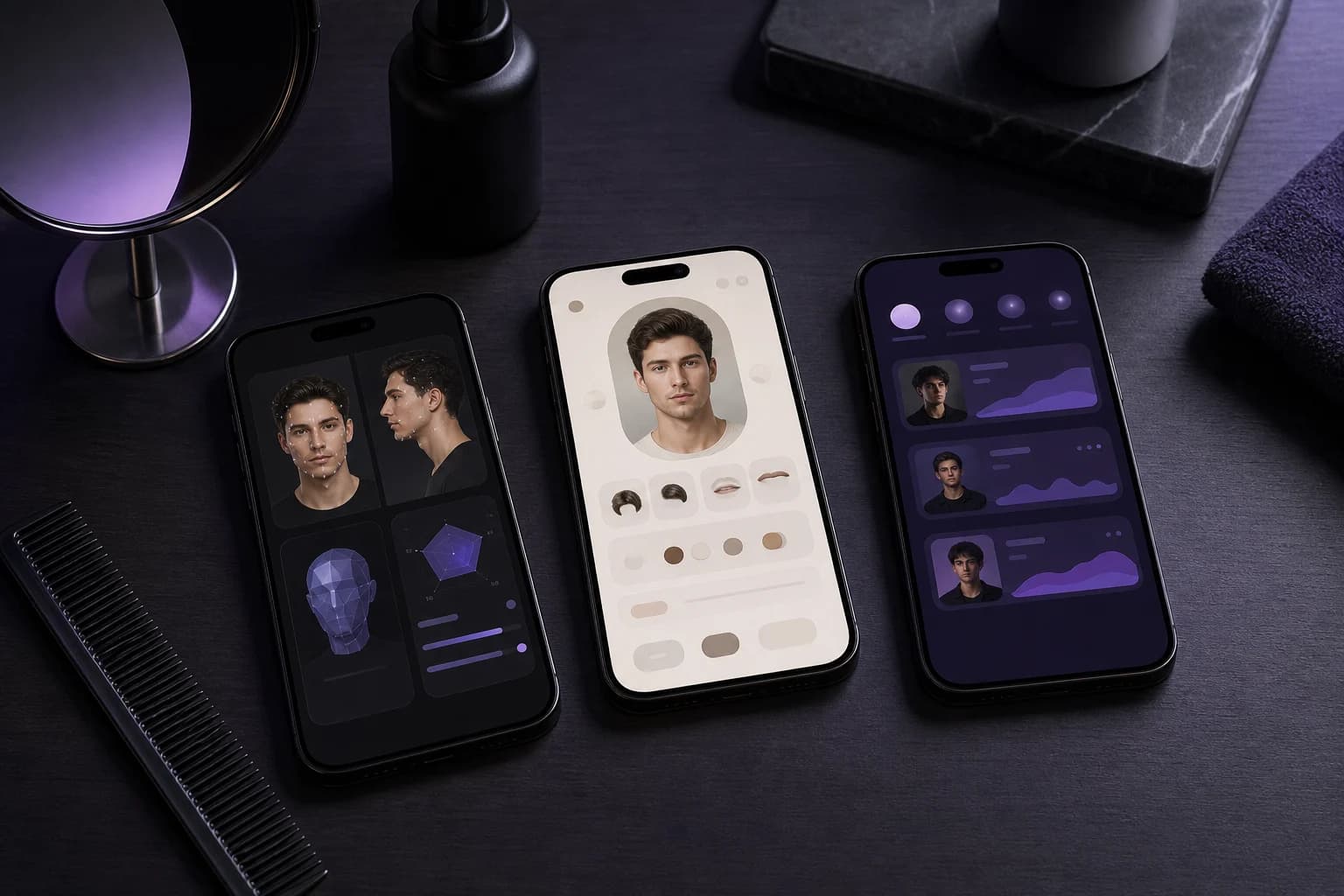
Face shape and style guide
Face Shape Analyzer: A Practical Guide to Hair, Beard and Style
Use a face shape analyzer, face shape guide and Style AI to choose better hair and beard directions without forcing every face into one label.

A face shape analyzer can give useful styling vocabulary, but most faces do not fit one perfect geometric category. Width, length, jaw taper, cheekbone position, hairline and camera angle all influence the label.
The better question is not simply “Which shape am I?” It is “Which visible effect do I want from my hair, facial hair and styling?” A flexible face shape guide connects those two questions.
What the search terms mean
Face-shape analysis groups visible proportions into broad families such as oval, oblong, round, square, heart or diamond. These are planning shortcuts, not rules. Style AI should use them as one input alongside hair texture, density, maintenance and preference.
A practical framework
Measure the framing, not your worth
Use a centered photo with the hairline and jaw visible. Compare overall length, forehead width, cheekbone width and jaw taper without treating any proportion as a defect.
Choose the effect
Extra height can visually lengthen; side width can add balance; fringe can change the visible forehead; beard boundaries can emphasize or soften the lower face. Select the effect that matches your goal.
Filter through real hair
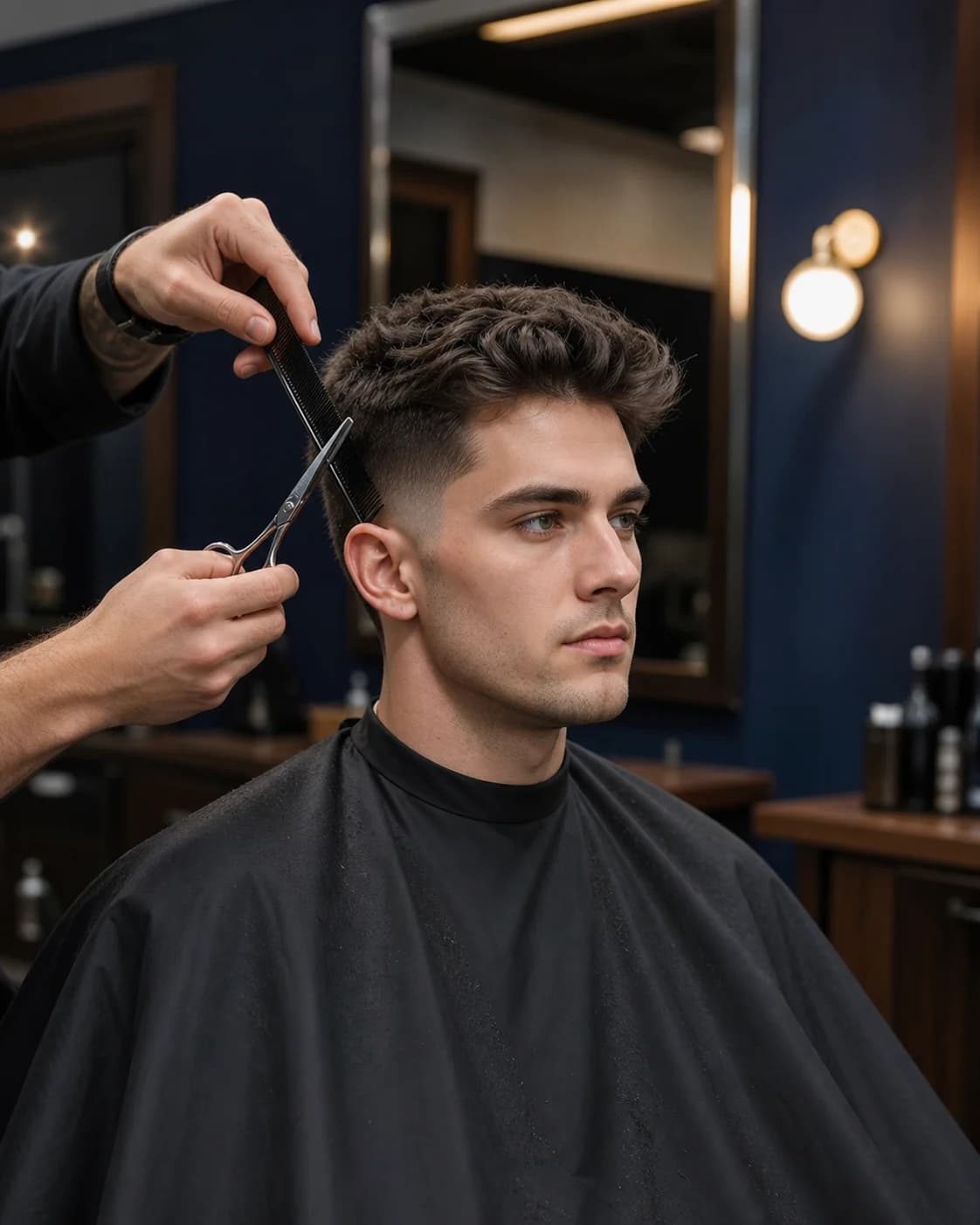
A recommendation only works when it respects density, curl pattern, growth direction, styling time and your willingness to maintain it. Bring reference images to a barber or stylist for adaptation.
How to interpret the result
Length-to-width is only the start
Two faces with similar outer ratios can need different styling because the forehead, cheekbones, jaw taper and chin distribute that width differently. Read the complete outline rather than one label.
Hair changes the perceived outline
Volume on top, tight sides, a fringe or temple width can visually lengthen, shorten or broaden the frame. That effect matters more than whether an app calls the face oval or oblong.
Beard shape changes the lower frame
Stubble can add contrast, a squared boundary can emphasize width and extra chin length can elongate the lower face. Growth density and natural gaps determine which direction will look intentional.
Your practical action plan
Identify the current outline
Use a straight, eye-level photo with hair pulled away from the forehead and no wide-angle distortion.
Define the desired effect
Decide whether you want more visible length, width, jaw emphasis, softness or forehead coverage.
Choose two realistic references
Match hair texture, density and growth pattern—not only the model’s face shape—when selecting examples.
Write a barber-ready brief
Describe the shape to create, the areas to keep controlled and the styling time you will realistically spend each morning.

Quality checklist
- The full hairline and jaw are visible
- The analyzer allows blended or uncertain categories
- Recommendations explain the intended visual effect
- Hair texture, density and maintenance are part of the decision
Limits and safety
Face shape changes across focal lengths, expressions and body-composition shifts. Do not choose a haircut from one app label alone, and do not use geometric categories to infer health, personality or attractiveness.
Sources and further reading
Bottom line
Use face shape as a starting map. The best style choice combines proportion, real hair behavior, personal taste and a practical maintenance plan.