Face analysis guide
PSL scale Explained: Turn a FaceScore Into a Practical LooksMax Plan
Understand PSL, the PSL scale and FaceScore, then turn a LooksMax analysis into realistic priorities instead of chasing a number.

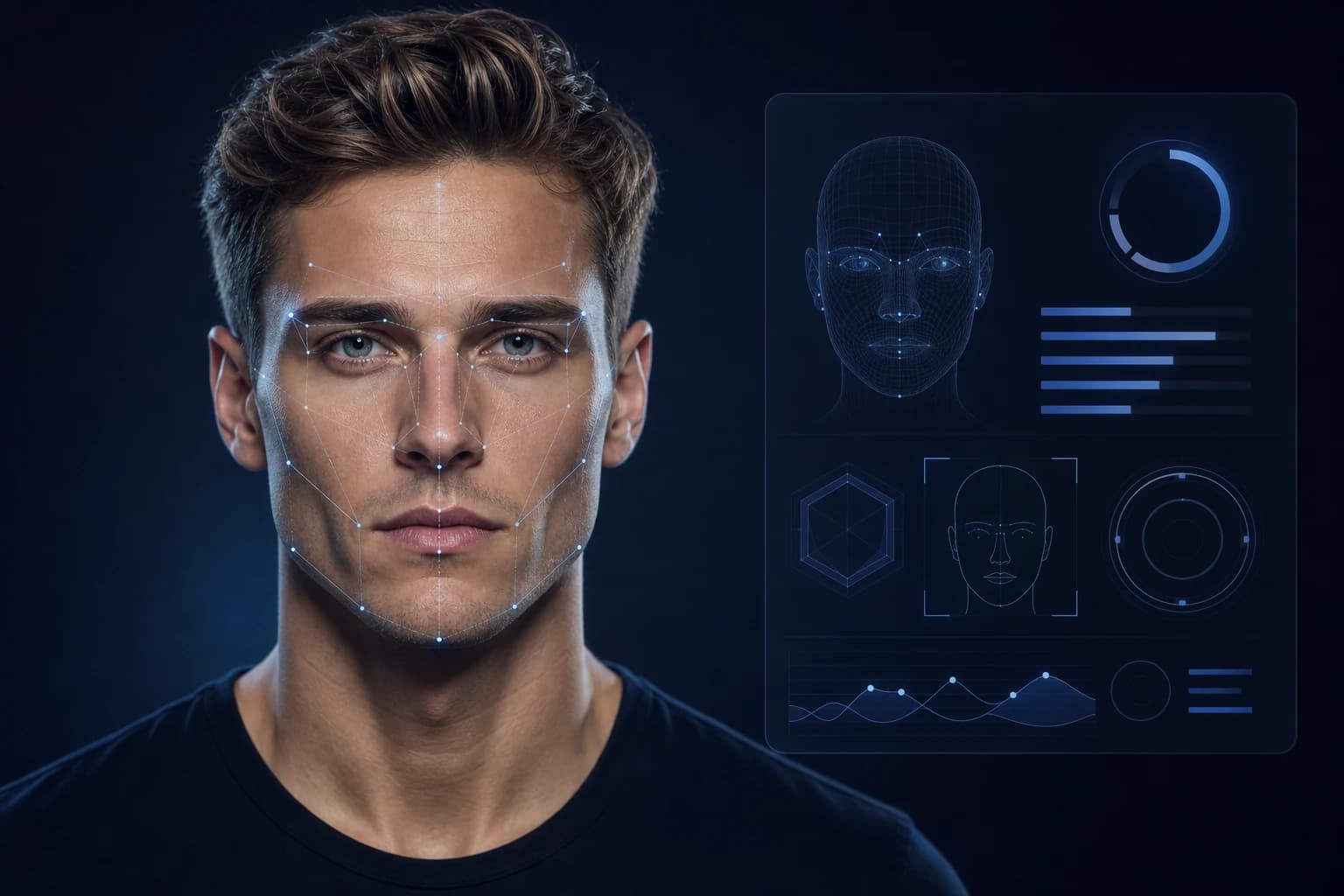
PSL, PSL scale, FaceScore and LooksMax are common search terms for systems that summarize facial aesthetics. They often compress symmetry, proportions, skin, hair and presentation into one score, even though those elements behave very differently in real life.
A better use of PSL language is diagnostic rather than judgmental: identify visible patterns, separate structural traits from changeable presentation, and build a routine around the few actions that can actually help.
What the search terms mean
There is no single scientific PSL or FaceScore standard. Different LooksMax communities and apps weight features differently, so a score should be treated as a rough interface for observations—not a verdict on attractiveness, health or personal worth.
A practical framework
Start with consistent photos
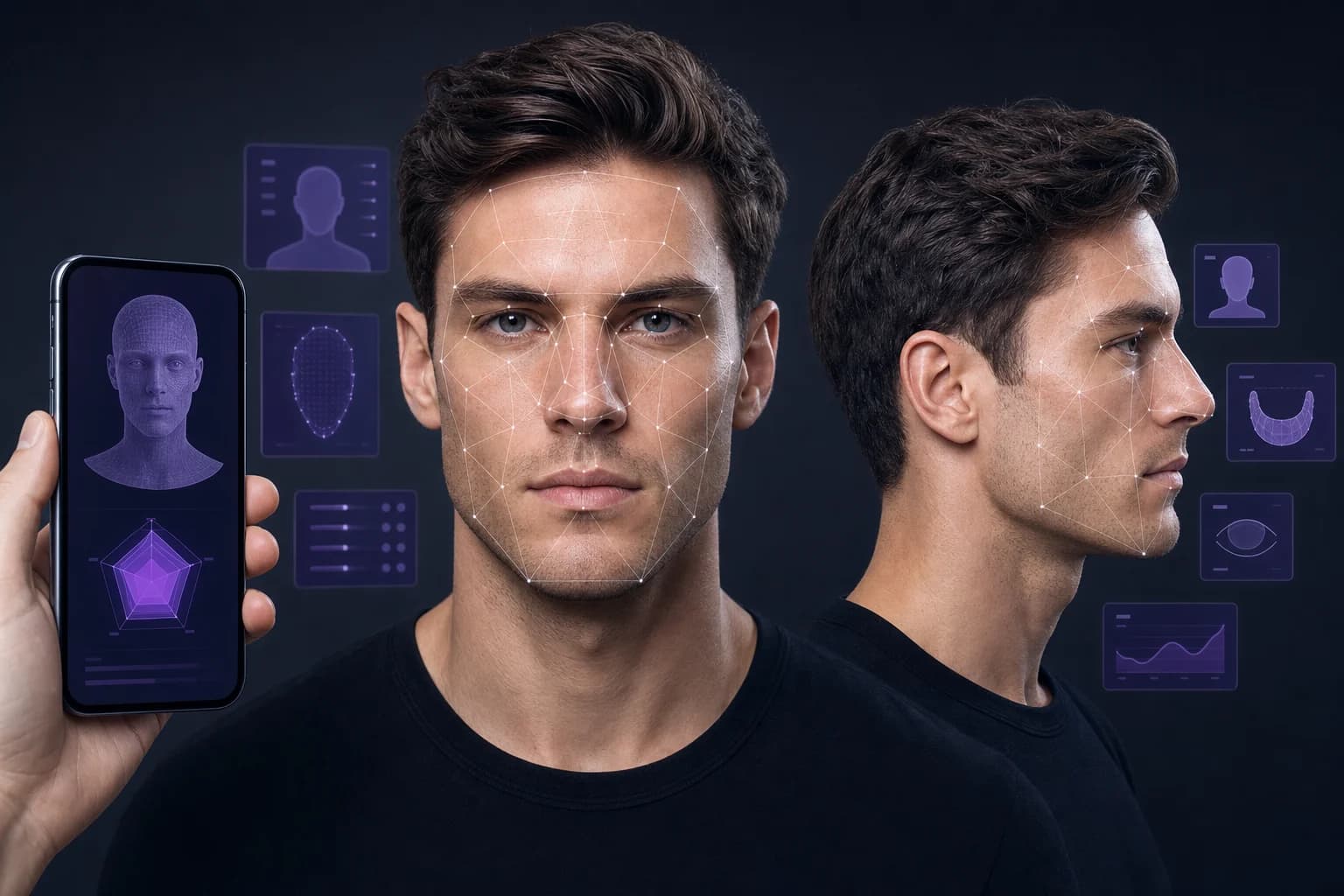
Use a neutral front photo and a clean side profile in even light. Lens distortion, expression and camera height can change the apparent jaw, midface and eye area more than most people expect.
Separate structure from presentation
Bone proportions are relatively stable. Hair shape, beard lines, skin condition, posture, body composition and photo setup are more responsive and should be reviewed independently.
Rank actions by leverage
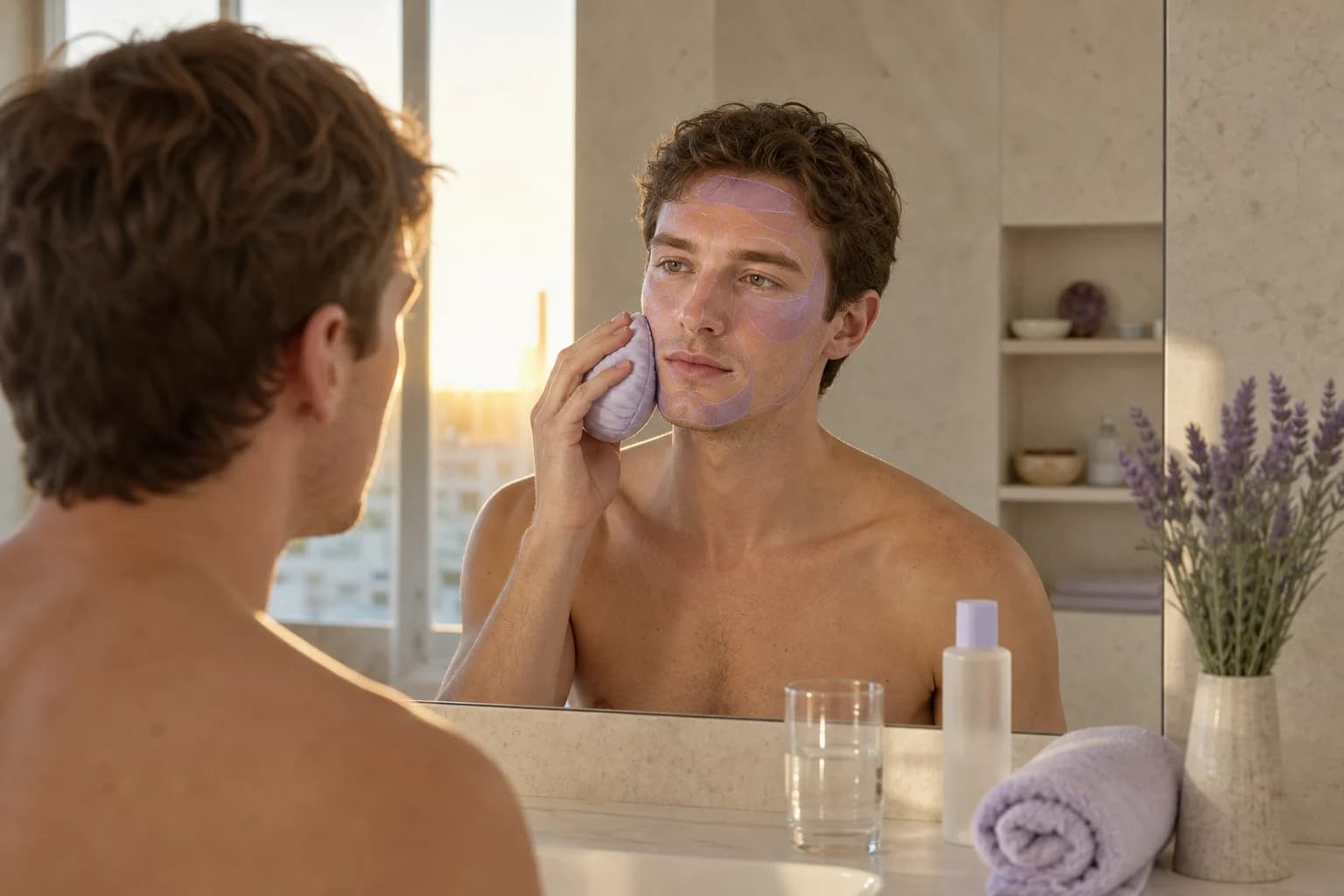
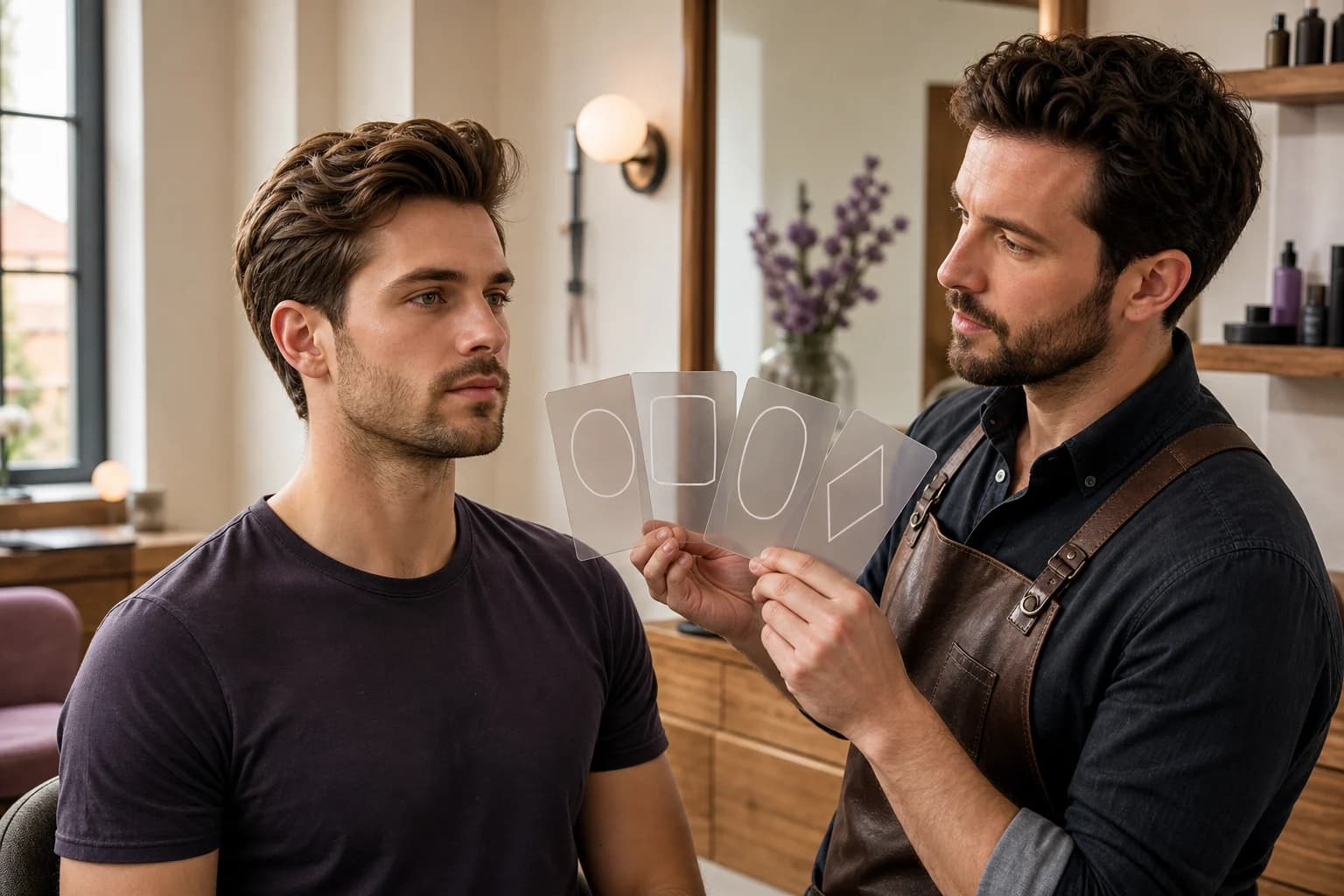
Prioritize changes that are low risk, repeatable and visible: sleep, skin basics, haircut shape, facial-hair boundaries, posture and clothing fit before speculative hacks.
How to interpret the result
What a score can summarize
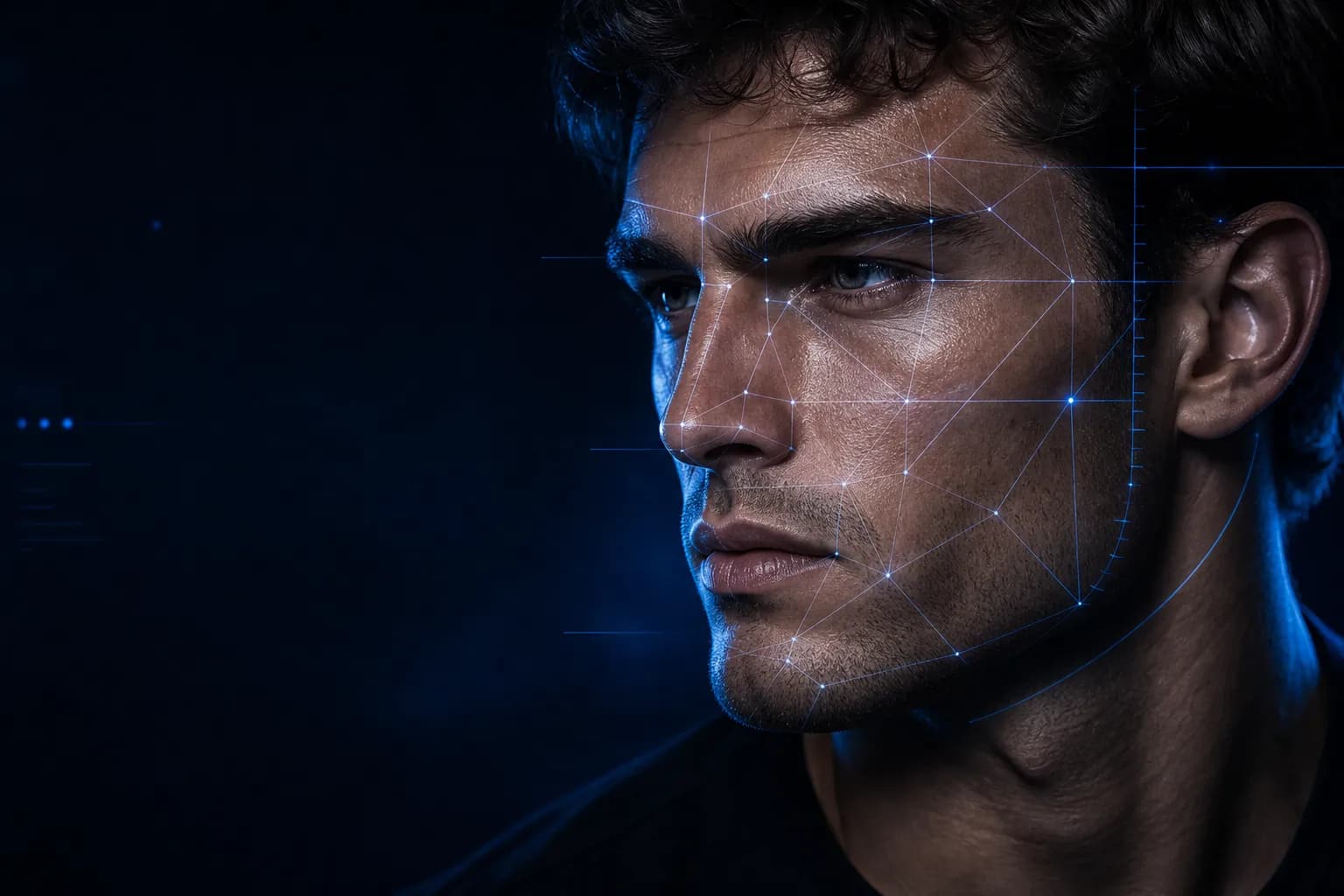
A score can make a dense report easier to scan. Used carefully, it can show whether an analysis sees relative strengths in areas such as facial balance, skin presentation, hair framing or profile definition.
What a score cannot prove
It cannot measure chemistry, movement, voice, expression, confidence or how you look across real distances and lighting. Decimal-level precision creates confidence the underlying photo does not support.
How to read category scores
Look for the category creating the recommendation, not the headline number. A lower hair-framing result suggests a different experiment from a skin-consistency or posture observation, even when the total FaceScore is identical.
Your practical action plan
Save a neutral baseline
Capture front and profile photos at eye level in soft daylight and keep the setup for future comparisons.
Choose one visible priority
Select the highest-leverage controllable area rather than trying to improve every category at once.
Run one four-week test
Give a haircut direction, basic skin routine, grooming change or posture habit enough time to produce readable evidence.
Review the evidence
Repeat the same photos, note what changed in person and keep only the actions that produced a useful result.
Quality checklist
- Front and profile photos match in angle and lighting
- Observations describe features instead of insulting the person
- Recommendations distinguish temporary, trainable and structural traits
- Progress is compared over weeks, not from one flattering photo
Limits and safety
PSL language can make normal variation sound like a defect. Avoid decimal precision, medical claims and permanent decisions based on one photo. Persistent skin, breathing, bite or swelling concerns belong with a qualified professional.
Sources and further reading
Bottom line
Use PSL as vocabulary for a calmer audit. The useful result is not a bigger number; it is a short plan you can follow and reassess with consistent evidence.