AI analysis guide
LooksMax AI Face Analysis: What a Useful Report Should Tell You
Compare LooksMax AI, Face AI, FaceLab and Max AI workflows by photo quality, transparent reasoning and the usefulness of the final plan.
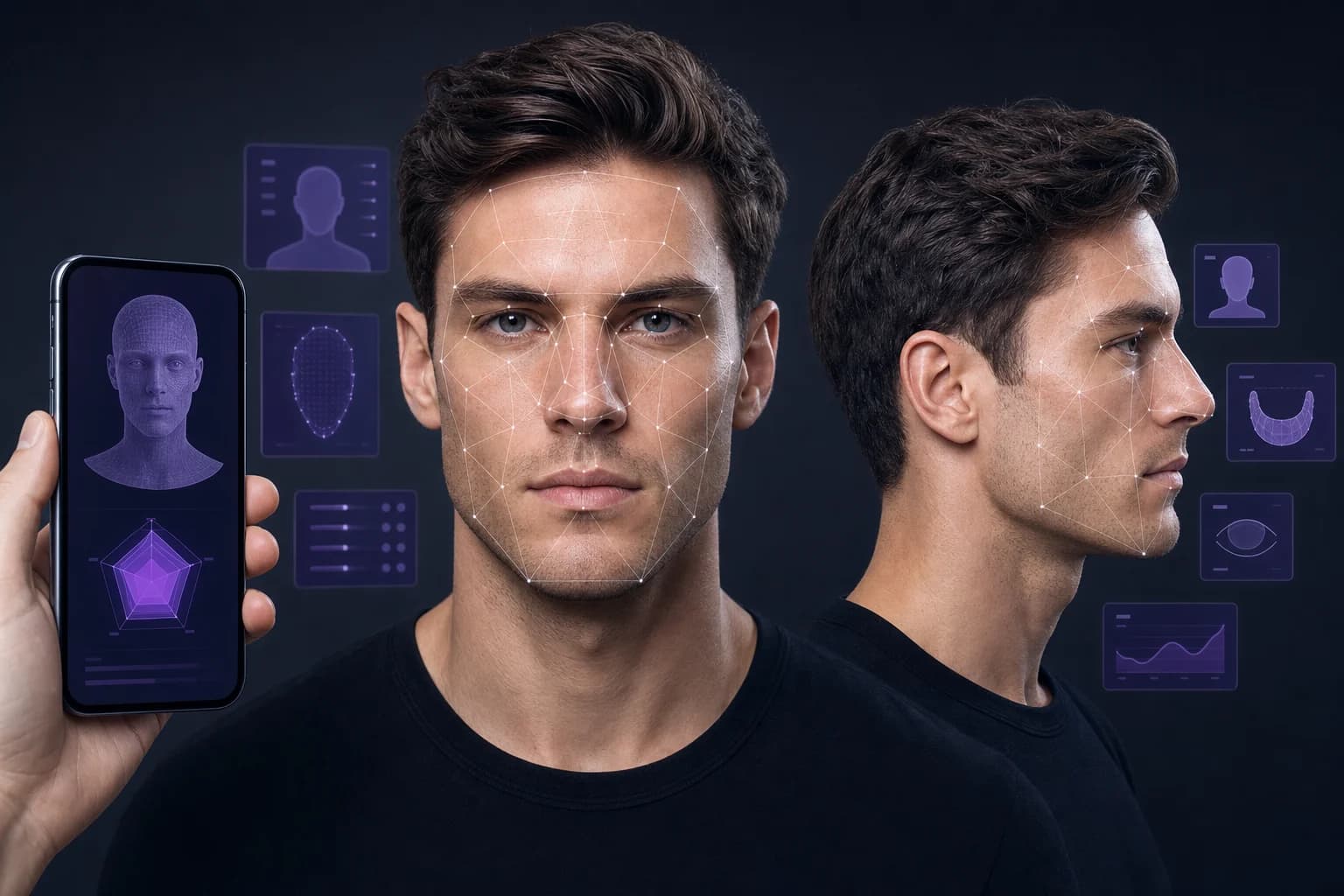
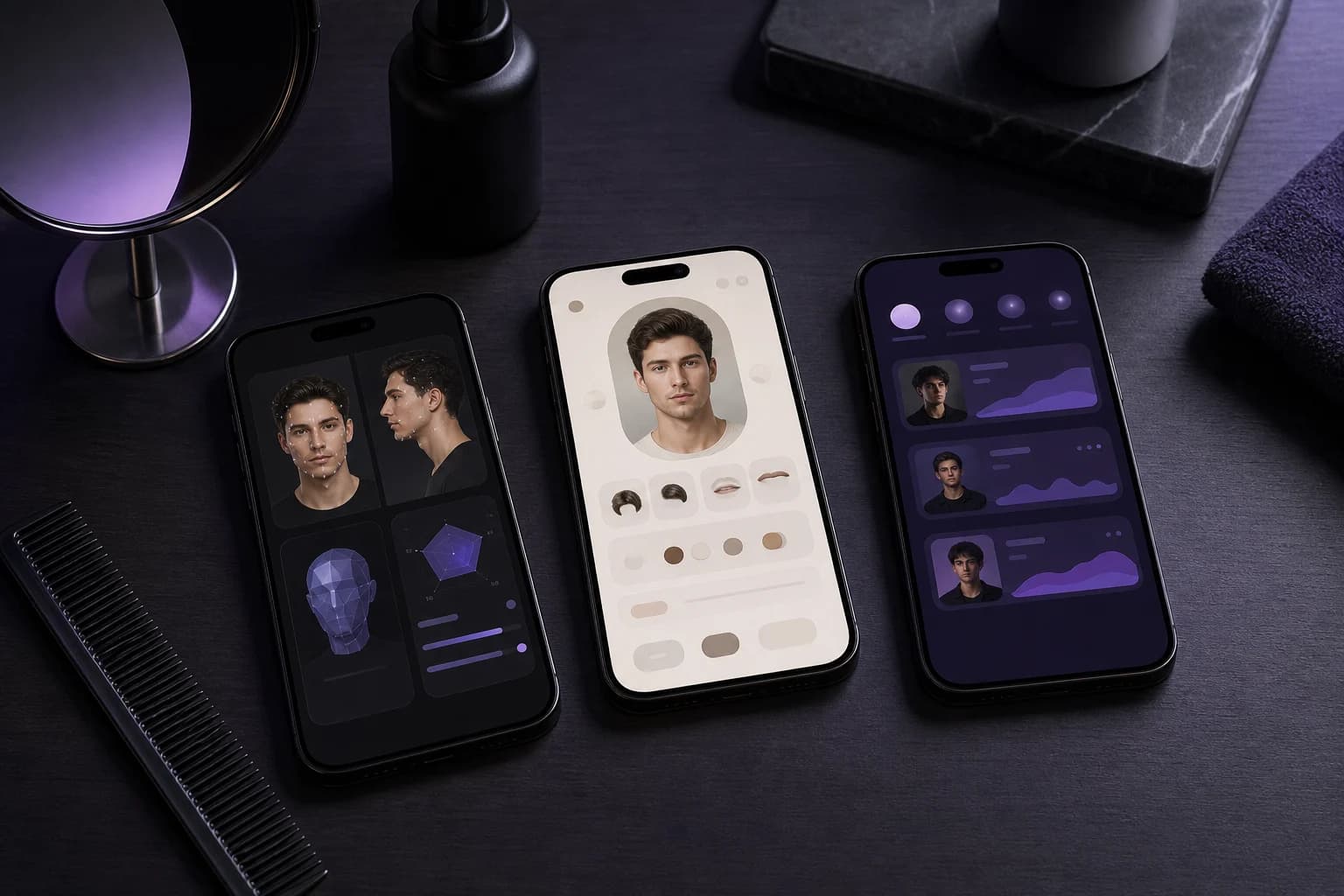
LooksMax AI can turn two portraits into a structured review, but the value depends on what happens after detection. A long list of scores is less useful than a small number of well-explained observations.
The strongest workflow connects every observation to an editable behavior, a realistic time horizon or a clear statement that the feature is mostly structural.
What the search terms mean
Whether a product is found through LooksMax AI, Face AI, FaceLab or Max AI, it should analyze front and profile views, explain uncertainty, separate changeable presentation from anatomy and produce a prioritized plan. MogRise does not claim affiliation with third-party brands associated with those terms.
A practical framework
Check the input first
The app should flag poor lighting, tilted heads, hidden hairlines and wide-angle distortion before interpreting the face. Weak input cannot support precise output.
Demand understandable reasoning
Recommendations should name the visual pattern they respond to, such as hairstyle width, beard boundary, skin consistency or profile posture—not merely show a score.
Look for a feedback loop
A plan becomes useful when tasks can be repeated, photographed and reviewed. Weekly tracking is more honest than a one-time rating.
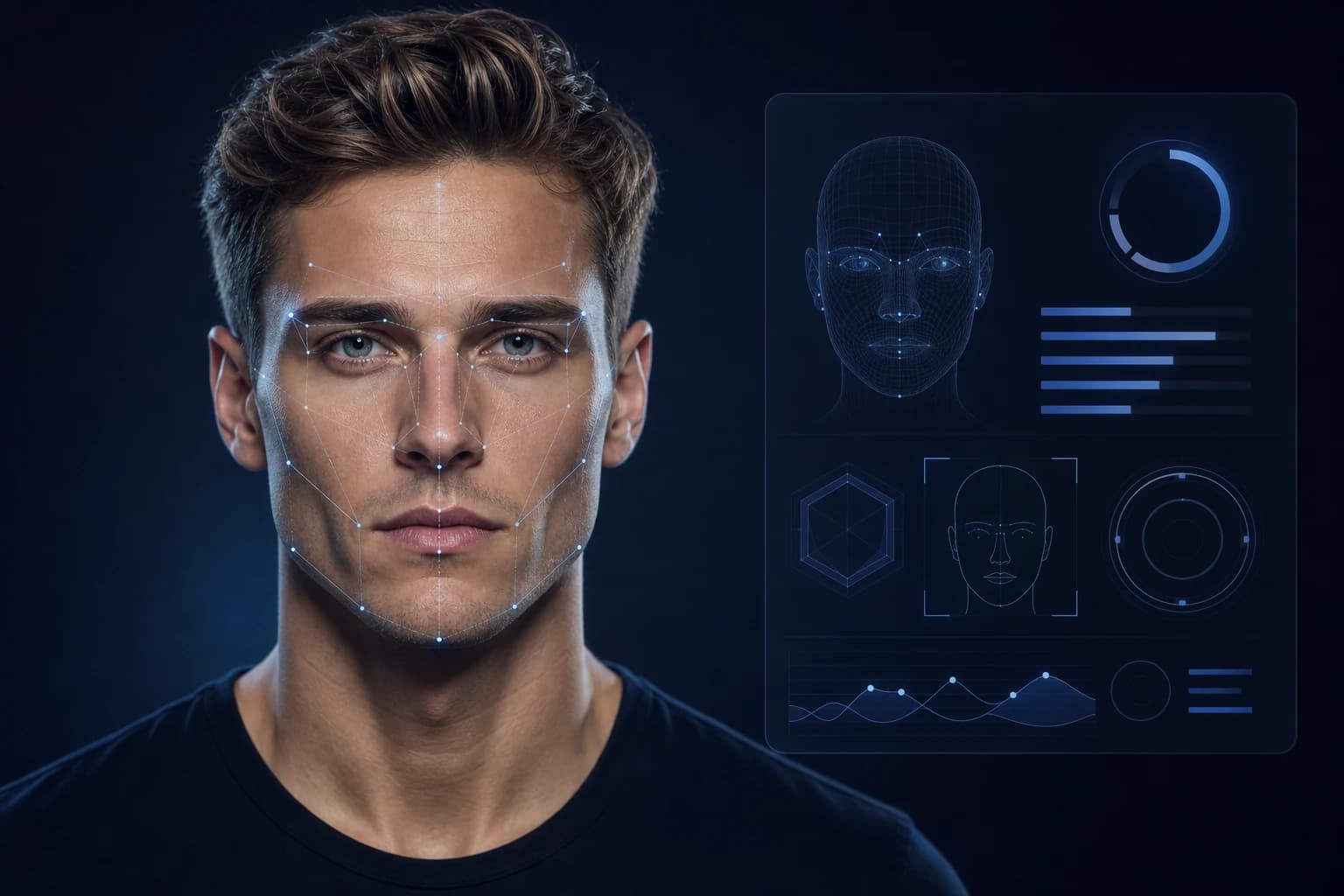
How to interpret the result
Input quality is part of the product
A trustworthy face AI should guide distance, angle, expression and light before analysis. If it accepts a tilted, filtered or wide-angle selfie without warning, the apparent precision of the report is misleading.
A report needs an evidence chain
Each recommendation should connect three things: the observed visual pattern, the intended effect and a realistic action. ‘Add controlled width at the temples to balance a longer face’ is more useful than ‘improve hair.’
Priorities matter more than volume
Twenty generic recommendations create a longer report, not a better one. The best analysis identifies the first few changes with the strongest combination of visibility, safety, effort and fit with your goals.
Your practical action plan
Retake weak inputs
Correct lighting, lens distance and head position before trusting any category score or proportion note.
Translate every result
For each observation, write down what it means visually and which controllable action could respond to it.
Sort by effort and time
Separate quick grooming decisions, four-week routines and long-term fitness or style goals so expectations stay realistic.
Schedule the next check-in
Choose a date and repeat the same capture setup; otherwise the report remains information instead of a feedback loop.

Quality checklist
- Front and profile analysis are clearly separated
- Each recommendation states why it may help
- High-effort actions are not presented as instant fixes
- The app supports consistent progress photos
Limits and safety
AI sees pixels, not your medical history, self-perception or full social presence. Treat its output as planning support. Do not use it to diagnose skin disease, jaw function, breathing problems or mental-health concerns.
Sources and further reading
- Framework for reducing bias in AI facial-aesthetic evaluationJournal of Medical Internet Research / PubMed ↗
- How facial expressions affect AI attractiveness scoresOrthodontics & Craniofacial Research / PubMed ↗
- Nasal distortion in short-distance photographs: the selfie effectJAMA Facial Plastic Surgery / PMC ↗
Bottom line
Choose LooksMax AI for clarity and follow-through: better inputs, transparent observations, prioritized actions and a repeatable way to check progress.