
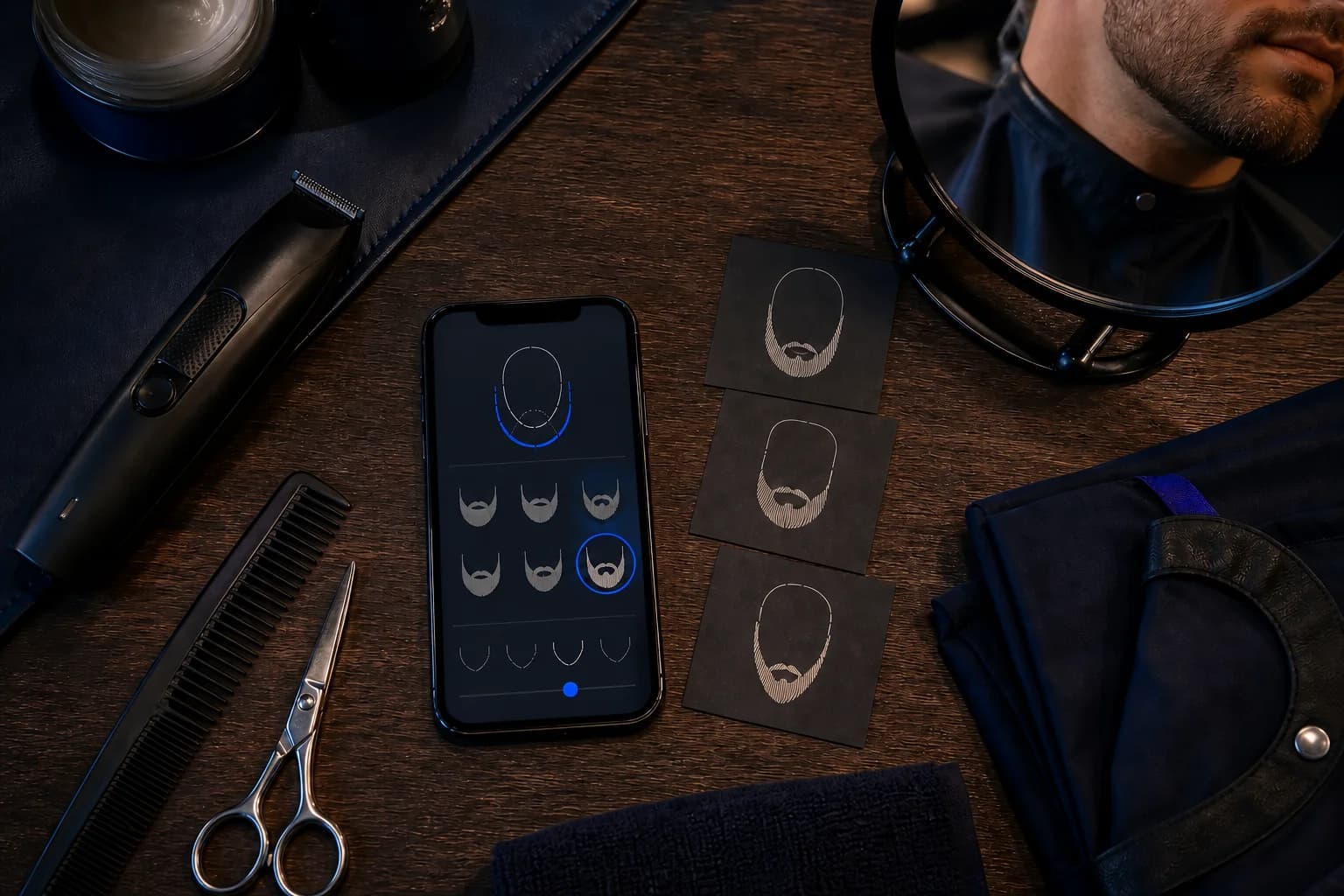
Finding the best beard style for your face shape is not about matching one label to one fashionable beard. A beard changes the outline around your cheeks, jaw and chin. It can add length, preserve width, create cleaner corners or keep a naturally strong jaw visible. The right choice begins with the effect you want and the facial hair you can shape consistently.
MogRise turns that choice into a clear LooksMax AI workflow. You review the face from the front and side, read how the lower face fits with the hair, neck and shoulders, then test beard directions on the same portrait. Instead of guessing between dozens of styles, you compare a few distinct options and build the winner into a practical grooming routine.
Choose the best beard style for your face shape by visual effect
Start with a simple question: should the beard add length, add width, sharpen the outline or reveal more of the jaw? That decision is more useful than forcing your face into a perfect category. A round face may benefit from tighter sides and a little more chin length, while a long face often looks more balanced when the beard keeps some fullness through the sides and avoids an exaggerated point.
Look at the relationship between forehead, cheekbones, jaw and chin in a neutral front photo. Then check the profile for chin projection, neckline, neck posture and the way facial hair grows below the jaw. These two views tell you where a beard can create a stronger frame. They also stop a flattering camera angle from becoming the entire basis of your choice.
Write the desired effect in one sentence before selecting a style. For example: keep my jaw visible, make the lower face look slightly longer, add structure around a narrow chin or connect the haircut and beard into one sharper silhouette. This sentence becomes your filter when you compare stubble, short boxed beards, fuller shapes, goatees or a clean-shaven direction.
- Add length with controlled chin emphasis
- Add width with balanced fullness through the sides
- Sharpen the frame with deliberate cheek and neckline edges
- Reveal a strong jaw with stubble or a compact beard
- Match the beard silhouette to the haircut and shoulders
Use front and profile views before trusting a face-shape label
A front view shows where the face is widest, how the cheeks transition into the jaw and whether the chin already creates enough length. Use soft, even light and hold the camera at eye level. Keep the lens far enough away for natural proportions, move hair away from the sides of the face and use a relaxed expression so the beard decision is based on a clean baseline.
The profile adds information the front view cannot show. It reveals how far the chin and beard project, where the underside line should sit, how the neck meets the jaw and whether extra length under the chin would strengthen or overload the silhouette. A style that looks balanced from the front can become too heavy from the side, so both views belong in the same decision.
MogRise uses front and profile context as part of the wider facial analysis. FaceScore and PSL scale language can help organize what you see, but the useful output is the style direction: where to keep density, where to taper, which edge to define and how the beard should connect with hair, skin presentation, posture and clothing.
Match the beard plan to your real growth pattern
The best theoretical shape only works when your facial hair supports it. Check density on the moustache, chin, jaw, cheeks and connectors after enough growth to see the pattern. Dense chin growth with lighter cheeks can suit stubble, a goatee family or a short shape that keeps attention near the center. Even cheek growth gives you more freedom to build width and a complete boxed outline.
Use the strongest areas rather than designing around gaps you cannot maintain. A slightly lower natural cheek line can look intentional when it is kept clean and repeated on both sides. A strong moustache can become part of the identity of the style. If the neckline grows densely, it gives the barber material to create a stable lower border instead of forcing the edge directly onto the jaw.
Maintenance matters as much as density. Decide how often you are willing to trim, line up edges and style longer hair. A precise fade into the beard needs more frequent upkeep than uniform stubble. A full beard needs regular shaping so its intended proportions remain visible. Choose the version you can reproduce on an ordinary morning, not only after a barber appointment.
- Map density across cheeks, chin, moustache and connectors
- Build the style around your strongest growth zones
- Keep natural lines clean instead of drawing unstable edges
- Choose a length your routine can maintain
- Plan how the style will look between trims
Compare beard directions for round, square, oval and long faces
For a round or relatively short face, a beard can create vertical direction. Keep the side volume controlled, preserve a clean transition at the cheeks and allow modest extra length toward the chin. A compact ducktail, a tapered short beard or defined stubble with a slightly stronger chin area can make the outline read longer without turning the beard into an oversized point.
For a square face, decide whether you want to showcase or soften the jaw. Short stubble and a neat boxed beard preserve the natural corners and keep the lower face crisp. A fuller beard with a gently rounded bottom can soften a very angular outline. For an oval face, many shapes work, so growth pattern, haircut, maintenance and personal style become the deciding factors.
For an oblong or long face, avoid adding unnecessary length below the chin. Keep the bottom compact and retain controlled fullness through the sides to create width. Heart, diamond and triangle shapes benefit from the same effect-based approach: look at where the face narrows or widens, then place beard volume where it creates the balance you want rather than following a rigid chart.

Use an AI beard preview as a decision tool
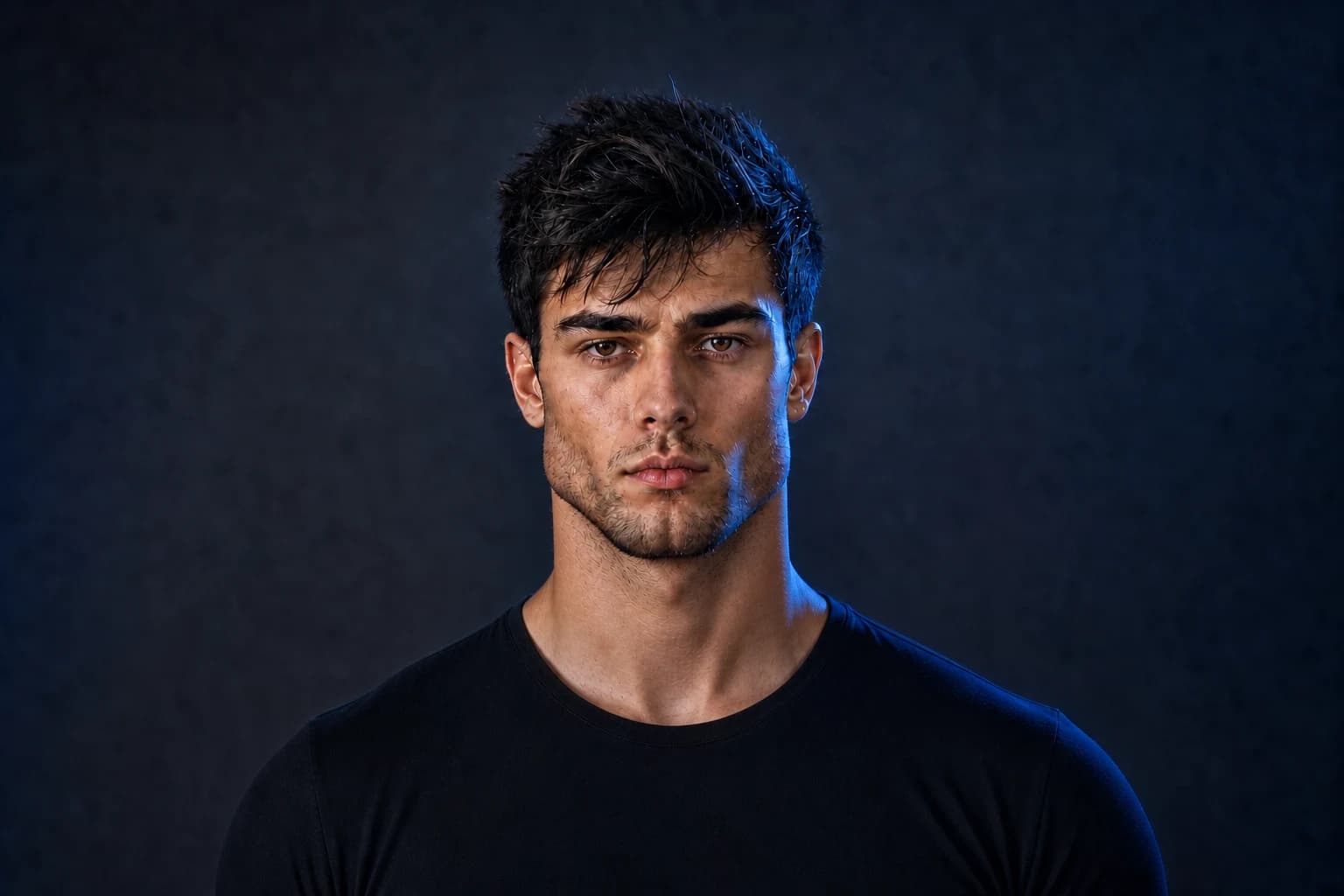
An AI beard preview is most useful when the options are meaningfully different. Compare clean-shaven, stubble, a short boxed beard and one fuller or chin-led direction on the same clear portrait. If every preview differs by only a few millimeters, the comparison will not answer the larger question about length, width, jaw visibility or overall character.
Study the full frame instead of staring only at the beard texture. Notice how each option changes the apparent cheek width, the transition into the neck, the balance with the hairstyle and the contrast against the skin and clothing. The winning direction should strengthen several relationships at once. It should also look coherent in both front and profile views.
MogRise connects beard previews with your LooksMax AI report and wider style plan. Save a small shortlist, compare it slowly and describe the principles you prefer: tighter sides, stronger chin, cleaner cheek line, softer bottom or more visible jaw. Those notes are easier to use with a barber than a vague request to make the face look sharper.
Set the cheek line and neckline to support the jawline
The cheek line controls how much visual weight sits in the upper beard. A naturally high line can make a beard feel fuller, while a lower clean line creates more open skin around the cheeks. Follow the growth pattern first, then remove only the hairs that blur the chosen border. A stable line that suits your density looks stronger than an artificially high edge that becomes difficult to repeat.
The neckline gives the beard its lower foundation. From the side, it should create a deliberate transition under the jaw and toward the neck. Shaving directly on the visible jaw can make the beard look narrow and remove useful depth. Leaving every neck hair untouched hides the shape. The goal is a clean boundary that supports the intended chin length and still looks natural when you turn your head.
Check both lines from normal viewing distance after trimming. Small asymmetries that feel dramatic in a magnifying mirror may disappear in the complete face, while a tilted neckline can remain obvious in photos. Use the front and profile baselines from your FaceScore review to keep the geometry consistent without overworking every individual hair.
- Respect the natural cheek line and clean its border
- Keep enough depth below the jaw for a solid outline
- Check symmetry from normal distance
- Review the neckline from the side as well as the front
Pair the beard with haircut, skin presentation and posture
A beard never works in isolation. Hair volume changes the apparent length and width of the head, so the haircut should support the same visual direction. A rounder face may combine controlled beard sides with height and texture above. A long face may look stronger with less height on top, more balanced side structure and a beard that stays compact at the bottom.
Clear skin presentation and a tidy border increase contrast around the beard. Keep the area beneath the facial hair clean, brush or comb longer growth in one direction and remove loose hairs that break the silhouette. The goal is not a painted-on edge; it is a deliberate transition between skin, hair and beard that reads clearly in everyday light.
Posture completes the jaw and neck frame. An upright torso, relaxed shoulders and a neutral head position let the chosen neckline appear as designed. Fitted dark clothing can create a cleaner shoulder-to-neck transition and keep attention on the face. These supporting choices explain why a full Glow Up comparison can feel more dramatic than changing beard length alone.
Turn your winning beard preview into a four-week grooming plan
In week one, capture the baseline and choose two clearly different beard directions. Decide which effect you want, record your current lengths and let the relevant areas grow enough to evaluate density. If you are moving from clean-shaven to a fuller shape, avoid defining the final cheek and neckline too early; first collect the material the shape needs.
In week two, create the main silhouette. Set the side length, chin length and lower border, then photograph the result with the same front and profile setup. During week three, refine the cheek transition, moustache, connectors and haircut relationship. Keep the main proportions stable so each adjustment has a visible purpose.
At the end of week four, compare the new photos with your starting point and the saved MogRise preview. Ask whether the beard produced the intended effect, whether maintenance fits your schedule and whether the complete frame looks stronger. Keep the successful direction, note the exact guard lengths and barber instructions, then move the next LooksMax priority into focus.
- Week 1: baseline, growth map and two preview directions
- Week 2: establish side, chin and neckline proportions
- Week 3: refine edges and connect the haircut
- Week 4: recreate photos, compare and record the formula