
A free PSL scale test can give you a quick starting point for facial analysis, but the photo and the explanation matter as much as the final number. A close selfie, tilted head or dramatic light can change how the jaw, nose, eyes and face width appear. Clean input makes the PSL score easier to read and easier to compare later.
The strongest workflow moves beyond the score. You record a repeatable baseline, review the categories behind it and translate the clearest opportunity into hair, beard, skin presentation, posture, clothing or photo actions. MogRise is designed to connect those steps through LooksMax AI and a personal Glow Up plan while keeping the free intent honest: the app is being prepared as a free download, and its App Store link will follow when the listing is available.
Know what a useful free PSL scale test should show
A useful test gives you more than a decimal. It explains which visible categories influenced the result, how the input photo affected the reading and what you can do next. Look for separate observations about overall balance, profile, jaw and chin presentation, eye area, skin presentation, hair framing and symmetry rather than one unexplained score.
The PSL scale is an online rating convention, so tools may use different ranges and definitions. Compare the explanation inside one tool before comparing numbers across several sites. A six in one system may not represent the same category mix as a six elsewhere. Consistency is more useful than collecting the highest result.
Free should also be described clearly. Check what you receive before an account, payment screen or upgrade: a headline PSL score, a category preview, a complete report or a limited scan. MogRise is planned as a free iPhone and iPad download with optional purchases or subscriptions for selected features or usage levels; it does not promise unlimited free analysis or a live App Store listing today.
Prepare the right photos for a free PSL score
Start with a front photo in soft, even light. Place the phone at eye level, step back and use the rear camera when practical. Keep your full hairline, ears, cheeks and jaw visible. Look into the lens with a relaxed brow, closed lips and an unclenched jaw. Remove filters, portrait effects and beauty retouching.
Add a true side profile when the tool supports it. The profile shows chin projection, jaw-to-neck transition, nose silhouette, forehead line and head posture that a front view cannot fully explain. Stand naturally and look at a mark at eye level. Do not lift the chin to sharpen the jaw or pull it back to change the profile.
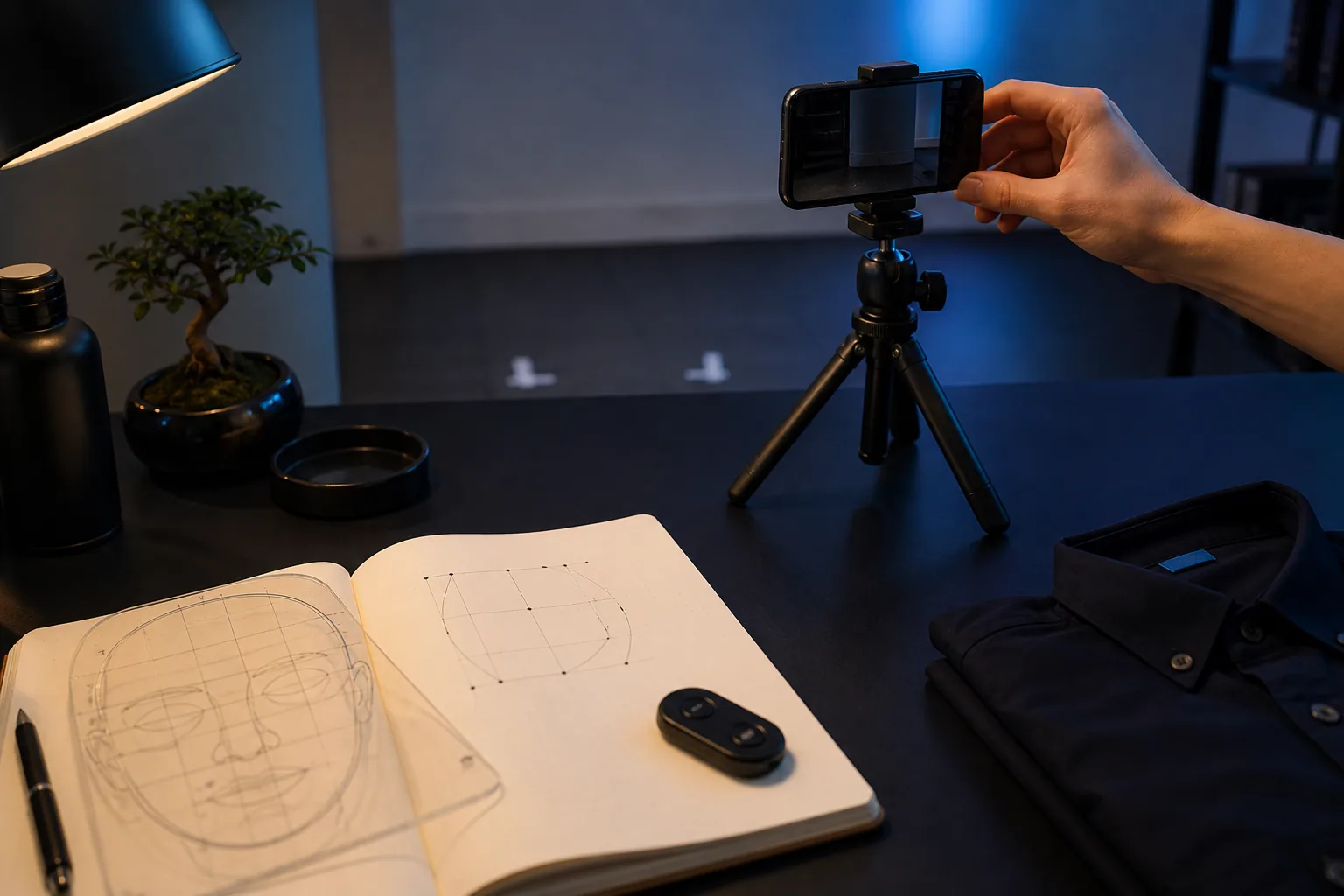
Save the physical setup before uploading. Mark the floor position, note the camera height and distance, and remember which light and lens you used. Wear a simple fitted dark top so the neck and shoulder frame remain readable. These details let your next free PSL scale test compare presentation changes rather than a completely different photograph.
- Unfiltered front photo at eye level
- Optional true profile in the same light
- Enough camera distance for natural proportions
- Relaxed expression with the complete face visible
- Saved lens, height, distance and floor position
Reduce selfie distortion before the PSL scale reads your face
Camera distance changes apparent proportions. Research on short-distance portraits found that close photography can make the nose appear larger relative to the rest of the face. The practical fix is simple: move the camera farther away and crop afterward. Do not fill the frame from arm's length when you want a neutral facial-analysis baseline.
Keep the phone level in both directions. A camera below the eyes can enlarge the jaw and nostrils, while a high camera can reduce the lower face. A small head turn changes the visible width of the cheeks and jaw. Use a tripod, shelf or helper, then align the lens with your eyes and keep both sides of the face equally visible.
Light should reveal the face without redesigning it. Face a window or use a broad lamp near the camera. Avoid one hard side light, bright light directly overhead and deep shadows under the eyes or chin. The hero photo setup for this guide uses a tripod, remote and standing marks because repeatability creates a more useful PSL score than a spectacular selfie.
Read a free PSL scale test by category, not only by number
Begin with the written observations behind the overall PSL score. Mark which notes describe stable facial proportions and which describe presentation you can change. Hair shape, beard contour, eyebrow grooming, skin consistency, posture, clothing fit and photo quality can all change the complete impression without requiring you to chase a different facial structure.
Then rank the controllable categories by impact, effort and maintenance. A haircut that improves the frame around the temples may influence balance, forehead presentation and profile at once. Precise stubble may clarify the lower face with less daily effort than a full beard. Better sleep timing and a simple skin routine may improve the rested quality of every photo.
Use FaceScore and LooksMax AI language as an organizing layer. The headline score tells you where the report begins; the categories tell you which experiment to run. Hide the number for a moment and ask whether the explanation still points to a clear action. If it does, the free PSL scale test has produced something you can use.
The most useful PSL score is the one that leads to a specific, repeatable next action.
Turn your PSL score into two high-impact priorities
Choose one visible upgrade and one supporting routine. The visible upgrade could be a structured haircut, a different beard boundary, a fitted neckline or a more upright photo posture. The routine could be five minutes of styling, scheduled beard maintenance, a basic morning and evening skin routine or a consistent sleep window.
Write each priority as a behavior with a frequency and a review date. Replace “improve hair” with “style controlled volume for five minutes each morning and photograph it every Sunday.” Replace “better jawline” with “keep short stubble, clean the neckline twice weekly and use the same side-photo posture.” Specific language turns analysis into momentum.
Keep the rest of your presentation stable while the test runs. If hair is the main variable, do not change beard length, camera angle and clothing at the same time. MogRise can place the active task inside a broader Glow Up plan so the remaining ideas stay available without competing for attention during the current cycle.
- One obvious presentation upgrade
- One routine that supports it
- A schedule you can repeat
- A fixed photo setup
- A date for the next review
Build a four-week plan from the free PSL scale test
In week one, save your front and profile baseline, read every category and select the two priorities. Complete any one-time setup such as booking a haircut, choosing a beard guard, preparing a simple skin routine or adjusting the camera position. Take notes about the intended visual effect rather than trying to raise a number immediately.
During weeks two and three, repeat the routine and capture one matched photo set per week. Weekly images are frequent enough to check execution without letting daily lighting changes dominate the decision. Note whether the action is easy to maintain, whether it supports your strongest features and whether it improves the complete hair-face-neck-shoulder frame.
In week four, reproduce the original photos and compare them at the same size. Review the visible change first, then run the PSL scale test again if the same tool and conditions are available. Keep the action that produced the strongest complete improvement and move the next MogRise priority into the active position.
Compare repeat PSL scores without chasing daily changes
Small score movements can come from expression, focus, crop or light. Treat them as photo variation until the visual pattern repeats. Compare front view with front view and profile with profile. Keep the face at the same size in the frame and examine haircut outline, beard edges, eye-area presentation, skin finish, neck line and shoulder posture together.
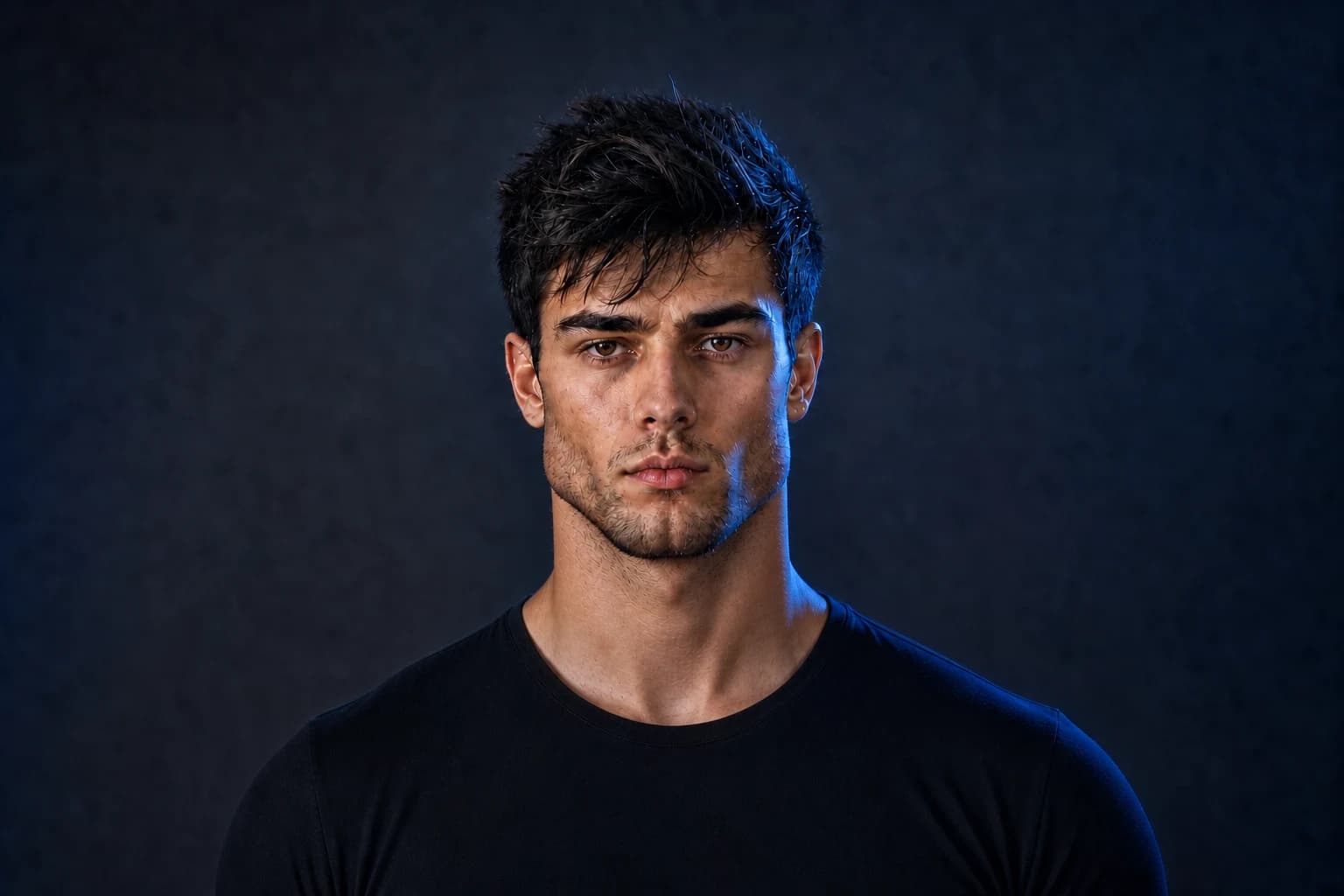
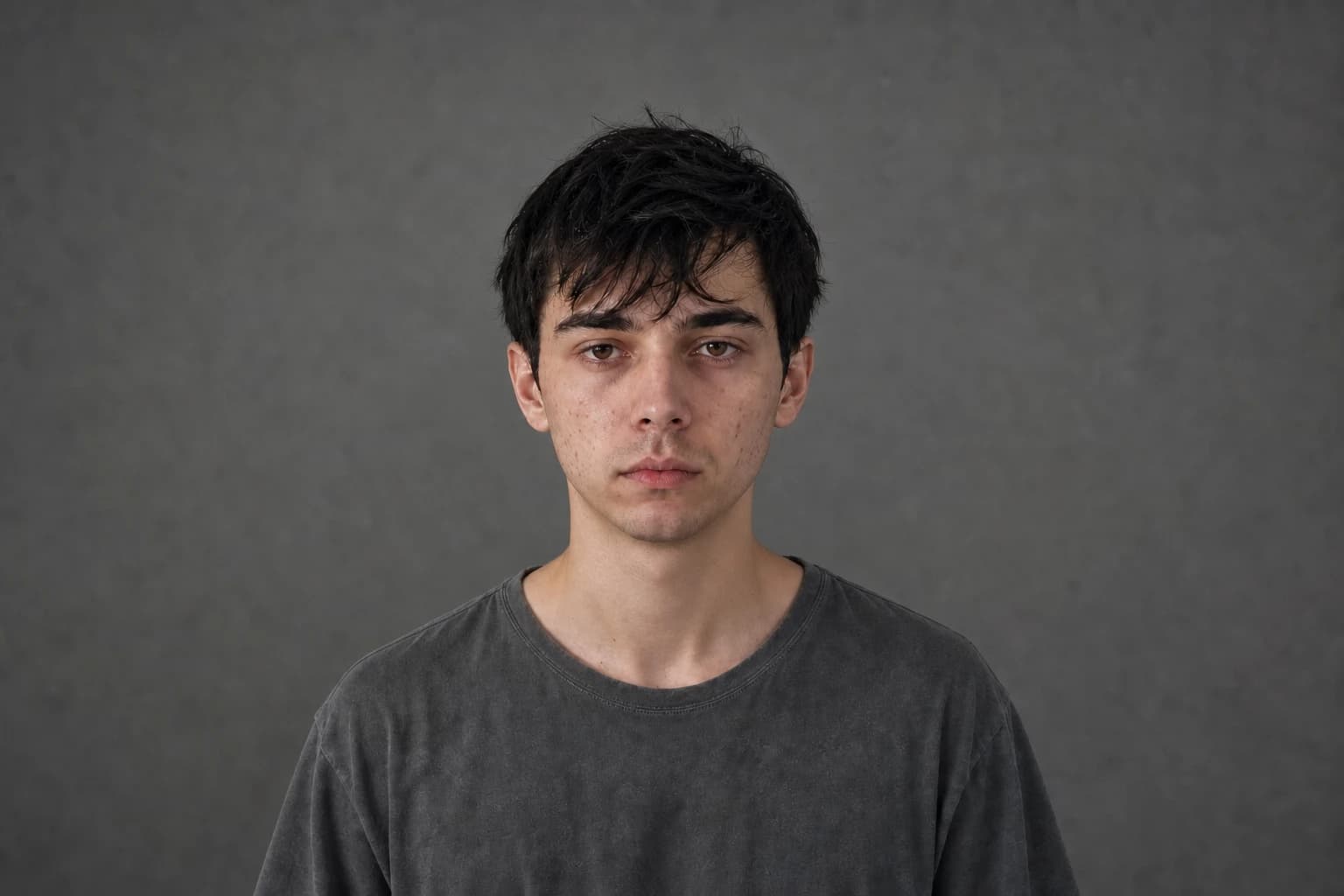
The shared comparison in this article makes that principle obvious. The strongest after image coordinates premium high-volume hair, precise masculine stubble, a rested eye area, polished natural skin, upright posture, stronger shoulders, fitted dark clothing and jaw-defining light while keeping the identity and crop aligned. A complete frame reads more clearly than a tiny isolated edit.
Do not retake a free PSL scale test repeatedly until the number rises. Use the same baseline long enough to learn from it. A monthly review gives grooming and presentation habits room to become visible, while a daily score invites you to confuse camera noise with progress. The purpose is a better decision, followed by a better routine.
Use MogRise to continue after a free PSL scale test
MogRise connects the starting score with front and profile analysis, FaceScore context and controllable priorities. Hair, beard, skin presentation, Depuff AI, JawMax, posture, clothing and photo quality can sit inside one personal plan. That prevents a single low category from taking over the entire Glow Up direction.
The app is being prepared as a free download for iPhone and iPad. Selected capabilities or usage levels may include optional in-app purchases or subscriptions, and the App Store link will be added when the listing is available. Until then, this guide gives you the complete zero-cost workflow: capture, read, prioritize, act and compare.
Finish by choosing the next smallest useful step. Set the phone position, schedule the haircut, define the beard line, prepare the simple routine or select the fitted dark top for your baseline. A free PSL scale test becomes valuable when it starts a clear loop and MogRise keeps that loop focused on your true potential.