

Should men wash hair every day? Some can, especially when the scalp becomes oily or dirty by the end of the day, but daily shampoo is not a universal requirement. Straight fine hair may show oil quickly, while dense curls, longer hair or a dry scalp can feel better with more time between shampoos. Judge the roots, scalp comfort, sweat and product buildup—not masculinity, a viral rule or an arbitrary number of weekly washes.
A useful schedule leaves the scalp comfortable and the hair manageable without forcing you to hide grease or tolerate dryness. This guide shows how to read those signals, adjust after exercise, use shampoo without rough handling and test a routine for two weeks. It is general grooming information, not a diagnosis. Persistent itching, pain, sores, sudden shedding or severe scaling deserves advice from a qualified health professional rather than endless product changes.
Should men wash hair every day or wait?
The American Academy of Dermatology advises washing according to how quickly hair becomes dirty or oily. Someone with straight hair and an oily scalp may reasonably shampoo every day. Another person with coarse, tightly curled or dry hair may need far less frequent cleansing because oil travels down the strand differently and the lengths lose moisture more easily. Hair length, climate, headwear, work and styling products also change the answer. There is no hygiene prize for enduring uncomfortable roots or for shampooing on a rigid calendar.
Begin with what happens within twenty-four hours. Do the roots separate, look glossy and lose lift? Does the scalp feel comfortable, tight, itchy or coated? Can you smell sweat after work or training? Then inspect the lengths: flexible and calm, or rough and brittle? A schedule is working only when scalp and hair both tolerate it. One good week matters more than a rule copied from someone whose texture, job and products are completely different.
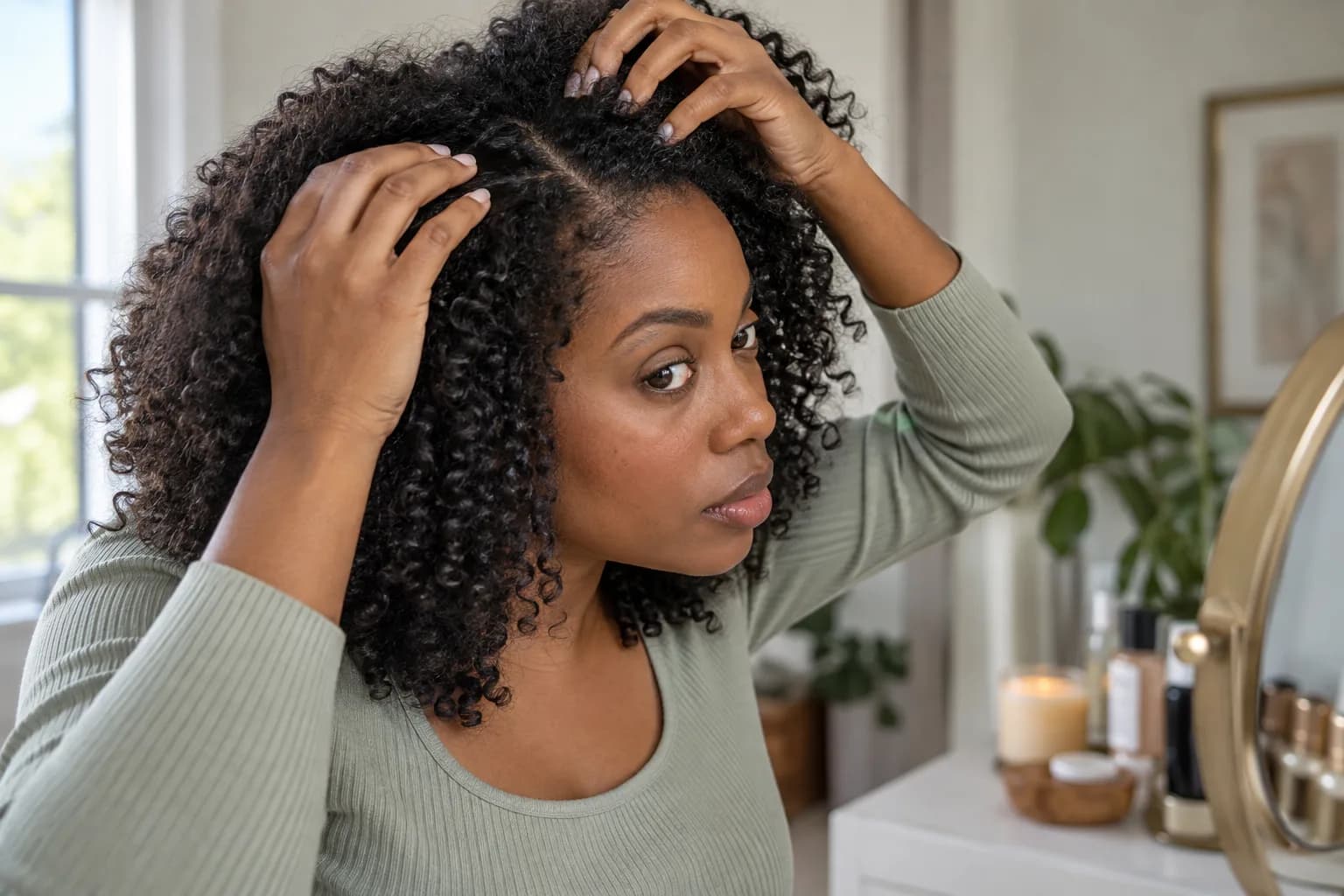
Use oil and buildup as your main timing signals
Sebum is not dirt, yet excess oil can hold onto sweat, environmental debris and styling residue. If roots appear stringy, a hat leaves a persistent odor or the hair no longer responds to normal styling, washing is reasonable. Fine straight strands often display the same amount of oil more visibly than thick curls. A matte product, wax or heavy leave-in can create a coated feeling even when the scalp itself is not especially oily, so consider everything applied since the last shampoo.
Do not wait for dramatic discomfort just to train the scalp. Evidence does not support the idea that every scalp must learn to produce less oil through prolonged avoidance of shampoo. Equally, do not assume one slightly flat morning demands a harsh cleansing formula. Brush or restyle if that solves the problem; wash when the roots or scalp actually need cleaning. Record the interval rather than judging yourself. After several cycles, your ordinary pattern will become obvious.
Dry, curly and longer hair often needs a different rhythm
Curves in a hair strand slow the movement of oil from scalp to ends. Longer hair also has older lengths that have endured more washing, friction and heat. This can create oily roots and dry ends at the same time. The solution is not necessarily to leave the scalp dirty. It is to concentrate shampoo on the scalp, rinse the lather through the lengths and use conditioner where the hair feels dry. Tightly curled hair may need a much wider interval than short straight hair.
Choose the first schedule from the scalp, then protect the lengths. If curls lose definition, feel brittle or tangle after each wash, add a day between shampoos or use a gentler cleanser while keeping the scalp clean enough. If the roots become uncomfortable before the ends need washing, apply conditioner mainly from mid-length downward. Avoid copying a daily routine designed for cropped hair when you have shoulder-length curls. Texture and condition change the method as much as frequency.
Sweat after a workout does not always require shampoo
Sweat contains water and salts; it can leave roots damp, flat or gritty, especially under a cap or helmet. After a light session, a water rinse and thorough drying may be enough if the scalp feels clean and no styling product remains. After heavy sweating, swimming, dirty outdoor work or close-fitting headwear, shampoo may be the more comfortable choice. Decide from the actual residue and odor rather than treating every workout as identical.
If you train daily, frequent washing can still be managed gently. Use lukewarm water, massage rather than scratch, and dry the scalp instead of leaving it damp under a hat. Alternate a normal wash with a rinse only when the rinse genuinely works for you. Pool users should rinse promptly to remove pool water and follow the facility's care guidance. Exercise is good for health; a hair routine should fit it rather than making movement feel inconvenient.

Shampoo the scalp without scrubbing the lengths
Wet the hair thoroughly, then place a modest amount of shampoo across several scalp areas rather than piling it on one spot. Use fingertips—not nails—to massage the skin gently. Focus on the hairline, crown and areas that collect product. The foam that runs through during rinsing is often enough for the lengths. Vigorous rubbing tangles strands and does not make the scalp meaningfully cleaner. Rinse until the roots no longer feel slippery with product.
Conditioner belongs where it solves a problem. Short fine hair may need little or none near the roots; curly, coarse or longer hair may benefit through the mid-lengths and ends. Pat or squeeze with a towel rather than sawing the hair back and forth. High heat is optional, not the definition of clean. A careful daily wash can be kinder than an occasional aggressive scrub, so technique must be assessed alongside frequency.
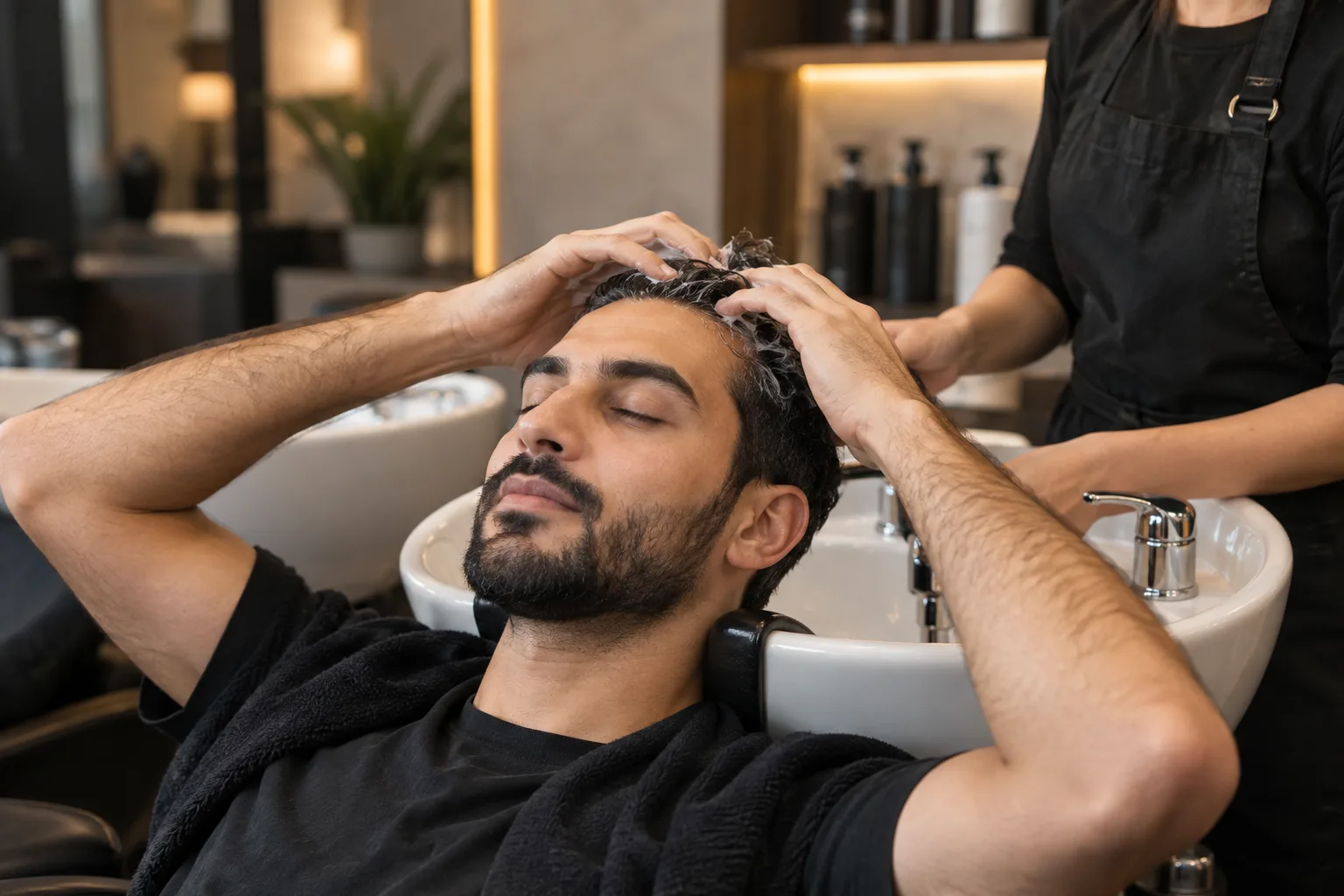
Account for clay, paste, wax and dry shampoo
Styling products change the schedule because they can remain on hair and collect at the roots. A small amount of light cream may rinse easily, while waxy paste, heavy clay or repeated dry shampoo can build a dull, stiff layer. Do not add more product each morning to compensate for yesterday's residue. When the style stops behaving, wash thoroughly with your normal shampoo before reaching for an unnecessarily harsh cleanser.
Dry shampoo absorbs some visible oil but does not replace water and shampoo indefinitely. Apply it sparingly, follow its directions and wash when the scalp feels coated. If you use strong-hold products most weekdays, note whether the wash interval is really being determined by the product rather than natural oil. Reducing the dose may keep the intended finish while making the routine easier. Product choice, amount and cleansing frequency are one system, not separate decisions.
Run a two-week hair-wash test
Choose a realistic starting interval: daily if the roots are clearly oily each day, every other day if day two is comfortable, or longer if texture and scalp remain calm. Keep the same shampoo, conditioner, styling dose and water temperature for two weeks. In a simple note, mark wash days and three observations the following morning: root oil, scalp comfort and how easily the hair styles. Add unusual events such as swimming, a hard workout or wearing a helmet.
After two weeks, change only one variable. If hair is comfortable but becomes oily before the planned wash, shorten the interval by one day. If the scalp is clean while the lengths become rough, adjust conditioner or add a day between shampoos. If product residue drives every wash, reduce the styling amount first. A controlled test avoids blaming shampoo frequency for changes caused by weather, a new haircut or several products introduced together.

Know when routine advice is not enough
Ordinary oiliness and an occasional flaky day can help you adjust a routine, but persistent severe itching, redness, pain, sores, thick scaling, rapidly worsening dandruff or sudden hair loss needs a different response. Do not scrub harder, apply undiluted home remedies or postpone help because an online rule says you wash too often. A clinician can examine the scalp and distinguish conditions that look similar in a bathroom mirror.
For everyone else, the conclusion can stay simple. Wash when the scalp and routine require it, use a gentle method and protect dry lengths. Daily shampoo is not automatically harmful, and skipping days is not automatically healthier. The right schedule is the least complicated one that leaves you comfortable, presentable and free to exercise or style your hair without constantly thinking about the next wash.