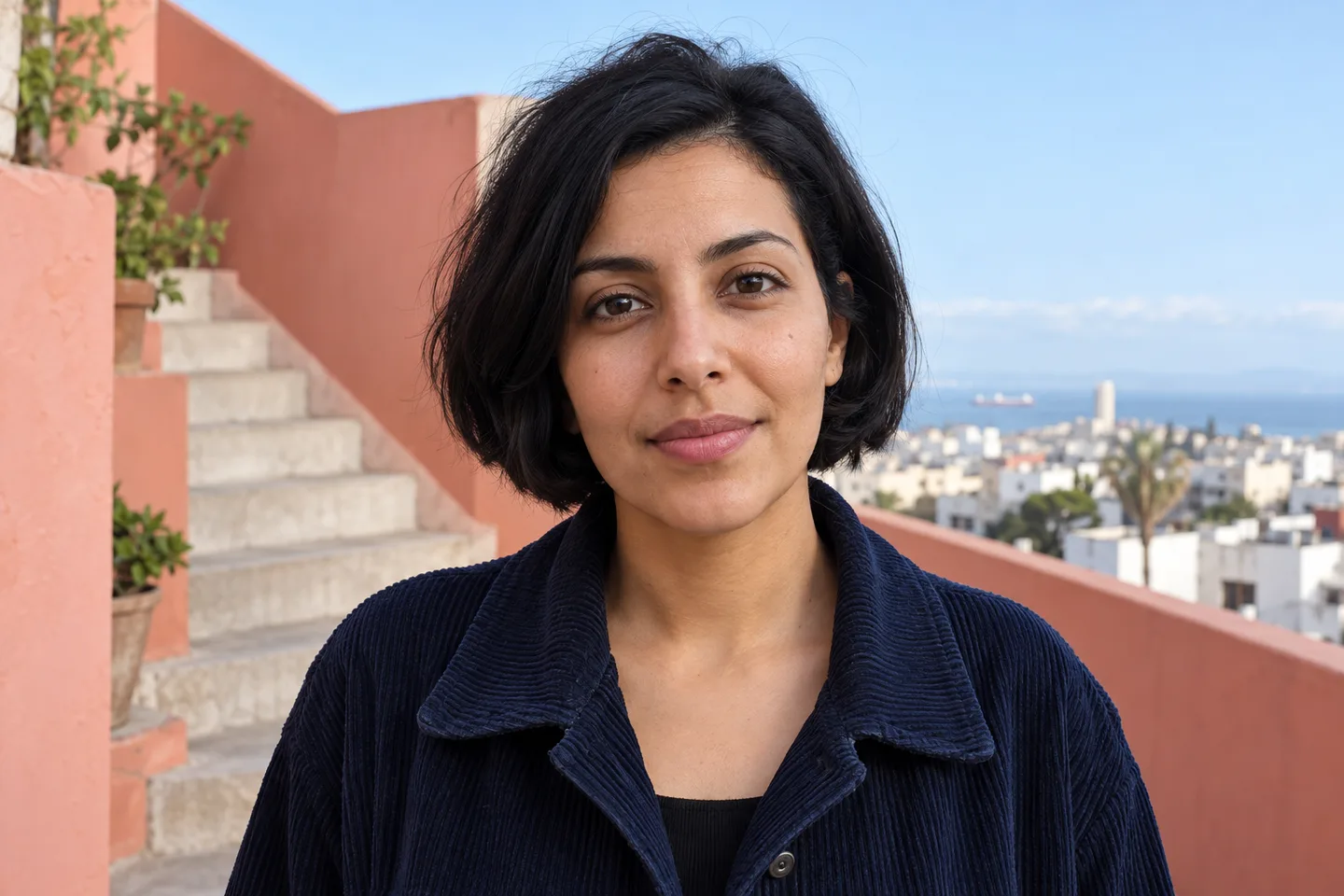
Eyebrow shape describes the path of the brow, including its curve or arch; width describes the depth of the hair-covered strip, while density concerns how much hair appears within it. Separate those observations before choosing a grooming change. A broad brow can still have a gentle curve, and a narrow brow can look dark and well covered. None of these combinations supplies a universal ideal or a verdict about your face.
The practical question is often smaller than which brow type am I: are you noticing an outline, some long hairs, or lighter coverage near the tail? This app-assisted guide helps you put that question into words before reading a broader MogRise analysis. It is not a promise that an app counts follicles, measures a perfect arch or prescribes a new shape. The outcome can be a temporary brushing choice, a clear request at an ordinary appointment, or a decision to leave things alone.
Eyebrow shape is not a synonym for thickness
The FISWG morphological feature list distinguishes eyebrow shape, size, position, density and hair characteristics. It is a forensic vocabulary, not a beauty guide. We use only that descriptive distinction: a word about contour should not silently become a claim about hair coverage or attractiveness.
Consider two imaginary brows that follow the same shallow curve. One occupies a wider strip above the eye; the other is narrower but has dark hairs close together. Calling both thick hides the difference. When you explain a preference, specify what you mean: I like the present curve but want the hairs to sit more tidily, for example. That request does not ask anyone to move the outline. Conversely, wanting a more sharply drawn edge is an outline preference, not evidence that your hair is insufficient. Clear words reduce the chance of choosing a treatment for a question you never meant to ask.
Follow the contour before naming an arch
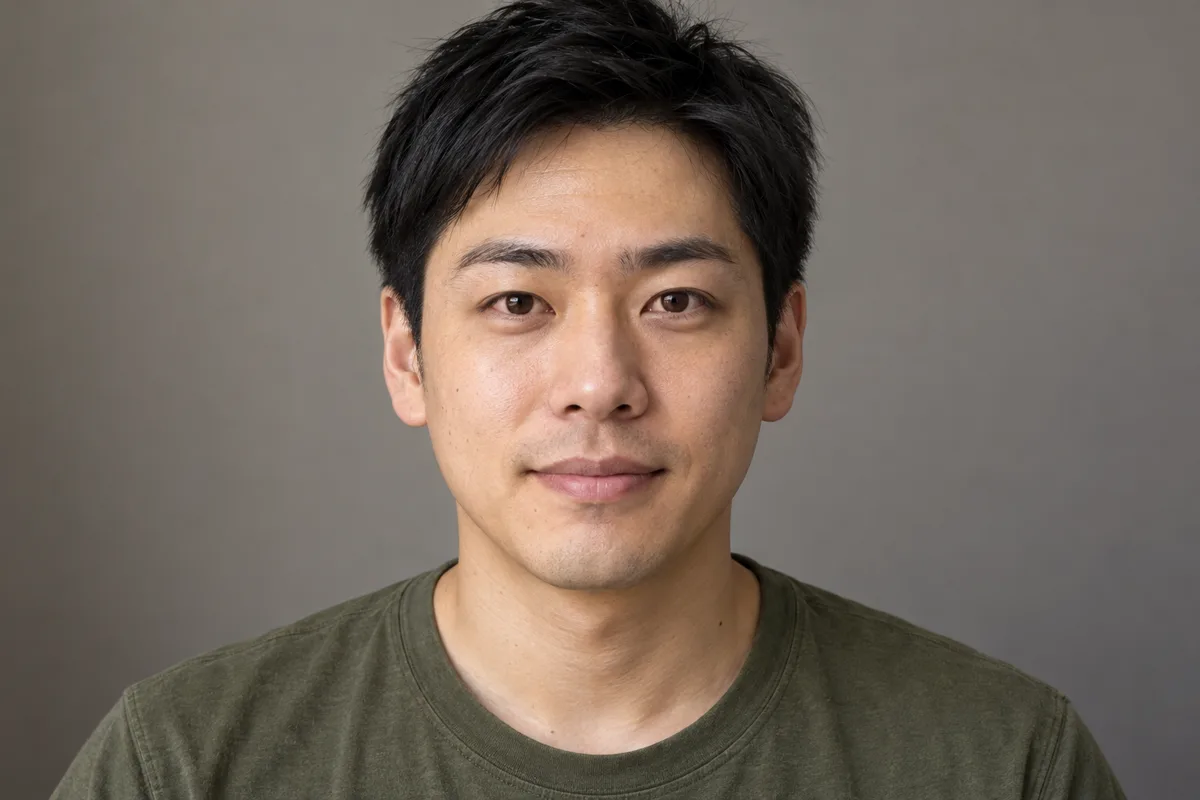
Look at the brow from its inner beginning to its outer tail. Describe the broad path: mostly straight, gently curved, or rising toward a more noticeable change of direction. There is no need to find a single peak pixel or force the brow into a named template. A soft transition can be a perfectly adequate description. Check that you are following the hair-covered outline rather than a highlight on the forehead or the shadow above the eyelid. Those neighboring boundaries are not interchangeable.
Then ask whether the word arch refers to the upper edge, the lower edge or the whole strip in your mind. The two edges need not run like parallel lines. Someone can have a fuller inner portion and a narrower outer portion without the contour becoming a different personal category. Write one sentence that another person could understand without a diagram. Avoid labels that attach a personality, mood or gender expectation to the curve. A naturally angled brow is not proof of anger, and a straighter one is not a guarantee of any particular impression.
Distinguish a wide strip from dense coverage
Width here means the visible depth from the lower hair boundary to the upper one, not the distance from the start to the tail. Density means apparent hair coverage within that strip. Neither can be established precisely from an ordinary portrait. Pale hair, overlapping hairs and the background skin can change how filled the area appears. Use relative everyday language, such as lighter coverage at the outer end, rather than inventing a number of hairs per square centimeter from a screen.
Hair length is another separate issue. A few long hairs may extend beyond an otherwise familiar outline. That does not show that the entire brow has become wider or denser. Likewise, brushing hairs upward may make the occupied strip look taller without creating new hair. For an ordinary grooming decision, this distinction matters more than winning an argument over whether your brows count as thick. If the question really is about tidying existing hairs, the eyebrow grooming guide covers that different task. Do not turn a vocabulary exercise into an instruction to remove hair.
Use one relaxed reference, not a surprised expression
The FISWG facial-image capture guide discusses neutral expression, even light and unobstructed features for identification images. That is not evidence for a beauty score. Its limited relevance here is straightforward: give yourself a visible, relaxed reference rather than analyzing an obstruction or a pose.
Take a comfortable whole-face view with the camera near eye height and diffuse daylight across the face. Keep your forehead uncovered if convenient. Let the brows settle instead of raising them to open the eyes or holding a concentrated frown. If you notice yourself posing, pause before taking the reference. One usable picture is enough for this descriptive task; a profile can provide broader context if you already need it for an analysis. Keep the original rather than using a filter that redraws hairs. Do not enlarge an isolated eye crop until ordinary gaps between hairs seem like a new problem. Return to the full face whenever the question becomes less clear.

Read the broader analysis without inventing a brow metric
If you use MogRise, begin with the explained front-and-profile review and the everyday decision you brought to it. The how-it-works page describes the wider workflow. Place your own brow note beside that context: I am considering hair direction, not trying to correct my entire eye area. A general harmony or FaceScore result should not be relabeled as a validated eyebrow-density reading. This guide makes no claim that MogRise classifies your arch, counts brow hairs or calculates a required brow shape.
MogRise is free to download with in-app purchases, not an offer of unlimited free analysis. You do not need to buy another result to understand the difference between a contour and coverage. If a result leaves you uncertain, preserve that uncertainty rather than filling the gap with a precise-sounding measurement. A useful plan might simply say: ask a groomer how to keep the existing outline while managing a few long hairs. That is an illustrative personal decision, not a reported app outcome or a recommendation that everybody needs a brow appointment.
Test hair direction before asking for a new outline
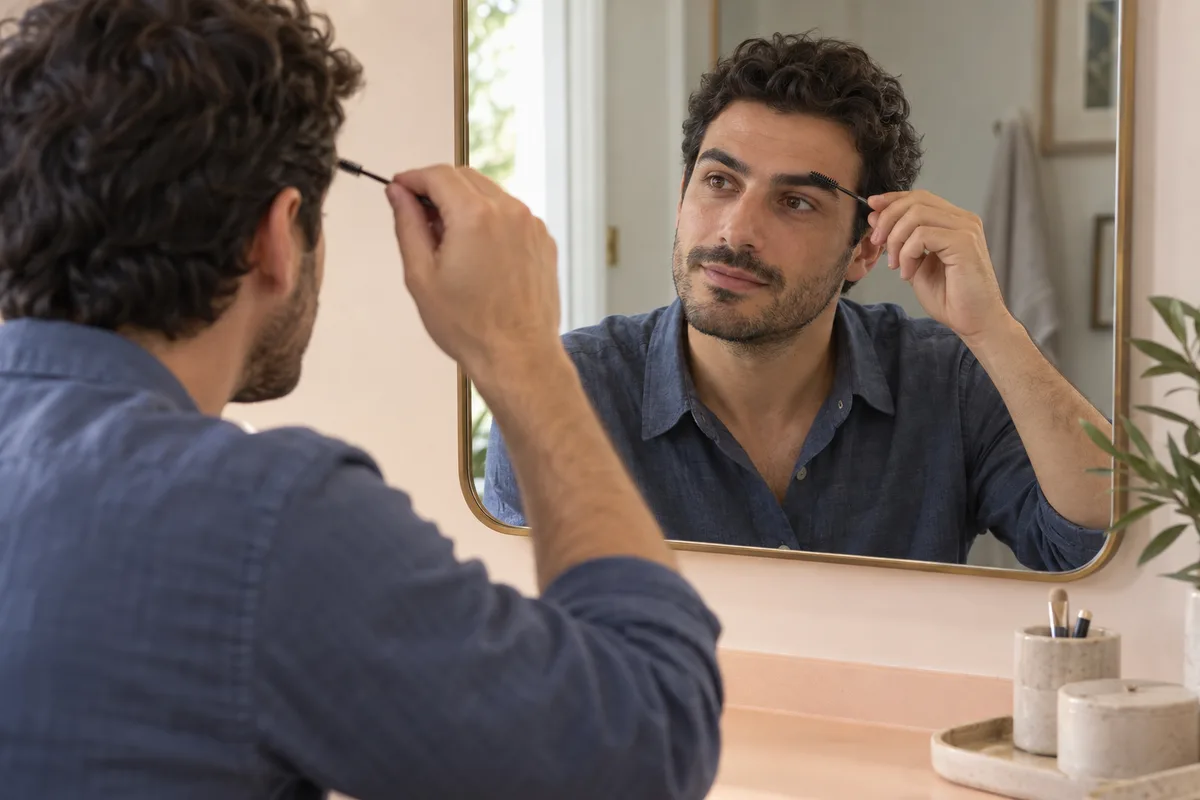
For a purely cosmetic preference, a clean soft spoolie can show how the existing hairs sit when gently guided along their natural direction. Use light contact and stop if the area feels irritated. You are arranging hair, not training the underlying contour into a new position. Avoid making one side a deliberately dramatic trial while treating the other as the correct side. The question is whether a small, comfortable arrangement serves your normal routine, not whether you can produce a striking comparison photograph.
Keep scissors, tweezers, dyes and growth products out of this first descriptive check. Each introduces another decision with different limits, and none is needed to identify the feature you noticed. Brushing cannot prove hair growth, restore lost hairs or change bone structure. If you like the original arrangement better, leave it there. If no temporary option addresses what bothered you, that does not automatically justify a stronger intervention. It may mean that the supposed problem was an unfamiliar close-up, a passing trend or a description that did not fit in the first place.
Give a professional a request with clear boundaries
When you want ordinary grooming help, describe what should stay as clearly as what you might change. For example: keep the natural curve and the full inner part; I only want to discuss hairs that do not sit comfortably. Ask the professional to explain the proposed approach before proceeding. A reference picture can communicate a softer edge or a more brushed finish, but another person's hair coverage is not a pattern that your brows must reproduce. You can decline a proposed reshaping when it does not match your preference.
Include maintenance in the conversation. A highly defined finish may require effort you do not want in your mornings. Ask what the brows will look like without styling, not just at the end of an appointment. Avoid a vague request to make them perfect, symmetrical or more attractive. Those words conceal several different choices and invite someone else to choose your priorities. A satisfactory consultation can end with no change. Being specific about limits is useful even when you ultimately keep the same brow shape you arrived with.
Keep a descriptive note, then close the question
A useful note has three parts: what you saw, what remains uncertain, and what you chose. For instance: the outer hairs look lighter in this reference; I cannot estimate density from it; I will keep the outline and stop checking. That is more honest than writing sparse tail as a confirmed defect. Do not use daily enlarged photographs to audit every hair. If the exercise starts taking attention away from ordinary life, step back from appearance checking and seek support if it feels difficult to stop.
This article does not explain sudden hair loss, persistent irritation or another new health concern. Bring those questions to a qualified healthcare professional rather than asking a face score or grooming template to diagnose them. For an ordinary style preference, finish when you can name the relevant feature and a reasonable next step. Your brows do not have to match each other pixel for pixel or conform to a changing fashion. A clearer distinction between shape, width and coverage is useful precisely because it lets a small decision remain small.