
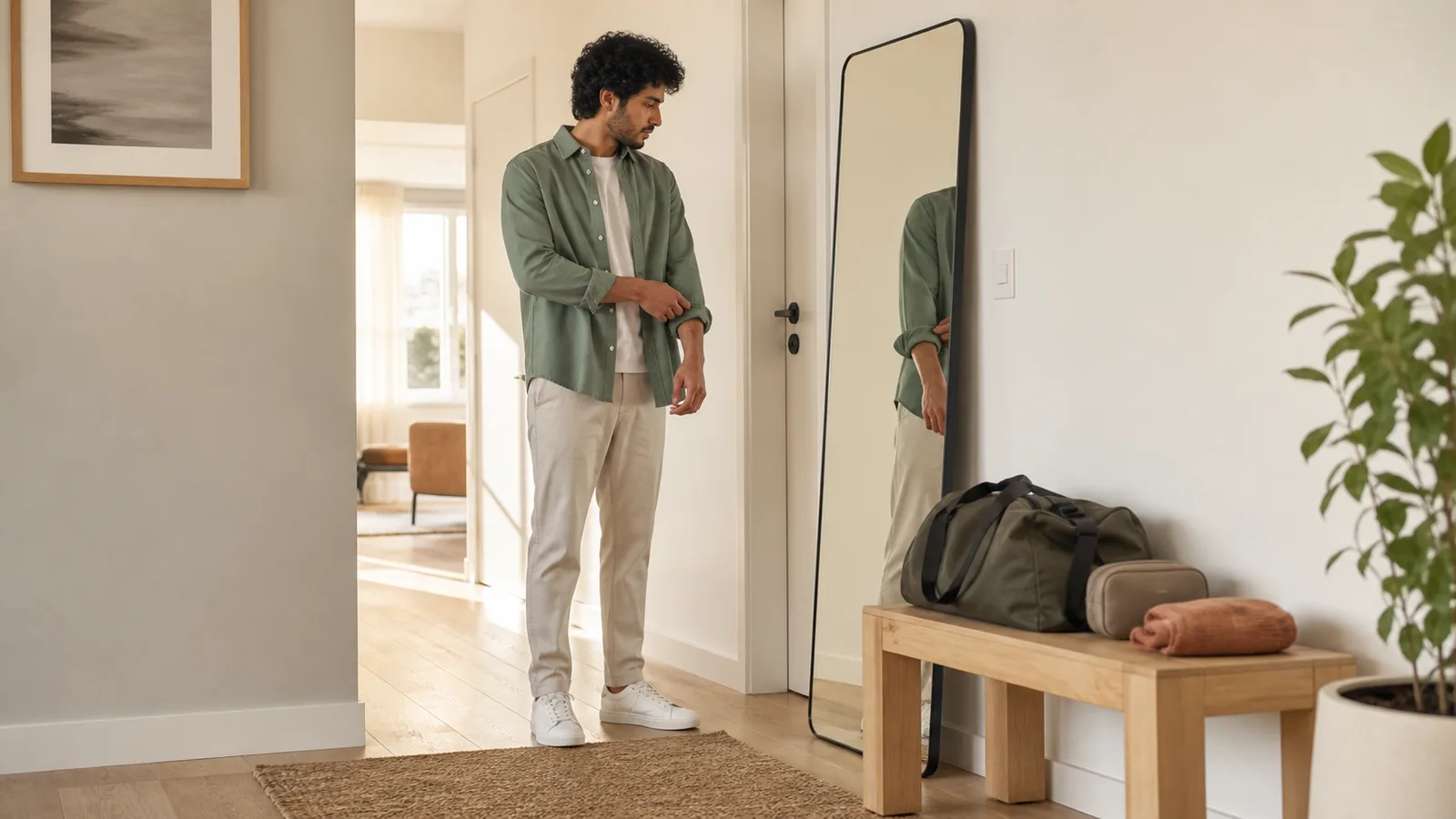
A 30 day glow up for men works best as a focused experiment, not a race to rebuild your face, body and wardrobe at once. Take consistent front and profile photos, identify three controllable priorities, attach each one to a small repeatable action and review the same evidence once a week. Thirty days can sharpen grooming, presentation and consistency; it cannot promise a new bone structure, perfect skin or somebody else's appearance.
This is an app-assisted plan, but the app is not the work. MogRise can help you capture a clear baseline, understand an image-based analysis and turn a long list into a few priorities. You still decide what fits your time, budget, skin, health and personal style. The month succeeds when the routine becomes easier to repeat and your presentation feels more intentional, even if no single score moves.
A 30 day glow up for men needs a narrow finish line
Start by defining what day thirty should make easier. Useful outcomes sound like: maintain a simple morning routine, find a haircut and facial-hair shape you can reproduce, assemble three outfits that fit cleanly, or take progress photos under stable conditions. Vague goals such as becoming attractive or fixing everything offer no stopping rule, so every mirror check creates another task.
Separate presentation from anatomy. Hair shape, beard boundaries, skin comfort, clothing fit, posture, sleep regularity and photo conditions are adjustable. Facial proportions, height and skeletal structure are not thirty-day projects. Treating that boundary honestly protects you from unsafe shortcuts and directs effort toward details people actually see together: grooming, expression, silhouette, color and how comfortably you carry them.
Choose one visible decision, one routine decision and one consistency decision. For example, refine your haircut silhouette, keep a cleanser-moisturizer-sunscreen routine, and prepare tomorrow's clothes before bed. Those three moves support one another without filling every hour. If a step requires pain, crash dieting, unprescribed medication or a large purchase made under pressure, it does not belong in this plan.
Create a fair baseline before changing the routine
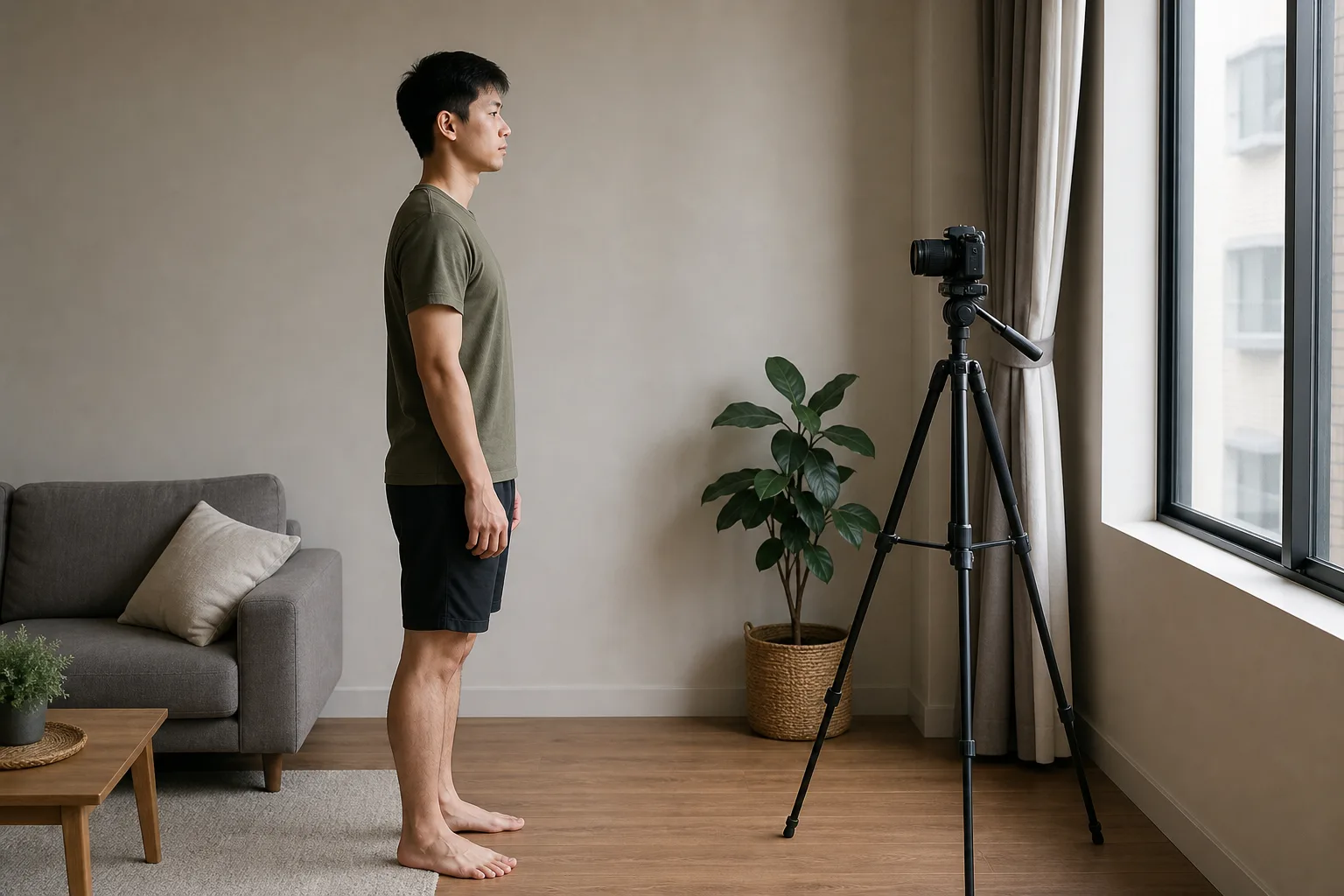
Use the same quiet location for a front photo and each side profile. Stand an arm's length or farther from the camera, place it around face height, use soft window light, keep the lens clean and relax your expression. Avoid portrait filters, a wide-angle selfie held close to the nose, overhead spotlights and a flexed pose that you will not reproduce later. Save the distance and time of day.
MogRise is most useful here as a structured starting point. Clear front and profile photographs can support an explained image-based analysis across visible categories, while the written observations help you distinguish a broad pattern from one distracting detail. The result is directional planning context, not an objective rating of your worth, a diagnosis or proof of how every person sees you.
Read the analysis once, then translate it into questions you can act on. Does the lower face look cleaner with a different beard boundary? Does the hair add useful width or height? Is skin presentation being dominated by harsh light rather than the routine? The overview of how MogRise turns clear photos into a plan explains the workflow without asking you to chase a scan every morning.
Turn the analysis into exactly three priorities
Make a candidate list, then score each item by control, visibility and repeatability. A priority is strong when you can change it safely, it affects the full presentation, and you can maintain it on an ordinary Tuesday. Cleaning up an uneven neckline may score higher than buying another jacket. Finding a dependable hairstyle may matter more than experimenting with five skin products in one week.
Use three different time horizons. Pick one immediate presentation change, such as fitting your shirt sleeves or trimming stray brow hairs. Add one routine that needs repetition, such as gentle skin care or regular movement. Finish with one observation task, such as comparing beard lengths after two weeks. This mix provides an early win without pretending every result should be instant.
MogRise can organize those choices into a small plan and give you a consistent reference when enthusiasm starts producing extra ideas. Keep the explanation beside each task: what you are changing, why it is controllable, what evidence you will review and when. A number without that context is easy to obsess over; a defined experiment is easy to continue, revise or stop.
Days 1–7: remove friction and protect the basics
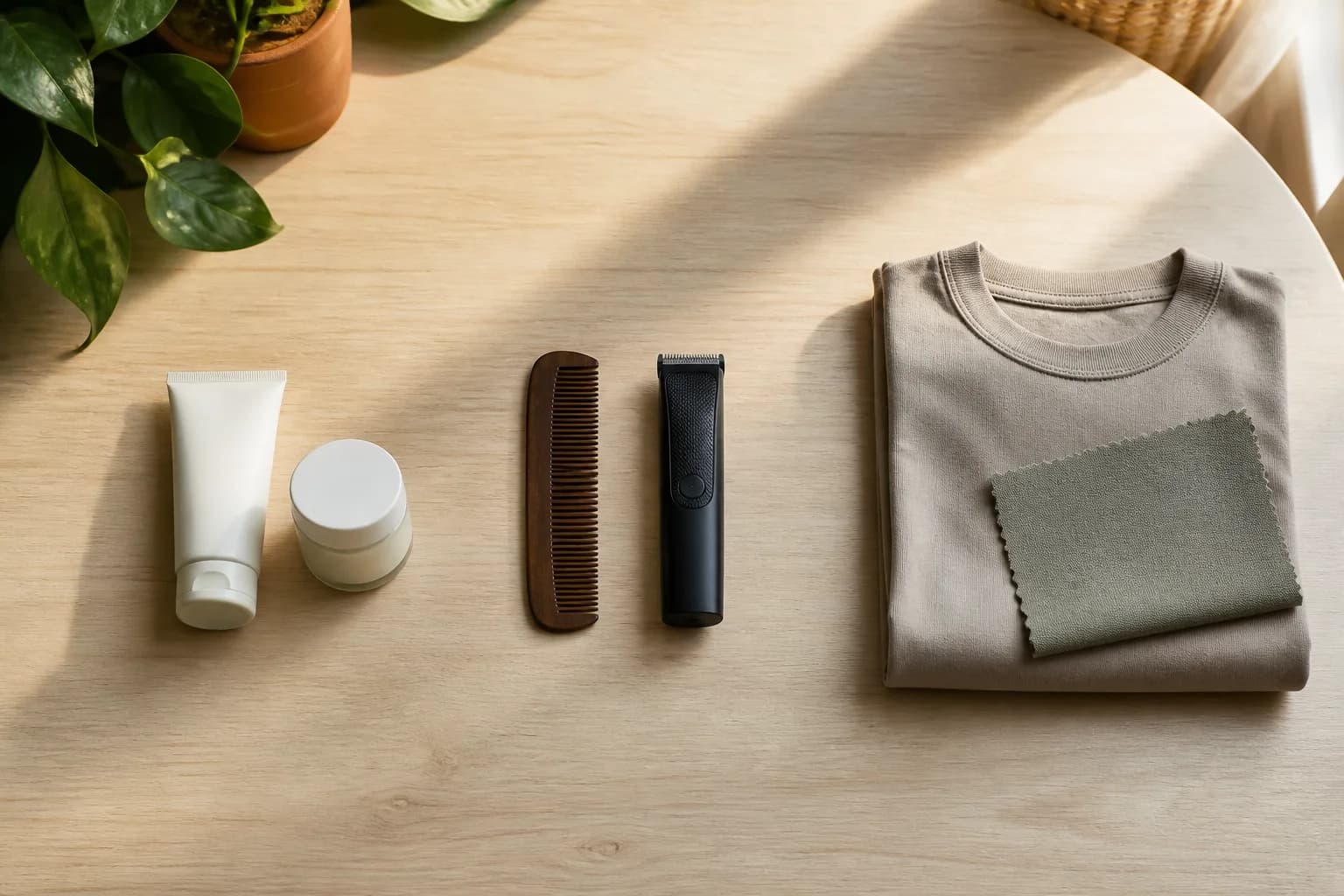
The first week is preparation, not transformation. Put the products you already tolerate where you use them, clean grooming tools, choose a regular laundry day and identify two outfits that fit without constant adjustment. Set a realistic bedtime cue and a movement slot that fits your current ability. Reduce the number of decisions required before adding intensity or new products.
For skin, begin with the smallest routine that meets your needs: mild cleansing, moisturizer when useful and sun protection for exposed skin. The American Academy of Dermatology's skin-care guidance for men emphasizes matching products to skin type, washing gently with lukewarm water, moisturizing and using broad-spectrum SPF 30 or higher outdoors. Introduce no pile of strong active ingredients just to make the month feel ambitious.
If you need a practical order, follow the simple men's skincare routine and note comfort rather than inspecting pores under a magnifying mirror. Stop a product that persistently stings or irritates and seek qualified care for a concerning skin problem. A glow-up plan can improve daily presentation, but it should never turn a medical concern into a cosmetic experiment.
Days 8–14: build movement, posture and clothing fit
Week two connects how you feel with how clothes and posture read. Choose movement appropriate to your health and current fitness rather than using exercise as punishment. The CDC's adult activity overview recommends at least 150 minutes of moderate activity per week plus muscle-strengthening work on two days, while also noting that some activity is better than none and can be divided into smaller blocks.
Translate that guidance into a schedule you can actually keep: a brisk walk after lunch, two familiar strength sessions, or shorter bouts across the week. If you are inactive, injured or managing a condition, start conservatively and get professional guidance where needed. Thirty days should establish a repeatable pattern; it is not a deadline for aggressive weight loss or an extreme physique change.
Use clothing as immediate feedback. Check shoulder seams, sleeve and trouser length, waist comfort and whether shoes suit the formality of the outfit. Then notice posture without forcing a military pose: feet stable, breathing easy, shoulders relaxed and head balanced over the torso. The detailed LooksMax posture guide can help you refine that alignment without claiming that posture changes facial anatomy.

Days 15–21: run one grooming or style experiment
By week three the baseline routine should feel less novel. Now test one visible option rather than replacing everything. You might compare clean stubble with a short beard, ask a barber to preserve more width at the temples, try a different part, or wear the same well-fitting outfit in two color combinations. Keep the experiment reversible and judge the whole frame, not one isolated feature.
Set the test before looking for approval: what changes, what stays constant and what would make you keep it? For beard length, keep hair, lighting and clothes stable. For clothing color, keep fit and camera conditions stable. For a haircut, allow it to settle before deciding from a single close selfie. This prevents mood, novelty and camera distortion from masquerading as evidence.
Days 22–28: make consistency easier than skipping
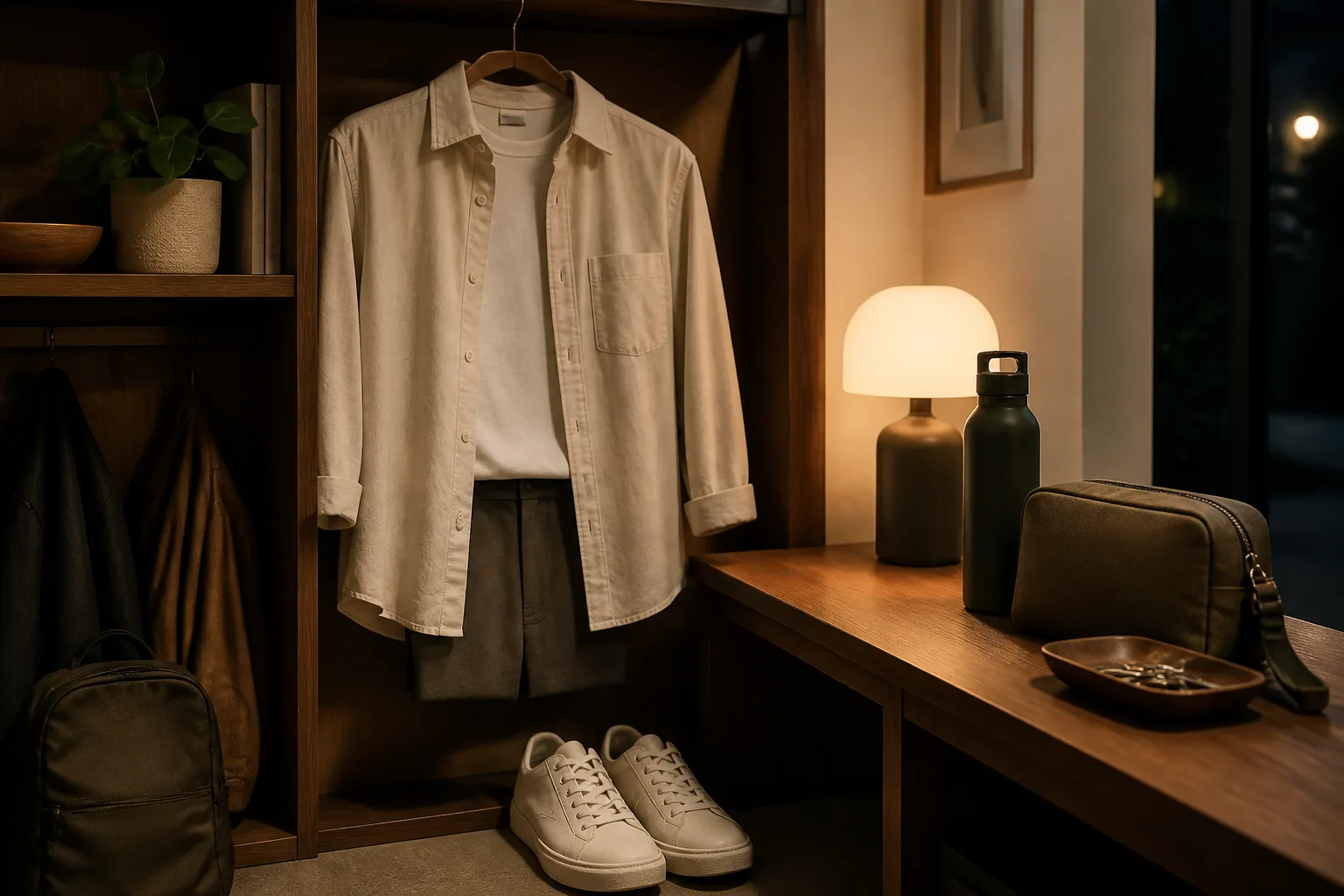
The fourth week is about environment design. Put the morning items together, hang tomorrow's outfit, charge the trimmer before it is needed and keep workout clothes visible. Link each action to an existing cue: moisturize after washing, prepare clothes after dinner, walk after a regular meeting. A routine that depends on fresh motivation every day is still too complicated.
Track completion with the smallest useful record. Three checks per day are enough: routine, movement and preparation. Add one short note only when something changes, such as irritation, a missed session or an outfit that felt awkward. Do not turn the tracker into another appearance score. Its job is to reveal friction and consistency, not to grade your face or punish an imperfect day.
If you miss a day, resume at the next cue instead of restarting the whole month. Remove or shrink the action that repeatedly fails. A ten-minute walk may be more valuable than a planned hour that never happens; one dependable moisturizer beats a complicated shelf used twice. The strongest glow-up checklist becomes shorter as you learn what produces useful, sustainable change.
Days 29–30: compare fairly and choose the next cycle
Repeat the baseline photos in the same place, at the same distance and with similar light, lens, posture and expression. Review the images at normal size before zooming. Compare overall grooming, skin presentation, hair shape, clothing fit and relaxed posture. If the setup changed, label the comparison uncertain rather than inventing a dramatic conclusion from a flattering angle.
Then review behavior evidence. Which action happened most often? Which one removed stress from the morning? Which experiment looked good but demanded too much maintenance? Use MogRise to revisit the explained priorities and matched photos, but treat any score movement cautiously because lighting, lens, distance, expression and temporary puffiness can affect image-based output. Written observations and repeatability matter more than one number.
Keep one successful priority, revise one and retire one. The what to optimize guide helps separate controllable presentation choices from anatomy when you choose the next focus. Your second month should not automatically become harder; it should become more precise. A credible thirty-day result is a cleaner system, a few visible decisions you trust and a routine you can carry forward without constant scanning.
- Repeat the original photo setup
- Review the full presentation at normal size
- Compare habits as well as images
- Keep one priority, revise one and retire one
- Build the next month around what was sustainable