
Is AI face rating accurate? Not as an objective measure of a person's attractiveness. A tool may describe features visible in one photograph or produce a repeatable number under its own rules, but the image, the model's assumptions and human preferences all shape the result. The useful question is narrower: can an explained observation help you make one practical, reversible grooming or style choice? If the answer is no, you do not need to act on the score.
Suppose you are deciding whether a new haircut, glasses frame or collar suits the face you see every day. A rating looks decisive because it is numerical, yet the number does not tell you which part came from camera distance, lighting or a design choice in the model. This guide separates what can be checked from what remains opinion. It is not another account of why a FaceScore changes between two uploads; the focus here is what accuracy could mean in the first place and how to leave the screen with a sensible decision.
Is AI face rating accurate for the question you actually have?
Accuracy requires a defined target. A camera can record pixels, and software can identify visible landmarks or describe an outline, subject to image quality. An attractiveness number needs a different target: whose judgments, on which photographs, under which conditions? Without that information, a number cannot be audited as a universal truth. Even when a system predicts a set of human ratings reasonably well, it is predicting that set's responses to photographs, not measuring someone's worth, health, relationships or how they appear in motion. Ask the tool to answer a concrete style question before deciding whether its output is useful.
Imagine that a report calls a jaw contour less defined than another part of a photo. The observation might prompt a check of posture, beard outline, collar or light. It does not prove that bone structure is deficient, that an intervention is needed, or that strangers will agree with the implied ranking. A better first step is to name the decision you already faced: keep a certain frame, trim a beard more conservatively, or try a different hairstyle. If no ordinary choice follows, close the report. The number has not earned more of your attention simply by looking precise.
A stable score is not the same as a true one
If you submit the same photograph twice and receive the same result, you have learned something about that workflow's consistency. You have not established that its ranking reflects every person's taste or your appearance in daily life. Reliability and validity are different questions. A measuring tape can repeat the same length; a proprietary beauty scale has no comparable universal unit. Results from different apps may also use different scales or label the same features differently. Do not translate one app's percentile into another app's score, and do not treat either as a medical or psychological assessment.
The reverse also matters. If the output shifts when you change only the image, it may be reacting to the image as much as to you. Before blaming a feature, check whether the phone moved closer, the light became harsher, the face turned, or an expression changed. Our earlier guide to changing FaceScores walks through a controlled-photo comparison; here the broader lesson is to avoid calling any one output accurate without a defensible target. A useful app should explain observations in language you can inspect, allow uncertainty and leave room for your own priorities. A black-box number alone does none of that.
Photographs can change the input before AI sees it
Short selfie distances can alter apparent facial proportions. In a published comparison of smartphone and camera portraits, researchers found measurable midface distortion at close distances in their study setup. That finding does not predict how every rating app will respond, but it is a strong reason not to interpret a close selfie as a transparent map of anatomy. A wide-angle lens, camera height and a tilted chin can make a nose, forehead or lower face look different from what another person sees at normal conversation distance. Filters and automatic enhancement add another layer of change.
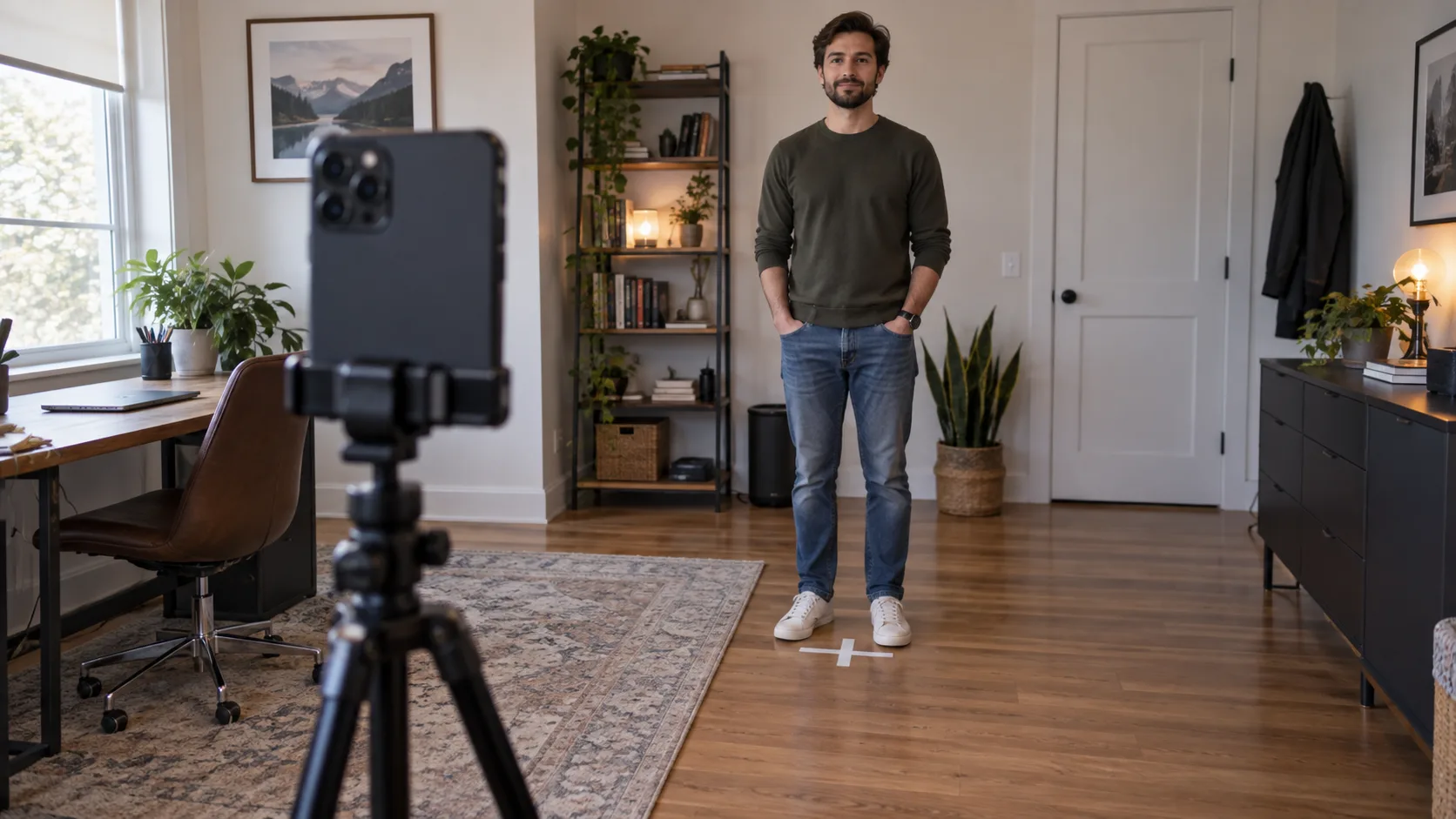
For one baseline, put the phone at eye level on a support, step back, use ordinary broad light and keep a relaxed expression. A friend can help with framing; expensive equipment is unnecessary. Do not spend an hour constructing a supposedly perfect laboratory image. The aim is to remove obvious photographic noise before asking a style question. If an apparent concern disappears when the camera moves back, change the photograph rather than your face. If a feature remains visible, it still does not become a defect; it may simply be a relevant detail for a haircut, glasses or beard decision you were already considering.

Human preferences make a single beauty target impossible
Research into face preferences finds both shared patterns and substantial differences between individuals. One twin-design study reported that unique experience was an important source of individual preferences. This is not a claim that every feature is equally preferred, or that all judgments are random. It means a single number cannot stand in for every viewer, culture, situation and relationship. An algorithm trained on rated photographs inherits the choices behind those photographs: who was included, how images were taken, who rated them and what question raters were asked. The score is an output of those choices, not a discovery of a person's fixed value.
Read an explained report as a list of hypotheses
Begin with the part of the report that describes visible conditions rather than the overall rating. Does it identify a haircut frame, a beard edge, a lighting issue or a glasses fit question you can verify in a mirror? Separate observations from interpretation. 'The fringe hides the forehead in this photograph' is checkable. 'Your face needs a different forehead' is not an acceptable style instruction. Write down one or two observations in plain language, then ask whether they still matter when the phone is away. Ignore labels that ask you to rank yourself against strangers or imply that ordinary asymmetry is a failure.
MogRise can help organize clear front and profile photographs into an explained analysis and a small set of priorities when you want support for that decision. Start from a real question, not an urge to raise a score. The app cannot validate an objective beauty scale, diagnose a medical issue or guarantee that a grooming choice will improve social outcomes. Compare a suggestion with what you see in ordinary light and what you can comfortably maintain. If the suggestion only creates worry, discard it. For a broader account of what different camera views contribute, the front-versus-profile guide explains why neither view supplies the whole face.
Choose one reversible experiment, not a new identity
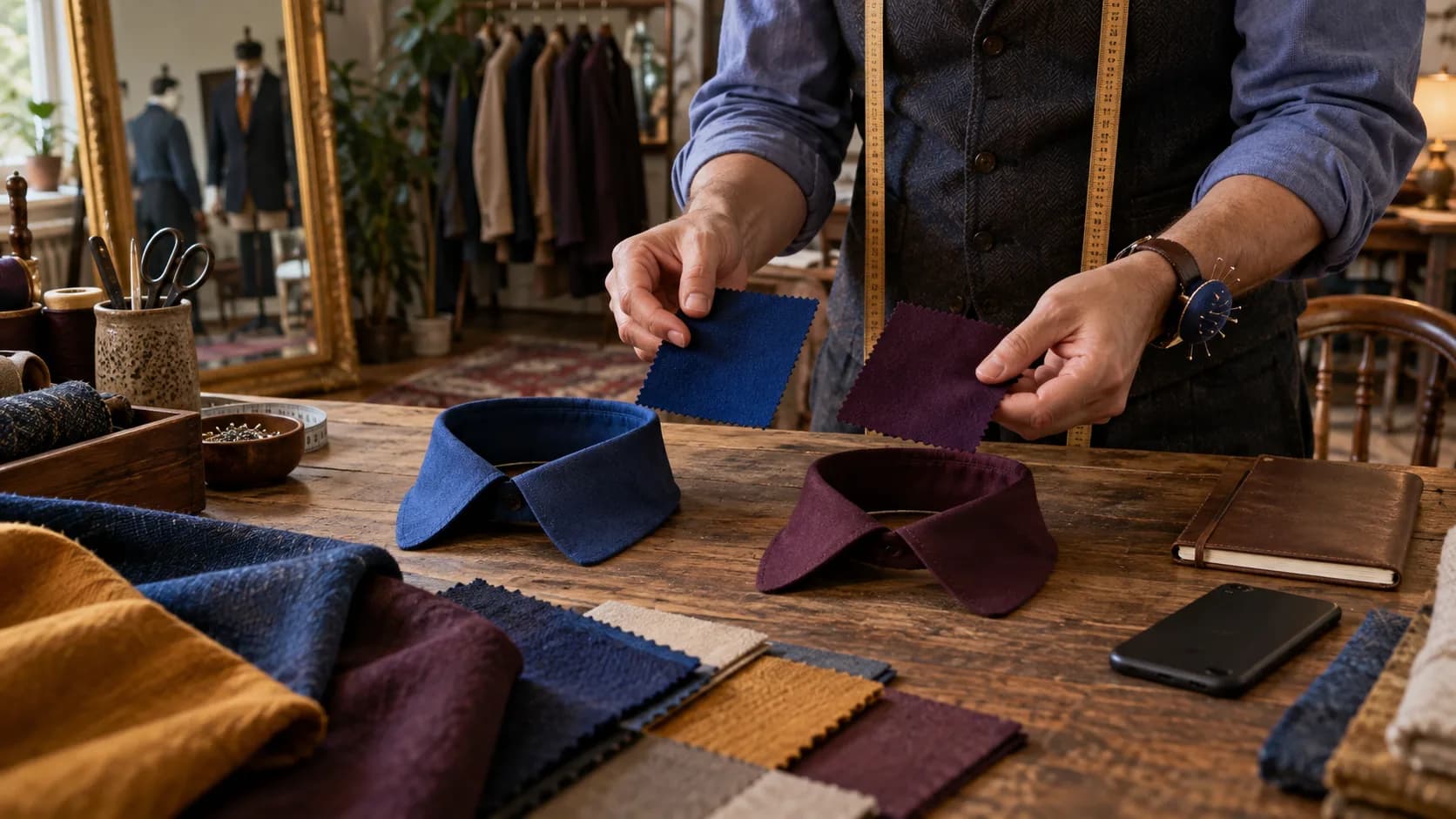
Suppose the actionable observation is that your current glasses sit low on the nose. Try a different bridge fit with an optician; comfort and clear vision remain the first tests. If the concern is that a haircut hides more of the face than you prefer, try a different parting before booking a cut. If facial hair creates a heavy edge in the photograph, ask a barber about a small trim rather than shaving into an irreversible high line. These experiments are modest and easy to evaluate. They do not require a promise that a rating will increase, because the point is everyday suitability.
Set a stopping rule before the experiment. Wear the option in ordinary places, check it at normal distance once, and ask whether it fits the time and effort you can maintain. A change that scores better in a posed portrait but feels uncomfortable or demands constant upkeep may be worse for you. Do not compare five variables at once; you would not know which one mattered. Our appearance-priority guide explores hair, beard and skin as a broader decision. For this accuracy question, the narrower standard is enough: did the report suggest a checkable, low-risk option that you genuinely wanted to try?
Know when the tool is outside its scope
A face rating is not a diagnosis. Pain, sudden swelling, functional bite problems, breathing concerns or a rapidly changing skin issue belong with an appropriate professional, not with an attractiveness model. No score can establish the need for surgery, medication, supplements, extreme exercise or restrictive eating. Similarly, an app should not be used to rate a child or to turn another person's face into an unsolicited judgment. When a feature is ordinary variation, there may be nothing to solve. The right outcome can be deciding to leave it alone.
Notice also how the workflow affects your attention. If you repeatedly retake pictures for reassurance, feel worse after each scan, or postpone normal activities until a number improves, stop using the rating as a decision aid. Talk with someone you trust or a qualified professional if appearance worries are taking over your day. A useful product should help close a practical question, not make you dependent on another reading. Limit the session to the decision at hand; keep or delete the pictures according to your privacy preferences and the service's actual terms, rather than assuming every app handles images alike.
The practical accuracy test ends away from the screen
The most useful test is not whether a number feels flattering. Ask four questions: was the photograph ordinary and clear; was the observation explained; can you check it outside the app; and does a low-risk response fit your own preferences? A report that passes those questions may help with a styling decision even though its global attractiveness score has no universal truth value. A report that fails them deserves little authority. This distinction protects you from both false certainty and the opposite mistake of rejecting every visible observation just because a number is subjective.
After one small trial, return to real life. A friend at a cafe will not see your uploaded frame, the app's training set or a hidden decimal. They will see you speaking, moving and wearing a style that either works for you or does not. Keep what is comfortable and reversible; change course if it is not. The result can be a starting note for a haircut, glasses fitting or grooming adjustment, but the final judgment about what to wear belongs to you. That is an honest use of AI face analysis: limited, explained and finished when the decision is made.